Updated: April 15, 2026
A Deep Dive into the History and Evolution of Gundam Models
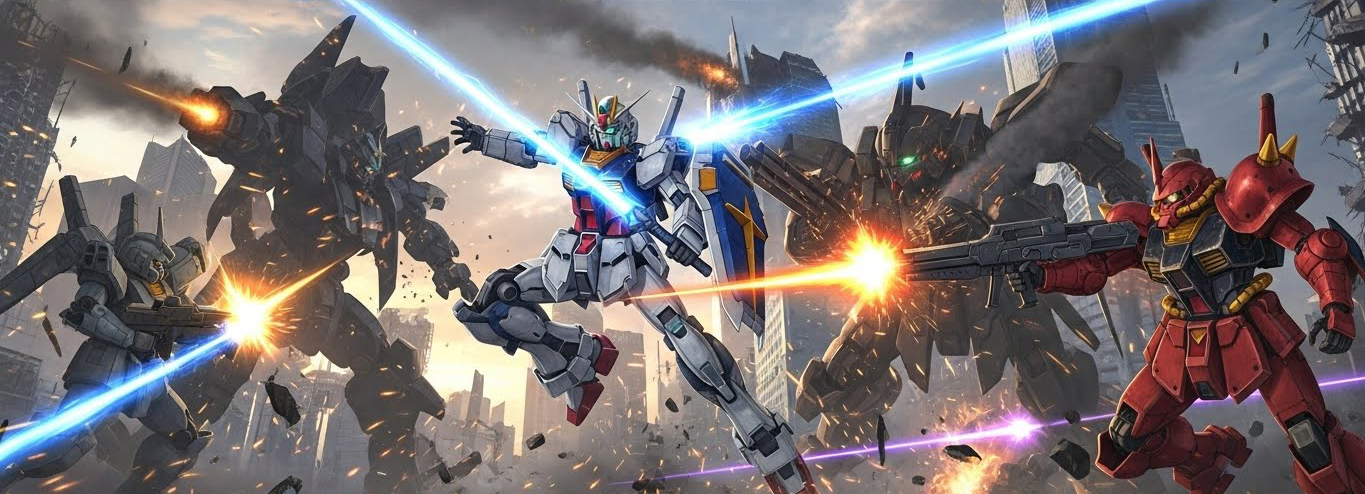
From their inception in the late 1970s, Gundam models have captivated fans worldwide with their intricate designs and cultural significance. These models, often referred to as “Gunpla” (Gundam Plastic Models), have evolved significantly over the decades, fostering a global community of enthusiasts. This blog post delves into the storied history and evolution of Gunpla, examining their origins, technological advancements, and enduring appeal.
The Birth of Gundam Models
The Gundam franchise began with the anime series Mobile Suit Gundam in 1979, created by Yoshiyuki Tomino and Sunrise. The series introduced audiences to a new kind of giant robot narrative, emphasizing realistic mechanical designs and complex storytelling. The popularity of the show spurred the creation of Gundam models, which allowed fans to recreate their favorite mobile suits in physical form.
In 1980, Bandai released the first Gunpla kits, which were simple, unpainted plastic models. These early kits required glue for assembly and were relatively basic compared to today’s standards. Despite their simplicity, they laid the foundation for a hobby that would grow exponentially over the following decades. The initial models were based on mobile suits from the original series, such as the RX-78-2 Gundam, Zaku II, and others.
Technological Advancements in Gunpla
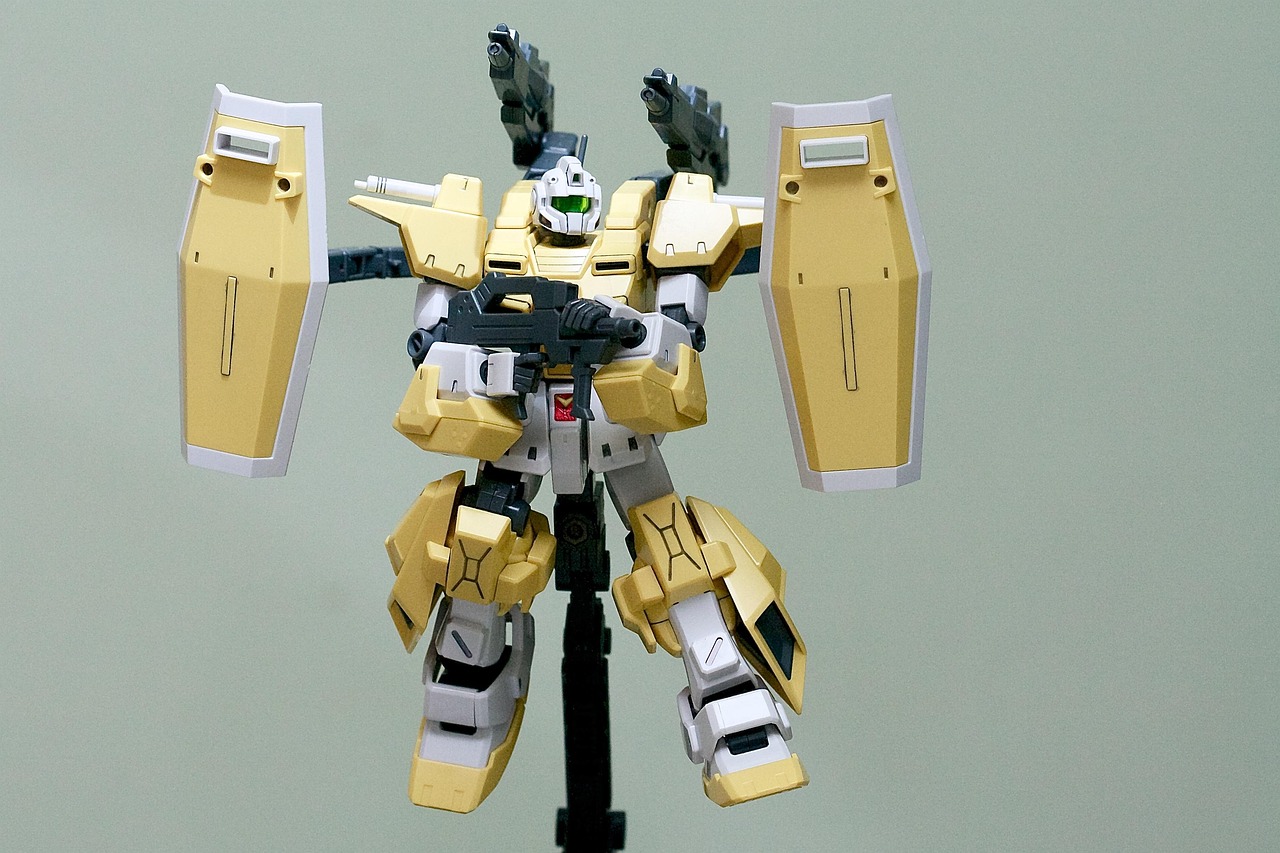
As technology advanced, so did the complexity and quality of Gundam models. The 1980s and 1990s saw significant improvements in model kit design, including the introduction of snap-fit assembly, which eliminated the need for glue. This innovation made Gunpla more accessible, attracting a wider audience.
During this period, Bandai also introduced color molding, allowing models to be more accurate representations of their on-screen counterparts without requiring paint. Additionally, the 1990s saw the emergence of the Master Grade (MG) series, which featured larger scales and more intricate details, setting a new standard for quality and realism in model kits.
To learn more about the technological advancements in model kits, visit the Plastic Model Kit Information Center.
The Expansion of the Gundam Universe
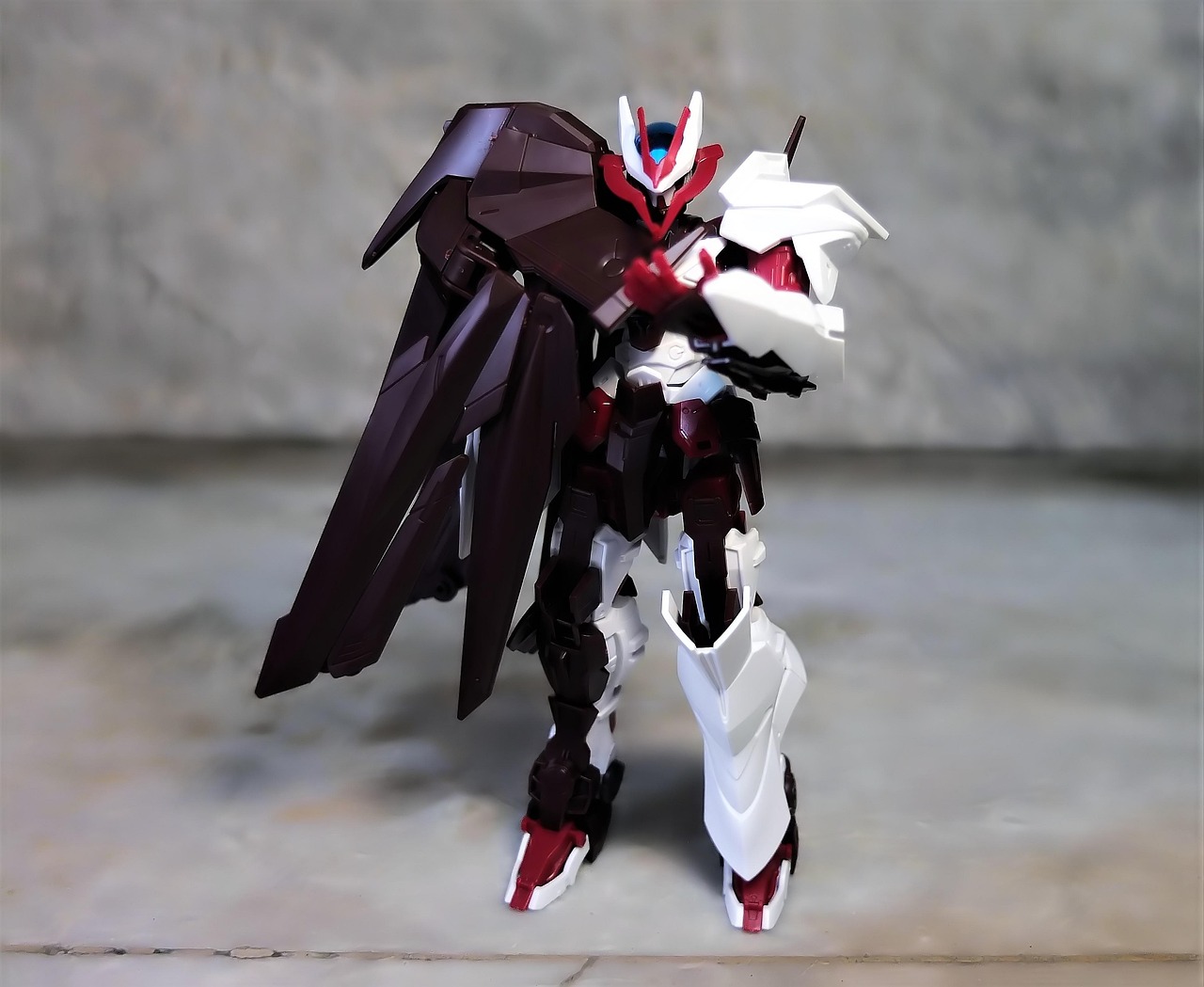
The Gundam franchise expanded its universe with numerous series, each introducing new mobile suits and designs. This expansion provided a wealth of inspiration for new Gunpla kits, allowing Bandai to offer a diverse range of models. From the sleek and futuristic designs of Gundam Wing to the rugged, industrial aesthetics of Iron-Blooded Orphans, each series brought something unique to the table.
Gunpla enthusiasts appreciated the variety, as it allowed them to explore different styles and techniques. The introduction of smaller scales, such as the High Grade (HG) series, further broadened the hobby’s appeal by offering more affordable and space-friendly options. The continuous expansion of the Gundam universe has ensured that there’s always something new and exciting for fans to build.
The Rise of Customization and Competitions
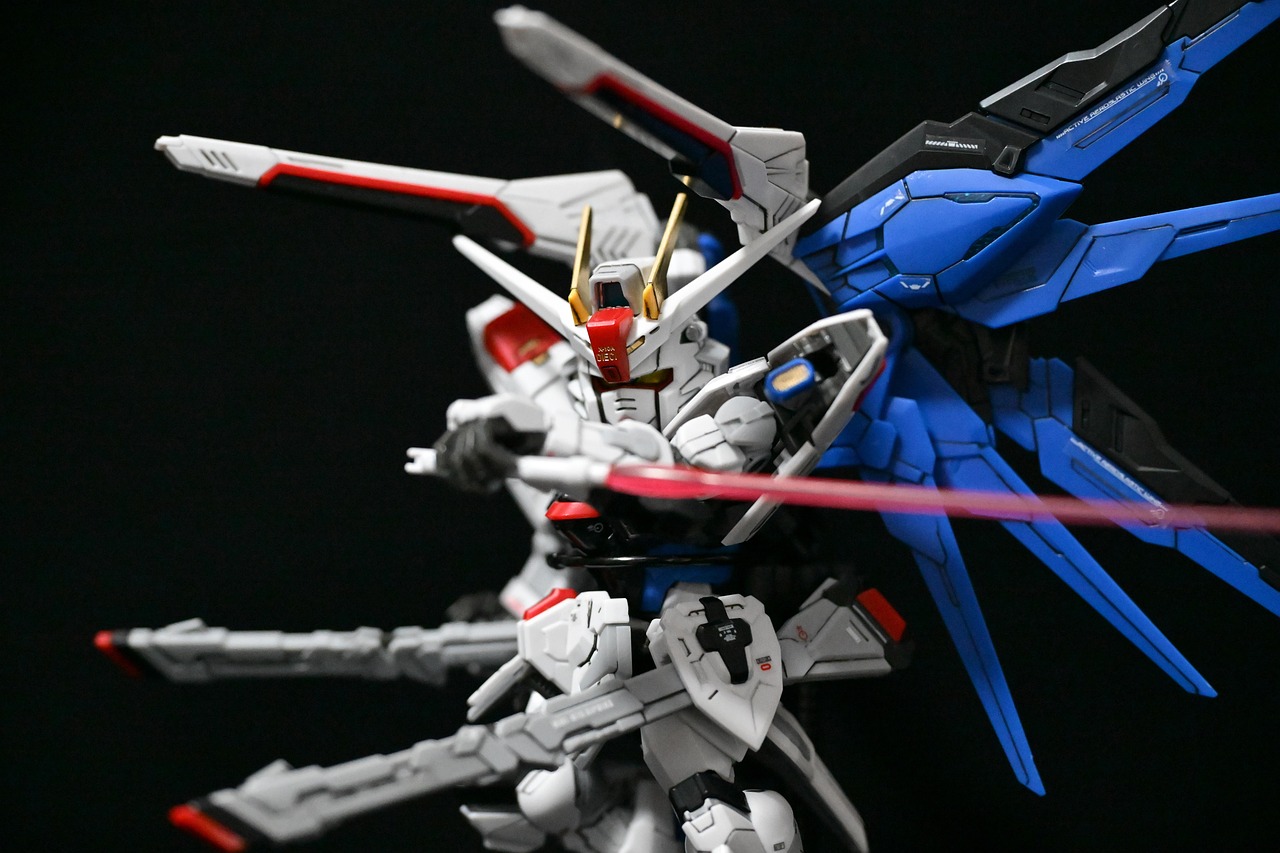
As the Gunpla community grew, so did the creativity and skill of its members. Builders began customizing their models, using paint, decals, and other materials to create unique interpretations of their favorite mobile suits. This aspect of the hobby became a significant draw for many, offering an artistic outlet and a sense of personal achievement.
Gunpla competitions, such as the Gunpla Builders World Cup (GBWC), have become popular platforms for showcasing these custom creations. These events allow builders to compete at local, national, and international levels, pushing the boundaries of what can be achieved with plastic models. The community’s passion and dedication have elevated Gunpla to an art form, inspiring new generations of builders.
For more information on Gunpla competitions, visit the Gunpla Builders World Cup website.
The Role of Gundam Models in Popular Culture
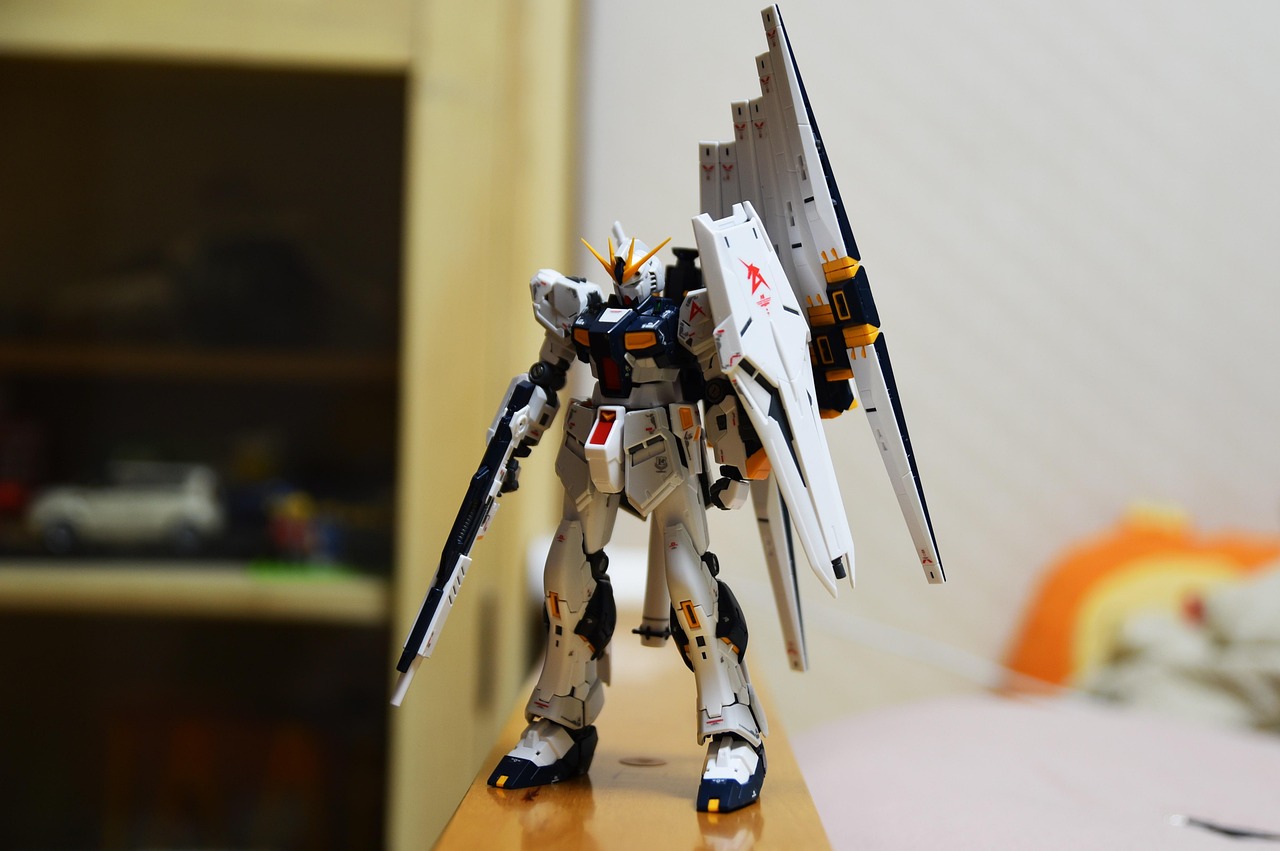
Gundam models have become an integral part of popular culture, influencing various media and industries. They have appeared in films, television shows, and even video games, showcasing their impact beyond the world of anime. The iconic RX-78-2 Gundam has even been immortalized as a life-sized statue in Japan, serving as a testament to its cultural significance.
The Gundam franchise’s enduring popularity has also fostered collaborations with other brands, leading to limited-edition models and merchandise. These collaborations have helped introduce Gunpla to new audiences, further cementing its place in the global zeitgeist.
The Future of Gundam Models
As technology continues to evolve, the future of Gundam models looks promising. Developments in 3D printing and digital design are opening new possibilities for customization and production, allowing builders to create entirely new mobile suits or modify existing designs with unprecedented precision.
Moreover, the growing interest in STEM education has highlighted Gunpla as an engaging tool for learning about engineering, design, and problem-solving. As more people discover the joys of building Gundam models, the community will likely continue to expand, welcoming new enthusiasts from around the world.
For insights into the future of model building and customization technology, check out the Digital Modeling Future website.
Takeaways
The history and evolution of Gundam models is a testament to the creativity and passion of its community. From their humble beginnings as simple plastic kits to their current status as complex, customizable works of art, Gunpla has captured the hearts of fans across generations. As the franchise continues to grow and innovate, so too will the possibilities for builders, ensuring that Gundam models remain a beloved and enduring hobby for years to come.
To delve deeper into the history of the Gundam franchise, visit the official Gundam website.
Exploring the Different Grades of Gunpla
One of the most fascinating aspects of Gunpla is the variety of model grades available, each offering a unique building experience. Understanding these grades is crucial for both newcomers and seasoned builders, as it helps in making informed choices based on skill level, budget, and desired detail.
High Grade (HG)
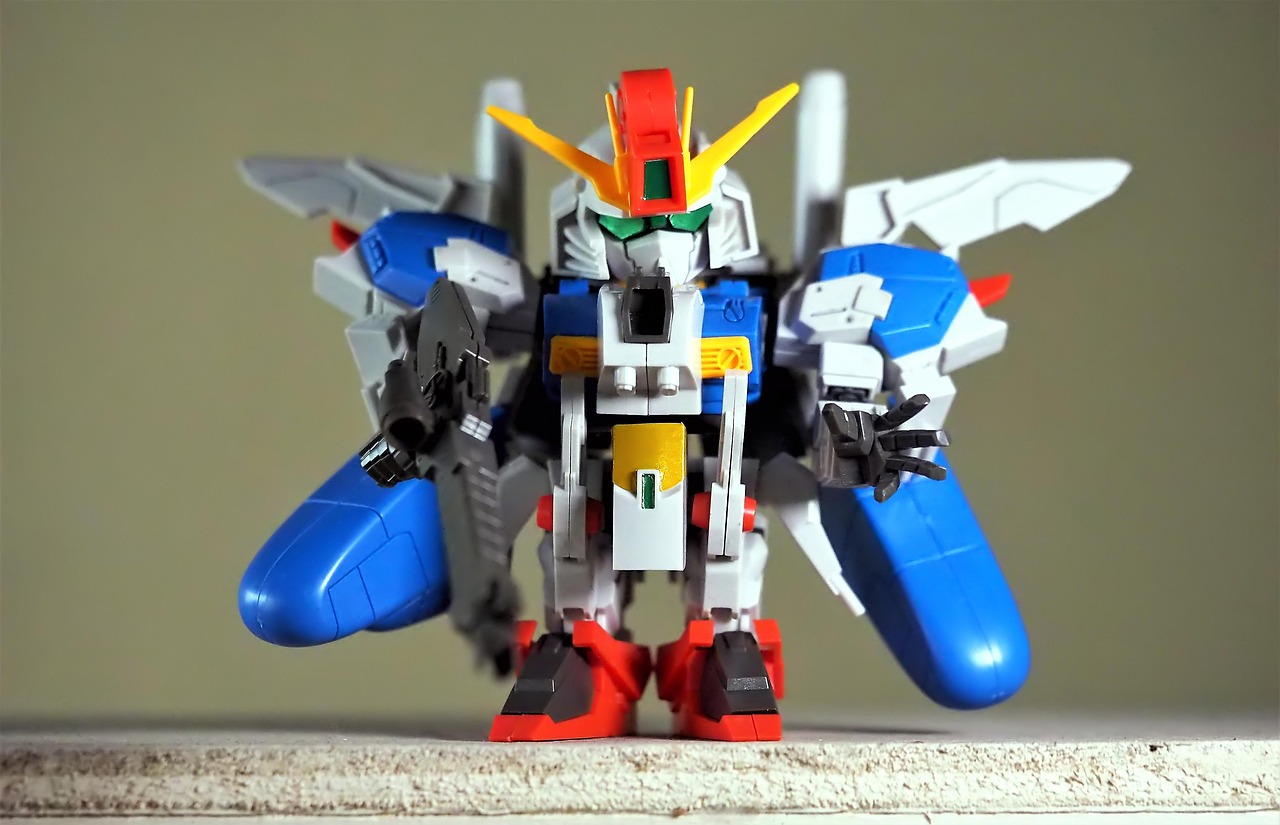
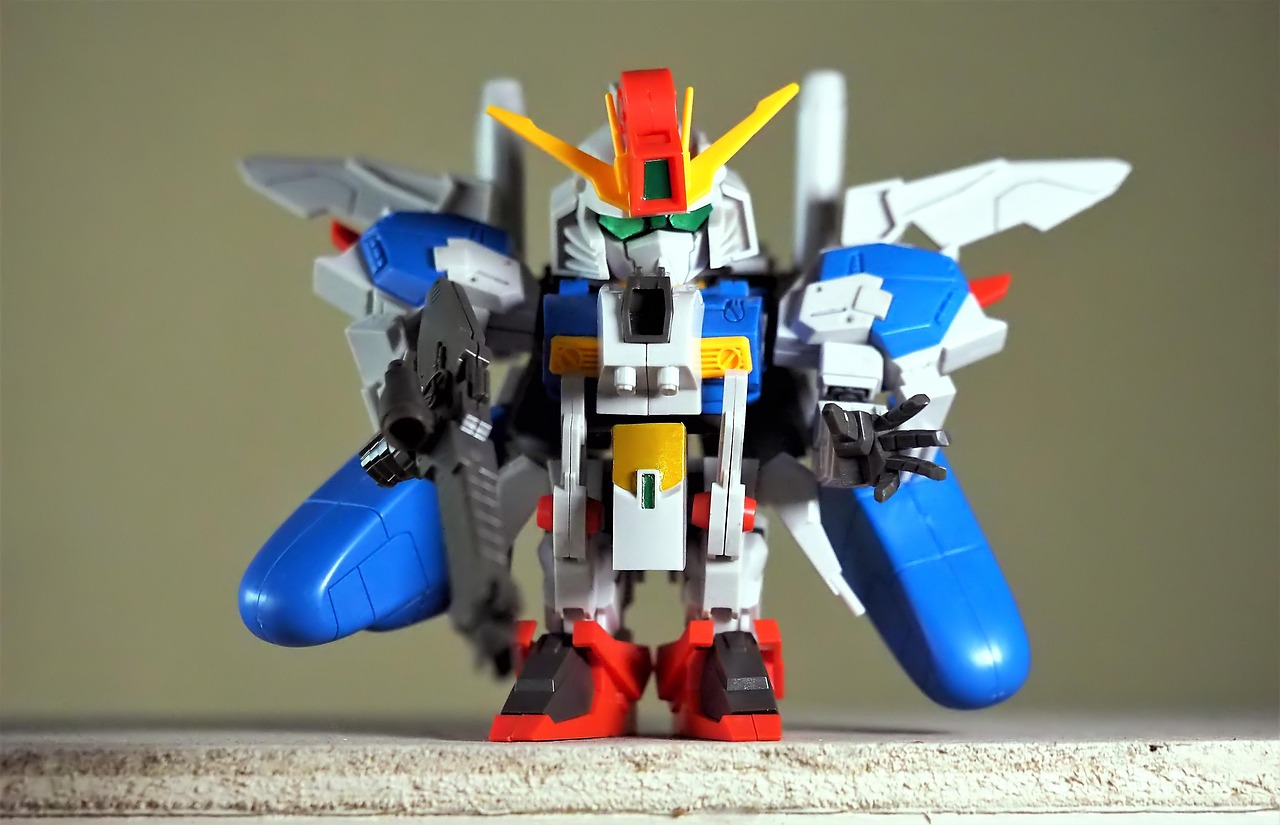
The High Grade (HG) series is known for its accessibility and affordability. These 1/144 scale models are perfect for beginners, offering a balance of detail and ease of assembly. Despite their smaller size, HG kits often feature impressive articulation and color separation, making them a popular choice for casual builders.
Real Grade (RG)
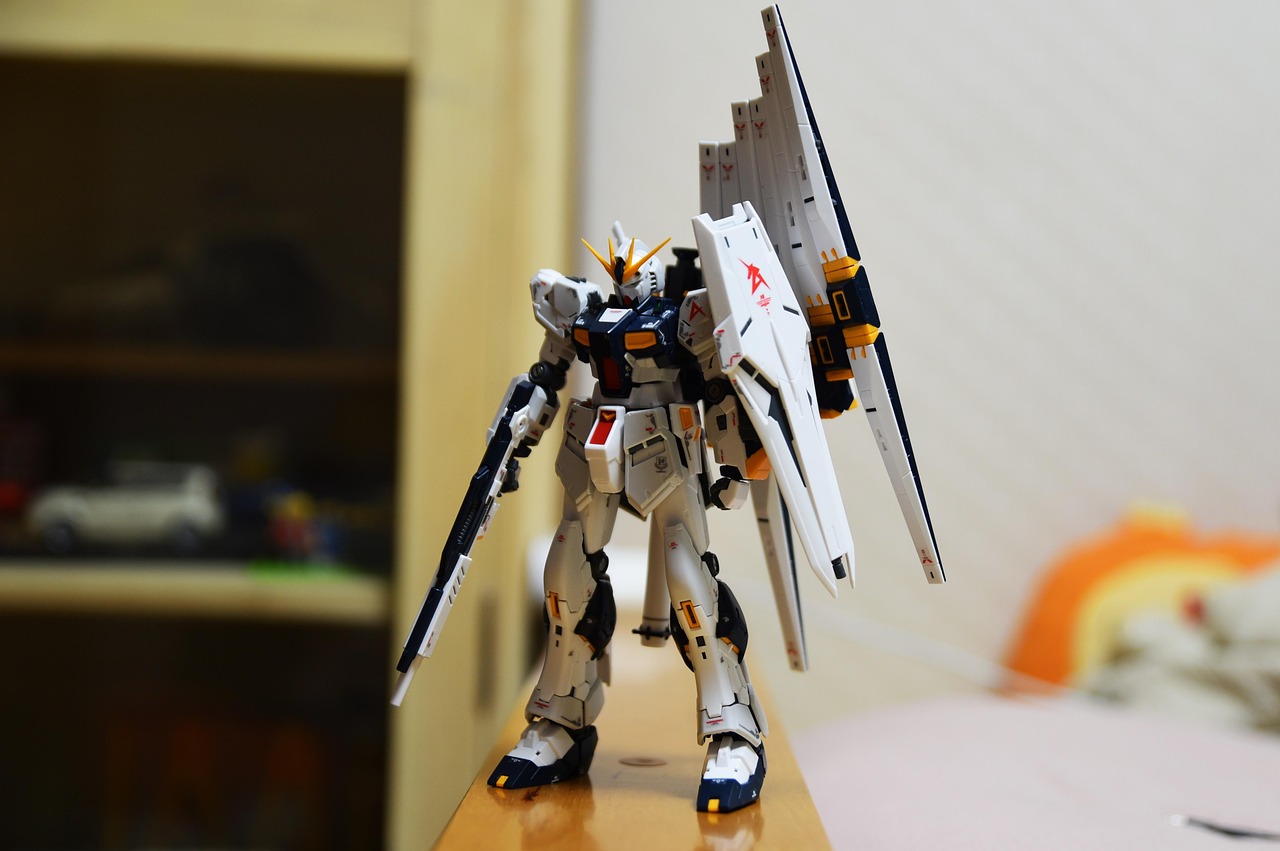
Introduced in 2010, the Real Grade (RG) series combines the affordability of HG kits with the complexity and detail of higher-end models. These 1/144 scale kits are renowned for their intricate designs and advanced engineering, offering a challenging yet rewarding building experience. The RG series is perfect for builders looking to step up their skills without committing to larger scales.
Master Grade (MG)
The Master Grade (MG) series is a favorite among experienced builders, known for its larger 1/100 scale and superior detail. MG kits often feature inner frames, allowing for greater articulation and stability. The increased size also provides more opportunities for customization and detailing, making them a staple for serious hobbyists.
Perfect Grade (PG)
The Perfect Grade (PG) series represents the pinnacle of Gunpla engineering. These 1/60 scale models are masterpieces of design, featuring unparalleled detail, complexity, and articulation. PG kits often include LED lighting and other advanced features, offering a comprehensive building experience that rewards patience and skill.
For a detailed overview of Gunpla grades, visit the Gunpla Grades Guide.
The Community and Online Resources
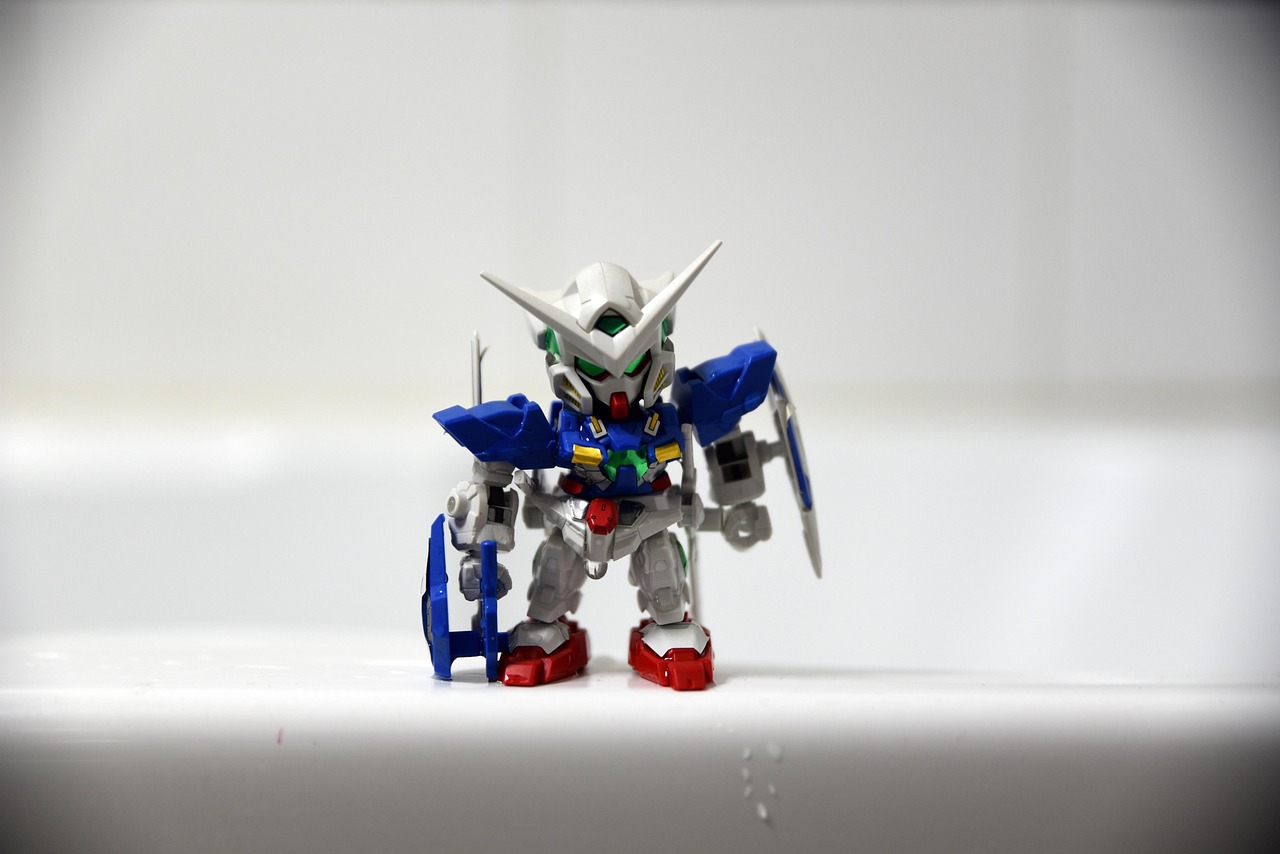
The Gunpla community is vast and welcoming, offering a wealth of resources for builders of all levels. Online forums, social media groups, and dedicated websites provide platforms for sharing tips, showcasing builds, and discussing the latest news from the Gundam universe. This sense of community is a significant factor in the hobby’s enduring appeal.
Numerous YouTube channels and blogs offer tutorials and reviews, helping builders improve their skills and stay informed about new releases. These resources are invaluable for those looking to refine their techniques or find inspiration for their next project. Additionally, online shops and marketplaces make it easier than ever to find and purchase Gunpla kits and accessories.
To connect with fellow enthusiasts, consider joining platforms such as the Gunpla Community Network.
Takeaways
Gundam models, or Gunpla, have come a long way since their introduction in the 1980s. Their evolution reflects advancements in technology, the growth of the Gundam franchise, and the creativity of a passionate global community. Whether you’re a newcomer or a seasoned builder, there’s always something new to discover and learn in the world of Gunpla.
The future of Gundam models looks brighter than ever, with continuous innovations and a dedicated fan base driving their popularity. As the hobby continues to capture the imagination of builders worldwide, Gundam models will undoubtedly remain a beloved and enduring part of both the anime and modeling communities.
The Impact of Gundam Models on the Toy and Hobby Industry
The success of Gundam models has had a profound impact on the toy and hobby industry, inspiring the creation of similar model kits for other popular franchises. The rise of Gunpla set a new standard for model kits, emphasizing detail, articulation, and ease of assembly. This influence can be seen in how other model kit lines have adopted similar techniques and technologies to appeal to a broader audience.
Moreover, the demand for Gundam models has led to innovations in manufacturing processes, such as the use of advanced plastic injection molding and digital sculpting. These advancements not only improve the quality of the models but also reduce production costs, making high-quality kits more accessible to fans worldwide.
The popularity of Gundam models has also encouraged other companies to explore the potential of model kits based on different genres and intellectual properties. This has resulted in a diverse market where builders can find kits from various series, ranging from sci-fi and fantasy to real-world vehicles.
Educational Benefits of Building Gundam Models
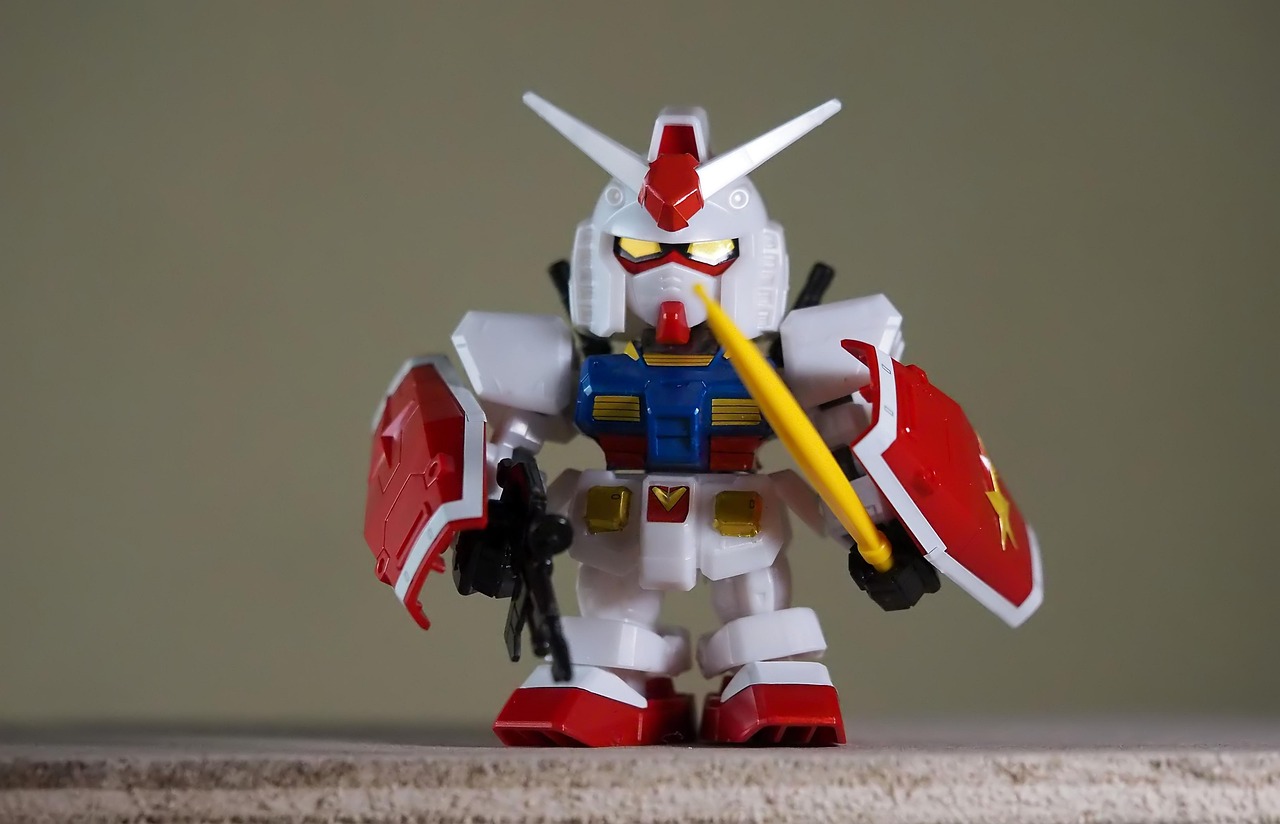
Building Gundam models offers more than just entertainment; it also provides educational benefits. The process of assembling a model kit can enhance fine motor skills, improve problem-solving abilities, and foster creativity. As builders follow instructions and piece together intricate parts, they gain a deeper understanding of engineering concepts and mechanical design.
For younger builders, Gunpla can serve as an introduction to the principles of STEM (Science, Technology, Engineering, and Mathematics) education. By engaging with the technical aspects of model building, children can develop an interest in these fields, potentially inspiring future careers in engineering or design.
Educators and parents can utilize Gunpla as an educational tool, integrating model building into lessons or extracurricular activities to make learning more interactive and enjoyable.
The Environmental Considerations of Gunpla
As with any plastic product, environmental considerations are important in the production and disposal of Gundam models. Bandai has taken steps to address these concerns by implementing more sustainable practices. This includes the use of recycled materials in packaging and the development of more efficient manufacturing techniques that minimize waste.
Moreover, the longevity and reusability of Gunpla kits mean they can be enjoyed for years, reducing the frequency of disposal. Builders are encouraged to recycle or donate unwanted kits, further promoting sustainability within the hobby.
For more information on sustainable practices in the model-making industry, visit the Sustainable Modeling Initiative.
Conclusion: The Timeless Appeal of Gundam Models
The history and evolution of Gundam models illustrate a journey of creativity, innovation, and community. From their beginnings as simple plastic kits to their status as highly detailed and customizable models, they have captured the imaginations of countless fans around the world. The enduring appeal of Gunpla lies in its ability to offer something for everyone, whether it’s the joy of building, the satisfaction of customizing, or the thrill of competing.
As the hobby continues to grow and evolve, it remains a testament to the power of creativity and the enduring allure of the Gundam universe. Whether you’re constructing your first High Grade model or tackling an intricate Perfect Grade kit, the world of Gundam models offers endless opportunities for exploration and enjoyment.





Leave a Reply