
Updated: April 15, 2026
The Evolution of Game Figures: A Journey Through Time
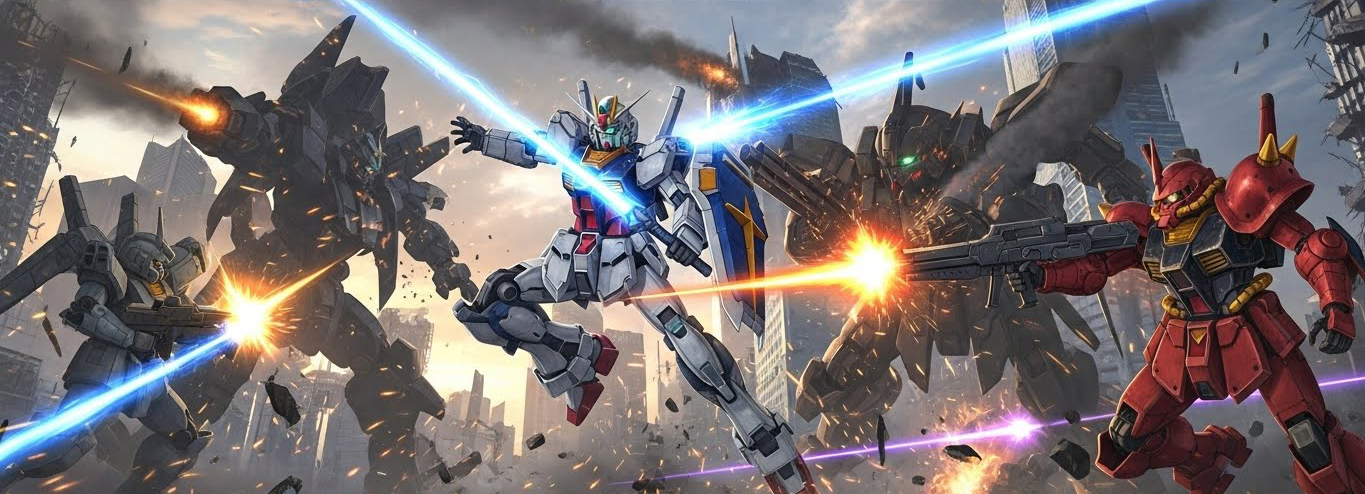
The world of gaming is vast and ever-evolving, with game figures playing a central role in enhancing the gaming experience. From humble beginnings as simple tokens to highly detailed collectibles, game figures have journeyed through time, reflecting technological advancements, cultural changes, and the growing complexity of games themselves. In this post, we will explore the fascinating evolution of game figures, diving into their history, the technological innovations that have shaped them, and their cultural significance.
The Early Days: Tokens and Miniatures
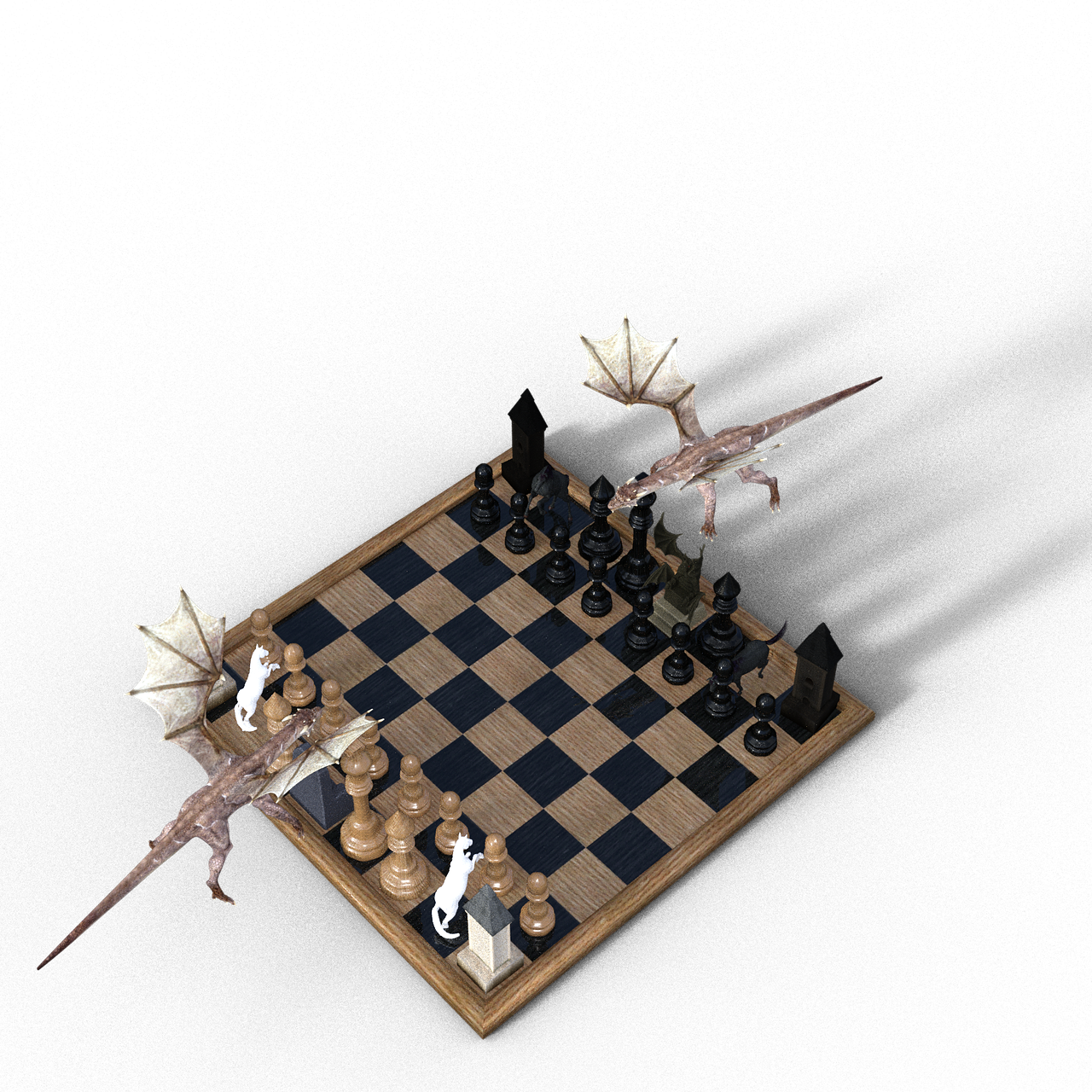
The concept of game figures dates back centuries, with early board games like chess and Go featuring abstract representations of characters or pieces. These early tokens were often simple, made from materials like wood, stone, or bone. The use of miniatures became more prevalent in the 18th and 19th centuries, particularly with the rise of tabletop war games.
Players used lead or tin soldiers to simulate battles, bringing an interactive and visual element to strategy games. These figures were typically hand-painted and often collected as a hobby, laying the groundwork for modern game figure collecting. As the industrial revolution advanced, manufacturing processes improved, making the production of detailed miniatures more accessible and affordable.
The Birth of Modern Board Games
The 20th century saw the emergence of modern board games, with game figures taking on a more significant role. Popular games like Monopoly introduced iconic tokens, such as the top hat and race car, which became an integral part of the gaming experience. These figures were not just functional; they added personality and charm to the games they accompanied.
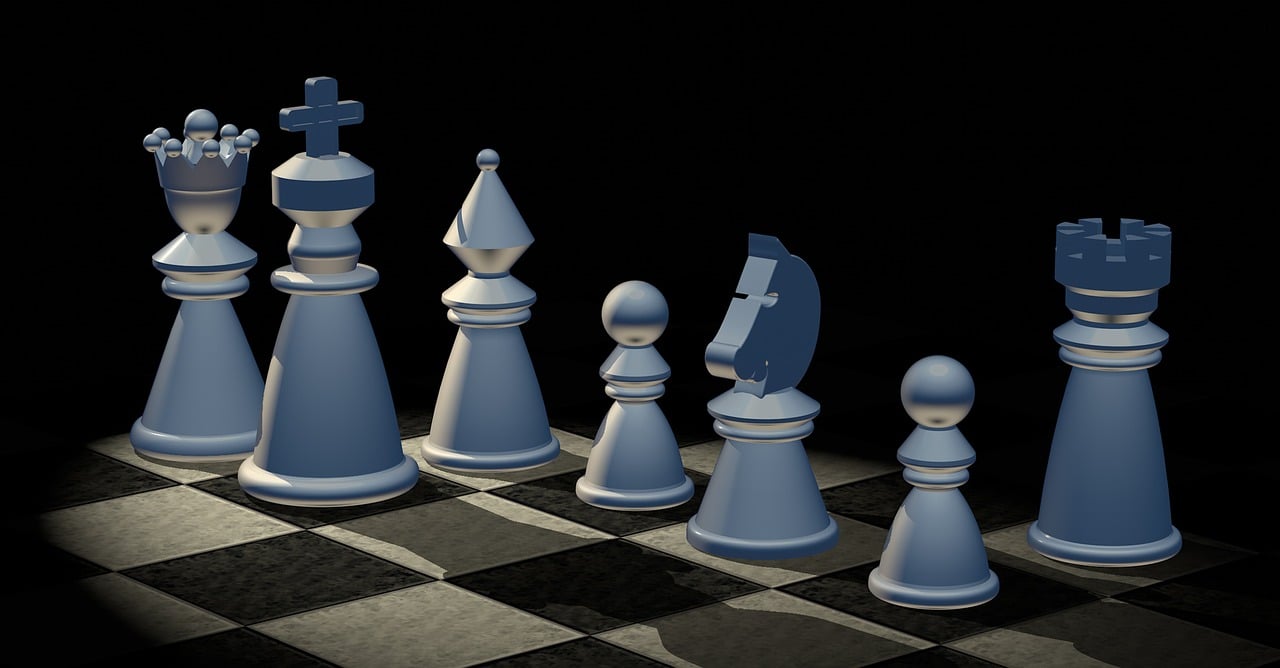
As board games evolved, so did the complexity of their figures. Games like Dungeons & Dragons revolutionized the tabletop gaming scene in the 1970s. Players used detailed miniatures to represent their characters, immersing themselves in fantasy worlds. These miniatures were often customized, allowing players to express their creativity and personalize their gaming experience.
The Rise of Video Games and Digital Avatars
With the advent of video games, the concept of game figures transformed once again. Early arcade games and console titles featured simple pixelated characters, yet even in this basic form, they captured the imaginations of players worldwide. Characters like Mario, Pac-Man, and Sonic the Hedgehog became cultural icons, their digital avatars as memorable as any physical game figure.
As technology advanced, so did the complexity and detail of video game characters. The transition from 2D to 3D graphics in the 1990s allowed for more realistic and immersive character designs. Games like Final Fantasy VII and Tomb Raider pushed the boundaries of character modeling, setting new standards for realism and artistry in game design.
The Collectible Craze
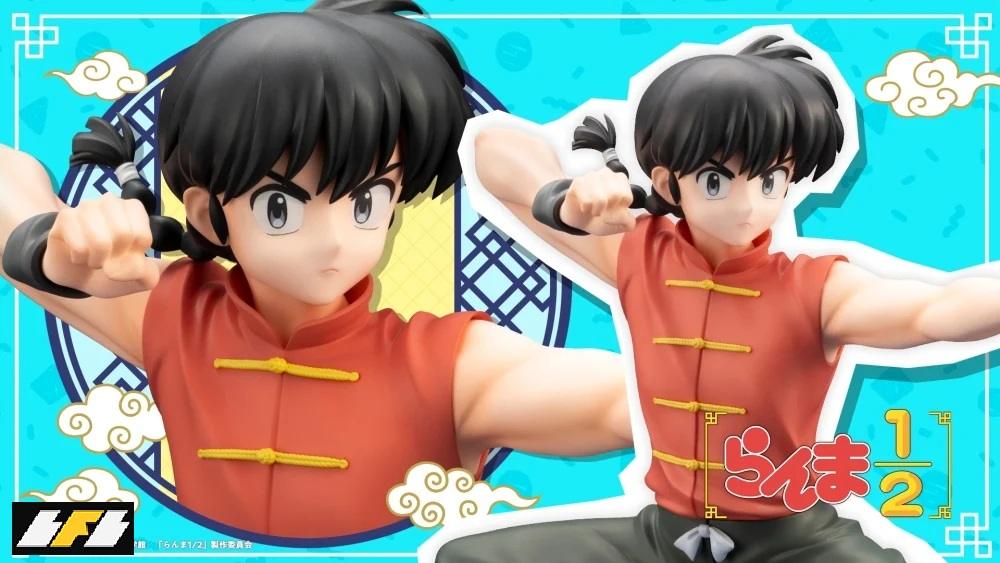
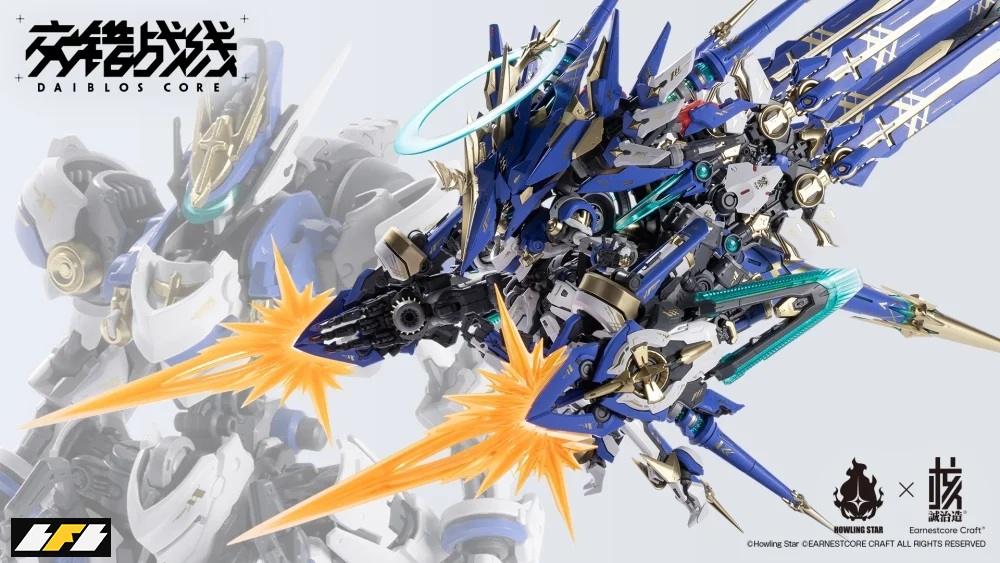
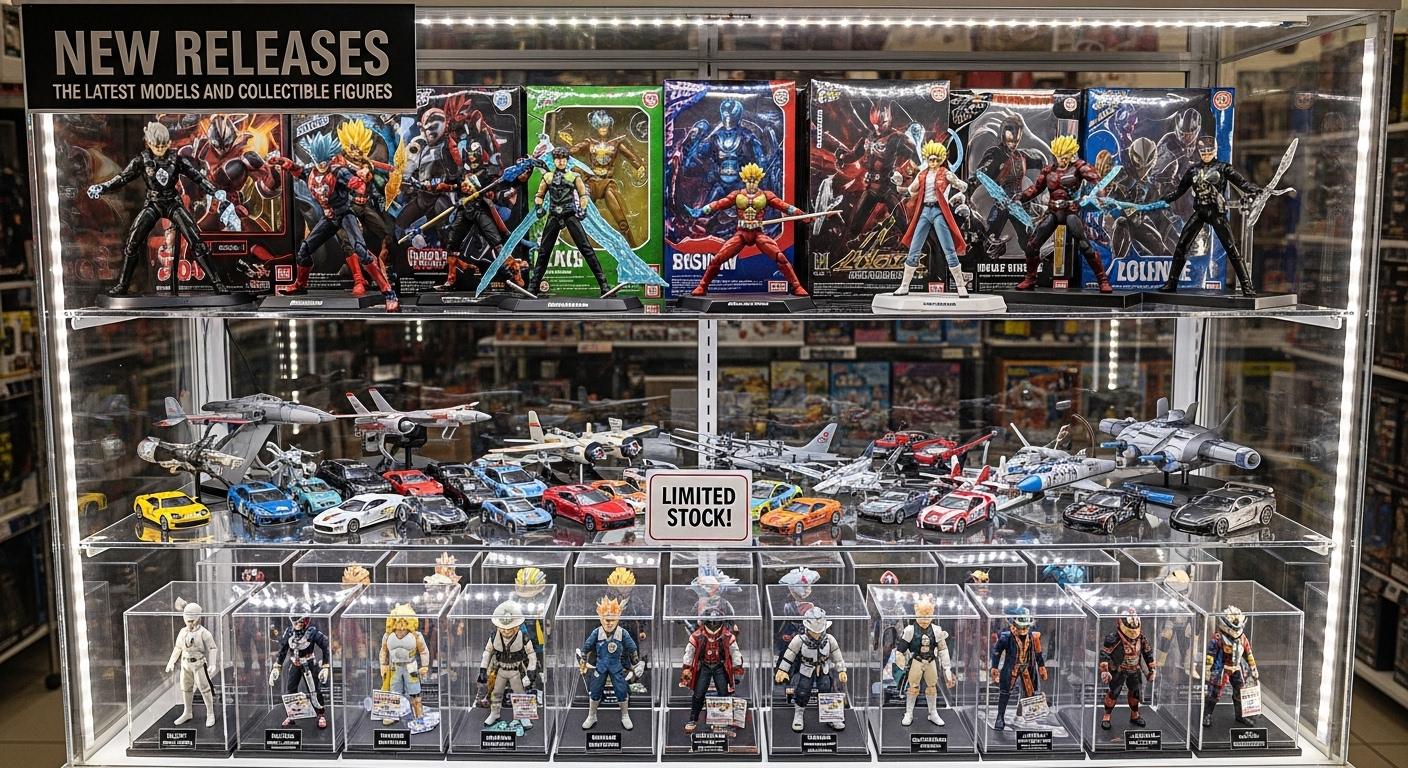
The late 20th and early 21st centuries saw a boom in the popularity of collectible game figures. Companies like Funko and Games Workshop capitalized on the demand for high-quality, detailed figures, producing lines that appealed to both gamers and collectors. These figures ranged from affordable mass-produced items to intricate, limited-edition pieces.

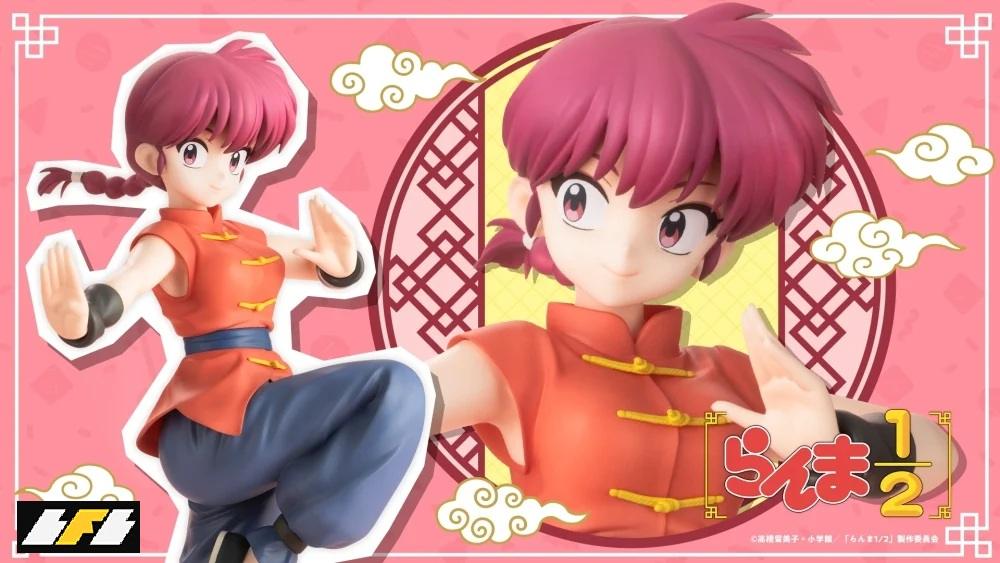
Collectible figures became a means for fans to express their love for specific games or franchises, often serving as display pieces in their homes or offices. The market for these figures continued to grow, with companies producing figures for a wide range of genres, from fantasy and sci-fi to sports and pop culture.
The Role of Technology in Modern Game Figures
Today’s game figures benefit from incredible advancements in technology, allowing for unprecedented levels of detail and customization. 3D printing has revolutionized the way figures are designed and produced, enabling creators to produce intricate designs with ease. This technology has democratized the creation of game figures, allowing independent artists and small companies to enter the market.
Augmented reality (AR) and virtual reality (VR) have also opened new possibilities for game figures. AR games like Pokémon GO have blended physical and digital experiences, allowing players to interact with virtual figures in real-world settings. VR games take this a step further, immersing players in fully-realized worlds where they can interact with digital avatars in lifelike environments.
The Cultural Impact of Game Figures
Game figures have become more than just game pieces; they are cultural artifacts that reflect the zeitgeist of their time. They embody the creativity and artistry of their creators, while also serving as a testament to the technological advancements that have shaped the gaming industry. Game figures have become a bridge between the physical and digital worlds, uniting players across generations and cultures.
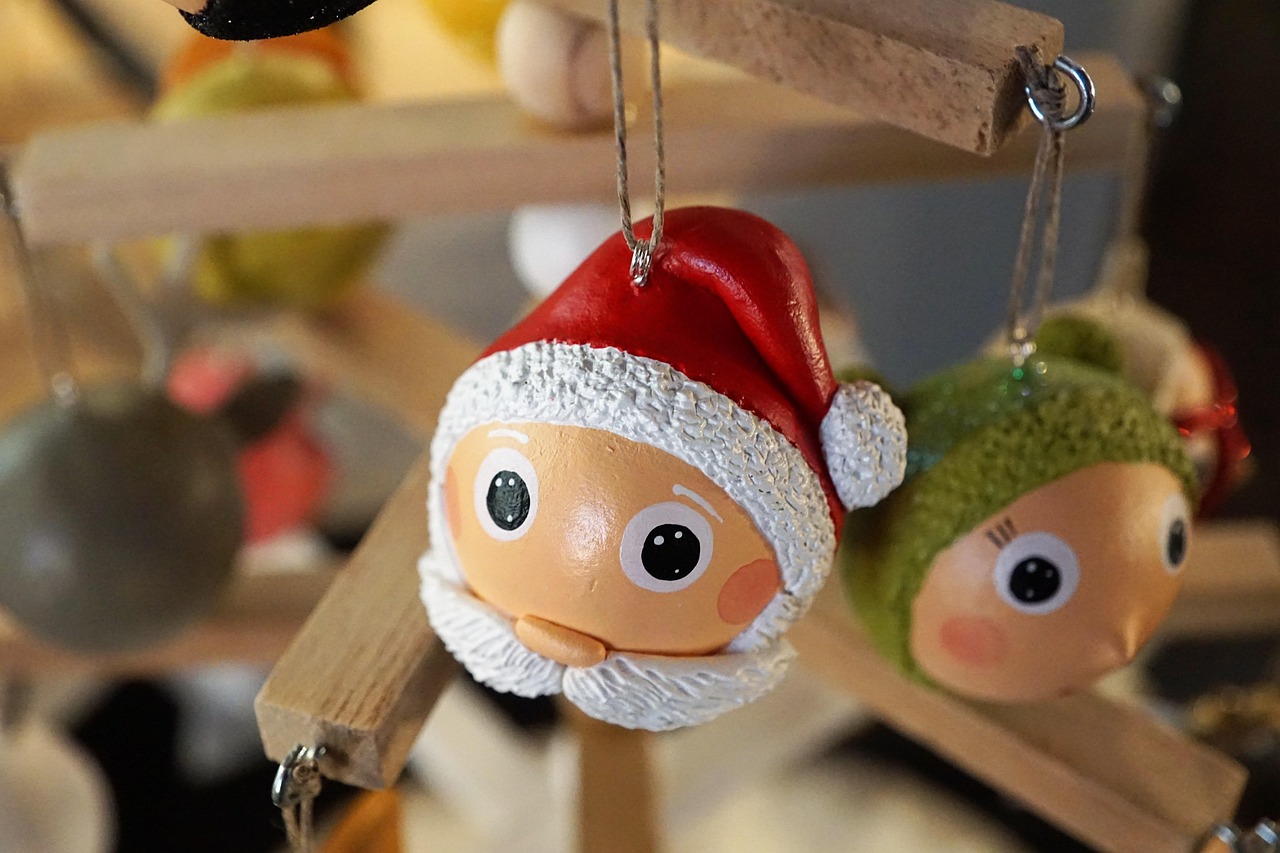
Moreover, game figures have played a role in fostering community and collaboration. Collectors and enthusiasts often gather at conventions, online forums, and social media platforms to share their passion, trade figures, and discuss their favorite games. This sense of community has helped to elevate game figures from mere collectibles to cherished symbols of shared experiences and memories.
Conclusion: The Future of Game Figures
The evolution of game figures is a testament to the enduring appeal and transformative power of games. As technology continues to advance, the possibilities for these figures are limitless. We can expect to see even more sophisticated and immersive designs, as well as new ways to interact with and collect these beloved artifacts.
In the future, game figures will likely continue to blur the lines between the physical and digital realms, offering players new ways to experience their favorite games. Whether through advances in AR and VR, innovative manufacturing techniques, or the creative endeavors of passionate artists, the journey of game figures is far from over. As we look to the future, we can be certain that game figures will continue to captivate and inspire, serving as both a reflection of our past and a beacon for the possibilities that lie ahead.
Game Figures and Educational Impact
Game figures also hold potential in the field of education. Educators are beginning to realize the potential of using game figures to engage students in interactive and immersive learning experiences. For instance, historical board games with detailed figures can bring history lessons to life, providing students with a tactile and visual way to explore historical events and cultures. Similarly, science-themed games can use figures to illustrate complex biological or chemical concepts, making them more accessible and engaging for learners.

Moreover, the act of painting or customizing game figures can be a valuable educational exercise in itself. It encourages creativity, patience, and attention to detail, skills that are beneficial in various educational contexts. As the educational sector continues to explore gamification and interactive learning, game figures are likely to play an increasingly prominent role in classrooms and educational settings.
The Role of Community in the Evolution of Game Figures
The evolution of game figures is not just a story of technological advancement and artistic creativity; it is also a story of community. Enthusiasts and collectors have played a crucial role in shaping the market and driving demand for new and innovative figures. Online communities and forums like BoardGameGeek have become hubs for exchanging ideas, sharing custom designs, and celebrating the latest releases.
These communities often organize events such as painting competitions, swap meets, and conventions, where enthusiasts can gather to showcase their collections and skills. Such events not only foster camaraderie and collaboration but also provide opportunities for creators and manufacturers to receive direct feedback from their audience, influencing future designs and innovations.
Game Figures in Popular Culture
Game figures have also made a significant impact on popular culture, crossing over into other media and entertainment forms. Iconic game figures have inspired movies, television shows, and comic books, further cementing their place in the cultural lexicon. Characters like Batman, Spider-Man, and the Avengers, who originated from comic books, have been reimagined as game figures, creating a cross-pollination of media that enriches both the gaming and entertainment industries.

Additionally, game figures often serve as a bridge between generations. Parents who grew up with certain games and figures can share their passion with their children, passing down not just the figures themselves but also the stories and experiences associated with them. This intergenerational connection helps to maintain the relevance and appeal of game figures, ensuring that they remain a beloved aspect of gaming culture for years to come.
The Environmental Impact and Sustainability of Game Figures
As the popularity of game figures continues to grow, so does the importance of addressing their environmental impact. The production of plastic figures, in particular, raises concerns about sustainability and waste. In response, many companies are exploring eco-friendly alternatives, such as using biodegradable materials or recycled plastics in their production processes.
Furthermore, the rise of 3D printing offers an environmentally friendly alternative to traditional manufacturing methods. By allowing figures to be produced on demand, 3D printing reduces waste and the need for large-scale production runs. As consumers become increasingly conscious of environmental issues, companies that prioritize sustainability in their production practices are likely to find favor with a growing segment of the market.
Conclusion: Continuing the Legacy of Game Figures
The journey of game figures is a remarkable one, marked by continuous innovation, creativity, and cultural significance. As we look to the future, the possibilities for these beloved artifacts are endless. Whether serving as educational tools, cultural icons, or cherished collectibles, game figures will continue to captivate the imaginations of players and collectors alike.
The legacy of game figures is a testament to the enduring appeal of games as a form of entertainment and artistic expression. As new technologies emerge and cultural trends evolve, game figures will undoubtedly adapt and thrive, continuing to enrich the gaming experience for generations to come. The future of game figures is bright, and their journey is far from over, promising exciting new chapters in the ever-evolving story of gaming culture.









Leave a Reply