
Updated: April 15, 2026
The Role of Game Figures in Popular Culture
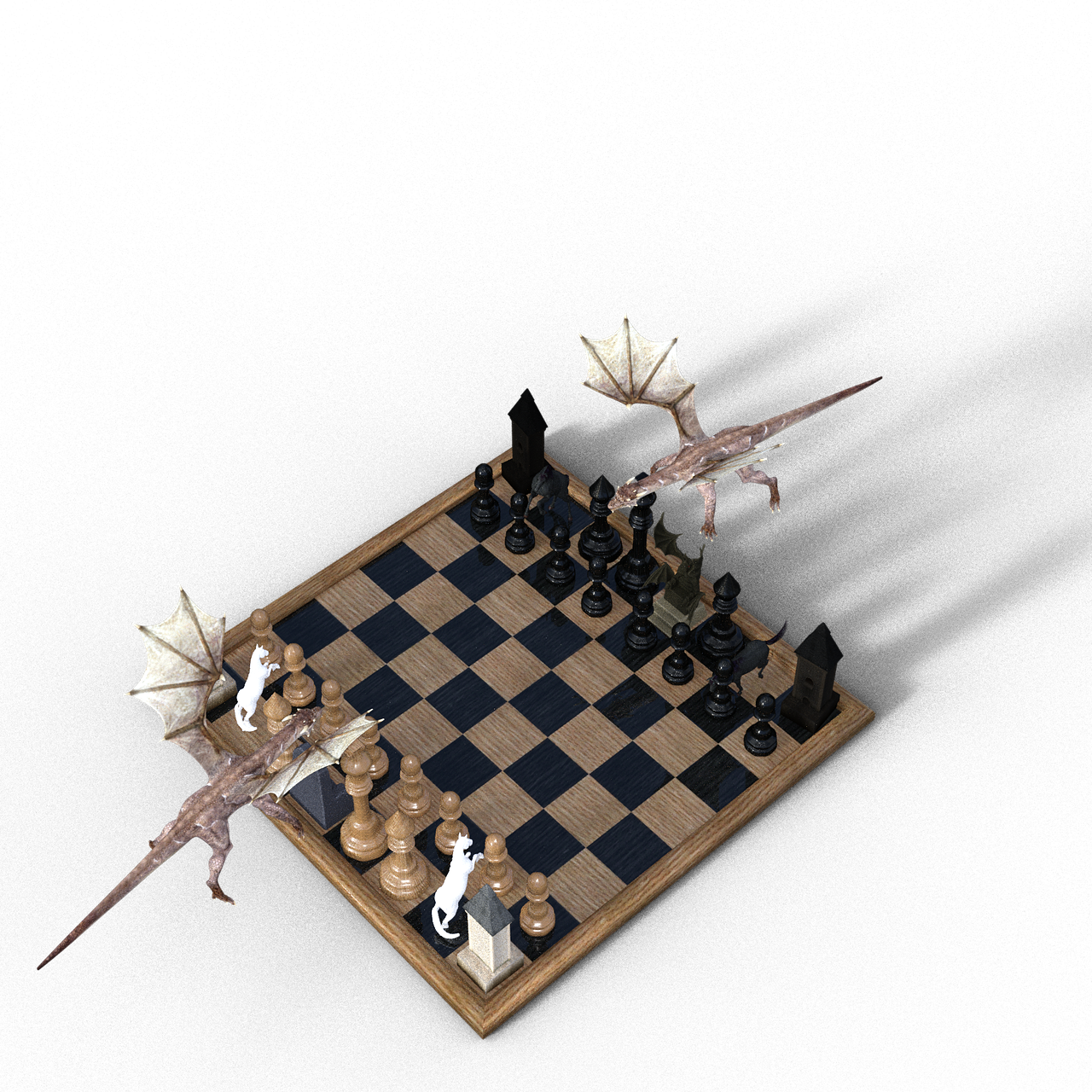
Game figures have become an integral part of modern popular culture. From the early days of board games and simple toys to the complex and intricately designed action figures and collectibles of today, these items have captured the imaginations of millions worldwide. This article explores the evolution, significance, and cultural impact of game figures, delving into their origins, development, and the role they play in contemporary society.
Origins of Game Figures
The history of game figures can be traced back to ancient civilizations. Archeological findings have uncovered small figurines used in ancient Egypt and Mesopotamia as part of board games and religious ceremonies. These early figures served both as entertainment and as symbols of cultural and religious beliefs.
With the advent of mass production in the 20th century, game figures became more accessible to the general public. The development of plastics and other materials allowed for the creation of affordable and durable figures, leading to their widespread popularity. Board games like Monopoly and Risk began to incorporate game pieces that players could identify with, setting the stage for the modern era of collectible game figures.
The Rise of Action Figures
The introduction of action figures in the mid-20th century marked a significant turning point in the world of game figures. Companies like Hasbro and Mattel revolutionized the industry by creating figures that were not only playable but also collectible. The release of the G.I. Joe line in the 1960s was a defining moment, as it introduced the concept of action figures based on military themes.

Action figures became even more popular with the advent of popular franchises such as Star Wars, Marvel, and DC Comics. These figures offered fans a tangible connection to their favorite characters and stories. The attention to detail and the ability to pose and interact with these figures enhanced their appeal, leading to a vibrant community of collectors and enthusiasts.
Game Figures in Video Games
As technology advanced, video games emerged as a new frontier for game figures. The integration of amiibo figures by Nintendo is a prime example of how physical game figures can enhance the gaming experience. These figures not only serve as collectibles but also unlock in-game content, adding an extra layer of interactivity.
The popularity of video games has also led to the creation of figures based on popular gaming characters. Iconic figures like Mario, Sonic, and Pikachu have transcended their digital origins to become cultural symbols, beloved by fans of all ages. The seamless blend of physical figures with digital gaming has opened new avenues for storytelling and engagement.
Game Figures as Cultural Icons
Game figures are more than just toys or collectibles; they have become cultural icons. Their influence extends beyond the confines of gaming and into various aspects of media and entertainment. Characters like Batman, Spider-Man, and Darth Vader have become household names, recognized and adored across the globe.
This cultural significance is evident in the way game figures are marketed and consumed. They are featured in movies, television shows, and even fashion. The recent resurgence of retro figures and re-releases of classic lines have tapped into a sense of nostalgia, drawing in both new fans and older generations who wish to relive the magic of their youth.
Collecting Game Figures: A Passionate Pursuit

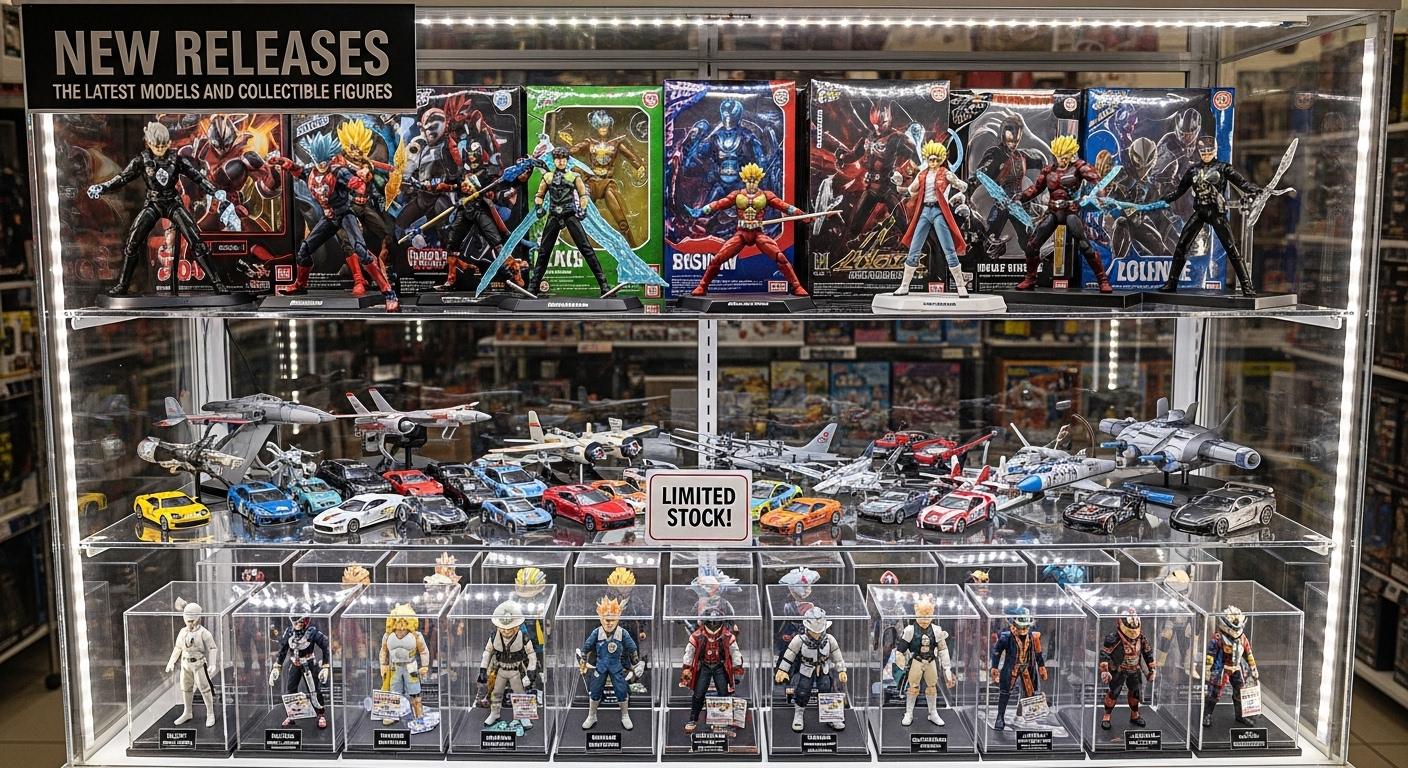
The world of game figure collecting is vibrant and diverse. Collectors often seek out rare and limited-edition pieces, attending conventions and participating in online communities to share their passion. The thrill of finding a coveted figure or completing a collection drives many enthusiasts.
Collecting game figures is not just about owning objects; it’s about connecting with stories and characters that hold personal significance. Whether it’s a rare Funko Pop figure or a meticulously crafted statue, each piece tells a story and represents a cherished memory or aspiration.
The Future of Game Figures
The future of game figures looks promising, with advancements in technology and design continuing to push the boundaries of what is possible. 3D printing and augmented reality offer exciting possibilities for customization and interactivity, allowing collectors to create personalized figures or engage with them in new ways.
Moreover, the growing interest in sustainable and eco-friendly materials is influencing the industry, leading to innovative approaches in manufacturing. Companies are exploring ways to reduce their environmental impact while maintaining the quality and appeal of their products.
The intersection of technology, creativity, and nostalgia will continue to drive the evolution of game figures. As new generations of fans discover and embrace these iconic pieces, the cultural impact of game figures will undoubtedly endure.
Takeaways
Game figures have transcended their humble beginnings to become a significant part of popular culture. From ancient artifacts to modern collectibles, they have captured the hearts and imaginations of people worldwide. Whether as a beloved childhood toy, a treasured collectible, or a cultural icon, game figures continue to play a vital role in our lives.

As we look to the future, the enduring appeal of game figures promises to inspire new innovations and stories. Their ability to connect with diverse audiences and serve as a bridge between generations ensures that they will remain an integral part of our cultural landscape for years to come.
The Economic Impact of Game Figures
Beyond their cultural significance, game figures have a substantial economic impact. The global market for collectibles, particularly game figures, is a multi-billion-dollar industry. Companies invest heavily in research and development to produce figures that appeal to fans and collectors, understanding that a successful line can lead to substantial profits.
This economic influence extends to retailers, both online and brick-and-mortar, who capitalize on the demand for these products. Special editions and exclusive releases drive consumer interest and encourage spending, especially during peak shopping seasons like Black Friday and the holiday period. The secondary market for rare and vintage figures further underscores their economic value, with some items fetching high prices at auction.
The economic engine of game figures is fueled by licensing agreements with entertainment franchises. These partnerships allow toy manufacturers to produce figures based on popular characters, ensuring a steady flow of new products that keep the market vibrant and consumers engaged. For example, the collaboration between LEGO and major film franchises like Star Wars has yielded lucrative results, merging the world of construction toys with beloved cinematic universes.

Game Figures and Fan Communities
The influence of game figures is also evident in the vibrant fan communities that surround them. These communities, both online and offline, are spaces where enthusiasts come together to share their collections, discuss new releases, and celebrate their passion for game figures. They organize meetups, conventions, and swap meets, fostering a sense of camaraderie and shared interest.
Online platforms like Reddit and dedicated forums host discussions on everything from the latest news and reviews to custom figure modifications and display tips. Social media platforms like Instagram and YouTube have also become avenues for collectors to showcase their collections through photos and videos, reaching a global audience.
Fan communities play a crucial role in shaping the industry. Their feedback and preferences often influence the design and production of new figures, as companies seek to cater to the desires of their most dedicated customers. This symbiotic relationship between manufacturers and fans ensures that the world of game figures continues to evolve and thrive.
Game Figures in Education and Learning
While primarily seen as collectibles or toys, game figures have educational potential that is being increasingly recognized. They can be used as teaching tools in classrooms, helping educators engage students in subjects like history, science, and art. For instance, historical figures or scientifically accurate models can bring lessons to life, providing tangible references that enhance understanding.
Furthermore, the creative aspect of game figures encourages skills like storytelling, problem-solving, and critical thinking. Customizing figures or creating dioramas fosters creativity and can be a gateway for students to explore careers in design, animation, and other creative fields. The hands-on nature of working with figures complements traditional learning methods, offering an interactive and engaging experience.

Challenges Facing the Game Figure Industry
Despite their popularity, the game figure industry faces several challenges. The rapid pace of technological advancement means that companies must constantly innovate to keep up with consumer expectations. As digital entertainment options expand, capturing the attention of younger audiences becomes increasingly difficult.
Additionally, the industry must navigate issues related to intellectual property rights and licensing agreements, which can be complex and costly. Securing the rights to produce figures based on popular franchises requires significant investment and negotiation, impacting the overall cost and availability of products.
Environmental concerns also pose a challenge, as the production of plastic figures contributes to waste and pollution. Companies are beginning to explore sustainable materials and practices, but balancing environmental responsibility with profitability remains a pressing issue.
The Enduring Legacy of Game Figures
As we reflect on the role of game figures in popular culture, it is clear that their impact is both profound and enduring. They have transcended their origins as mere playthings to become symbols of cultural identity, vehicles for storytelling, and objects of personal significance.
The legacy of game figures is built on their ability to connect people across generations, bridging the gap between past and present. As they continue to evolve, they will remain a testament to the creativity and imagination of both their creators and their fans.
In conclusion, game figures are much more than collectibles; they are a vital part of the cultural fabric that enriches our lives. Whether cherished for their nostalgic value, admired for their artistry, or embraced as part of a larger fandom, their influence will continue to resonate in the hearts and minds of enthusiasts around the world for generations to come.









Leave a Reply