
Updated: April 15, 2026
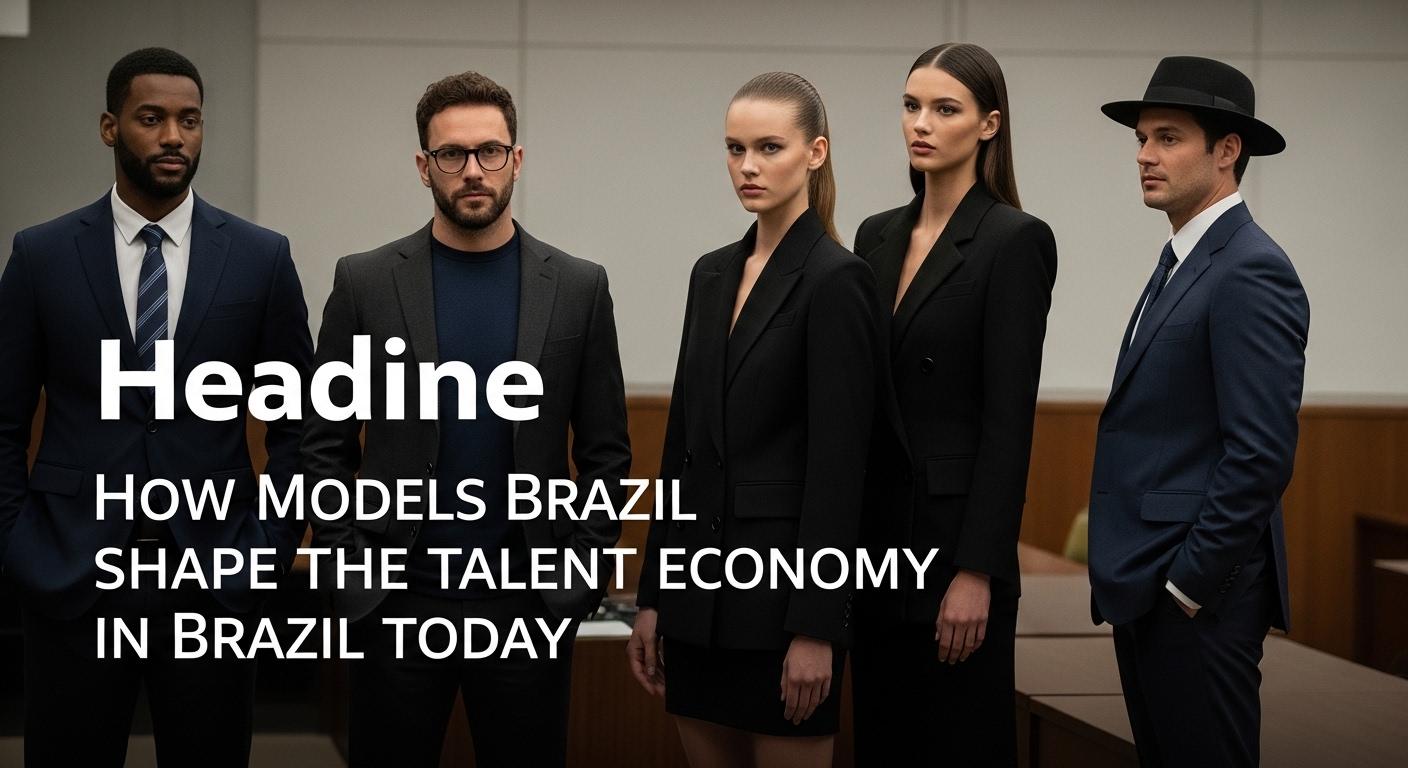
Across Brazil’s fashion and media landscape, observers increasingly ask how Models Brazil intersects with talent development, labor norms, and the economics of image-driven brands. This analysis provides a deep, data-informed look at the forces shaping the industry, showing how models, agencies, platforms, and policymakers influence opportunities for newcomers and veterans alike. The phrase how Models Brazil matters is not cosmetic; it signals a shift toward governance, transparency, and sustainable growth in a sector that touches art, commerce, and labor rights.
Context: Brazil’s modeling industry under pressure
Brazil’s modeling ecosystem sits at a crossroads of tradition and disruption. On one hand, the country remains a major talent pool for global brands, with cities like São Paulo, Rio de Janeiro, and Salvador hosting both local fashion weeks and international shoots. On the other hand, the industry contends with volatility in demand, fluctuations in exchange rates, and scrutiny over how projects are sourced and paid. This context matters because the incentives of agencies, clients, and models co-evolve: agencies invest in scouting and training; brands seek consistent quality and risk control; models pursue stable income and clear contracts. In this environment, the practical viability of careers depends less on a singular glamour moment and more on a reliable pipeline that translates scripts, shoots, and campaigns into predictable earnings. For observers in Brazil and beyond, the question is not only who appears on the runway but how employment terms, scheduling, and trust are governed in a market where labor classification remains a live policy issue. Moreover, industry studies are highlighting rising concerns about mental health and work-life balance as workloads expand with digital casting and international campaigns.
Economics and labor dynamics: from contracts to careers
Contracting models in Brazil can take many forms, from formal CLT arrangements to autonomous engagements, each with different protections and risks. The financial calculus for a model often hinges on a blend of base rates, usage fees, travel allowances, and residual royalties for repeat campaigns. Agencies serve as intermediaries that translate creative briefs into booked work, but they also absorb the fluctuations of demand and the currency environment. The result is a system that rewards reliability and compliance: timely payments, transparent billing, and clear consent for image usage. When contracts are explicit about rights, durations, and exclusivity, models gain leverage to negotiate for training, health coverage, and post-campaign opportunities. When terms are opaque or inconsistent, risks accumulate: delayed payment, ambiguous ownership of rights, or covert exclusivity that limits later opportunities. The causal link is straightforward: the more formal and transparent the contract structure, the more actors can forecast earnings, invest in skill development, and persevere through lean periods. This reality matters for Brazil as a national market because it shapes who can enter modeling, who remains, and how brands steward their reputations in a crowded and increasingly global talent pool. In response, many agencies are adopting standardized clauses and clearer escalation paths, while models increasingly seek financial literacy resources to manage irregular income streams and planning ahead for long campaigns or cross-border shoots.
Technology, platforms, and the talent pipeline
Digital platforms have expanded the reach of aspiring models beyond traditional agency networks. Social media, casting apps, and influencer marketing have lowered the barriers to entry, enabling individuals to showcase portfolios directly to brands and photographers. Yet this democratization is double-edged. For every success story, there are concerns about inconsistent pay, uneven exposure, and the persistence of gatekeeping practices—whether through algorithmic visibility, pay-to-play exercises, or regional disparities in opportunities. Brazil’s market illustrates a broader trend: platforms can accelerate discovery but also concentrate bargaining power in the hands of a few players who control access to campaigns and international opportunities. The result is a more complex talent pipeline, where education and branding decisions—language skills, portfolio curation, and online presence—become as important as runway readiness. In practice, studios, schools, and agencies are increasingly judged on how well they prepare models for a multi-channel world: fashion weeks, catalog shoots, social content, and brand partnerships that rely on data-driven targeting and cross-border collaboration. As Brazil continues to integrate into global campaigns, data analytics are shaping casting decisions, enabling faster feedback loops and more precise targeting for campaigns, but also raising concerns about how data use and profiling influence career trajectories.
Policy and industry response: governance, ethics, and sustainability
Brazilian policy discourse around modeling is evolving, with attention to labor rights, health and safety standards, and the long-term sustainability of the talent pipeline. Regulators, trade associations, and industry leaders debate how to balance creative freedom with protections against exploitation, particularly for younger models and those navigating complex work visas or international shoots. Brands increasingly pursue due diligence: verifying employment arrangements, ensuring fair compensation, and supporting ethical guidelines for image rights and consent. This dynamic matters because governance choices ripple through every level of the supply chain—from scouts who identify potential talent to photographers, stylists, and final advertisers. The goal is not to micromanage creativity but to build a transparent ecosystem in which contracts, payroll practices, and post-campaign opportunities align with Brazilian labor norms and global standards. A mature approach to policy also implies investment in health resources, mental well-being, and career longevity, acknowledging that modeling is a profession with physical and psychological dimensions that deserve professional support and straightforward pathways to advancement. Industry associations are increasingly publishing best-practice frameworks for safe work environments, while studios and agencies are piloting case studies on career mapping to help models plan long-term trajectories rather than chasing short-term wins.
Actionable Takeaways
- For agencies: standardize contracts with clear image rights, residuals, and timely payment schedules to attract diverse talent and reduce disputes.
- For models: pursue formalized income streams and access to professional development, including training in negotiating, financial planning, and self-branding.
- For brands and clients: implement clear brief-to-casting processes (sourcing, casting, and usage rights) to improve transparency and reduce compliance risk.
- For regulators: promote reporting frameworks on labor standards, ensure enforcement of fair-pay rules, and encourage industry-wide best practices for health and safety.
- For platforms: provide equitable exposure mechanisms, guard against pay-to-play practices, and support cross-border opportunities with clear monetization rules.






Leave a Reply