

Updated: April 15, 2026
In Brazil’s fast-evolving fashion and influencer economy, stakeholders are asking how Models Brazil can sustain growth while grappling with AI-enabled changes in representation, rights, and revenue. This examination centers on long-run factors shaping the industry and why the question how Models Brazil is becoming less about glamour and more about governance, data, and durable partnerships that endure beyond trend cycles.
The Context: Brazil’s Modeling Economy Faces Digital Disruption
Brazil has built a robust modeling ecosystem around fashion weeks, agencies, and social media-driven collaborations. In recent years, the line between talent and brand ambassador has blurred as advertisers increasingly rely on content creators who produce both on-camera appearances and digital assets. AI-enabled tools—from automated casting and virtual look development to algorithmic optimization of reach—accelerate production but also compress margins for traditional agencies. This shift raises questions about who benefits from growth: the agency, the model, or the platform, and how new value is shared. For many in Brazil, the pivot from static print to fluid, multi-channel storytelling has been a boon, but not without risk. Talent fees, licensing for likenesses, and the right to withdraw consent are now recurring conversations that shape negotiation dynamics and career longevity.
Beyond talent, the marketplace is testing governance structures. Data flows from portfolios, social profiles, and biometric captures intersect with privacy regimes and labor-law expectations. The Brazilian LGPD framework provides guardrails, but enforcement and industry-specific standards remain uneven. In this backdrop, the core question becomes not only how Models Brazil achieves scale, but how governance, ethics, and profit align in a sector prone to rapid shifts in technology and taste.
Governance and Ethics: The Push for Responsible AI and Talent Rights
Industry players are increasingly calling for clear rules around synthetic media, consent, and the use of a model’s likeness in AI training. Brazil’s developing AI governance conversation intersects with labor protections and civil rights in a way that makes the modeling sector a litmus test for responsible innovation. Brands and agencies that pilot AI-assisted casting and virtual campaigns without transparent disclosures risk eroding trust with models, fans, and regulators. The challenge is not only technical but legal and cultural: how to separate imaginative experimentation from exploitative use. Actors in this space argue for standardized licensing, portable talent contracts, and explicit rights to opt out of automated use cases that extend beyond a single campaign. The aim is to preserve opportunity for new talent while guarding against coercive exploitation in an increasingly automated ecosystem.
Policy-makers, trade associations, and large agencies should collaborate to codify norms around fair compensation, control over digital likeness, and the right to future earnings when models participate in AI-driven projects. The result would be a more predictable environment for brands to innovate and for models to build sustainable careers. The question remains whether Brazil can set a credible domestic standard that also informs regional and global practice in this cross-border industry.
Market Forces: Brands, Advertisers, and the Deepfake Dilemma
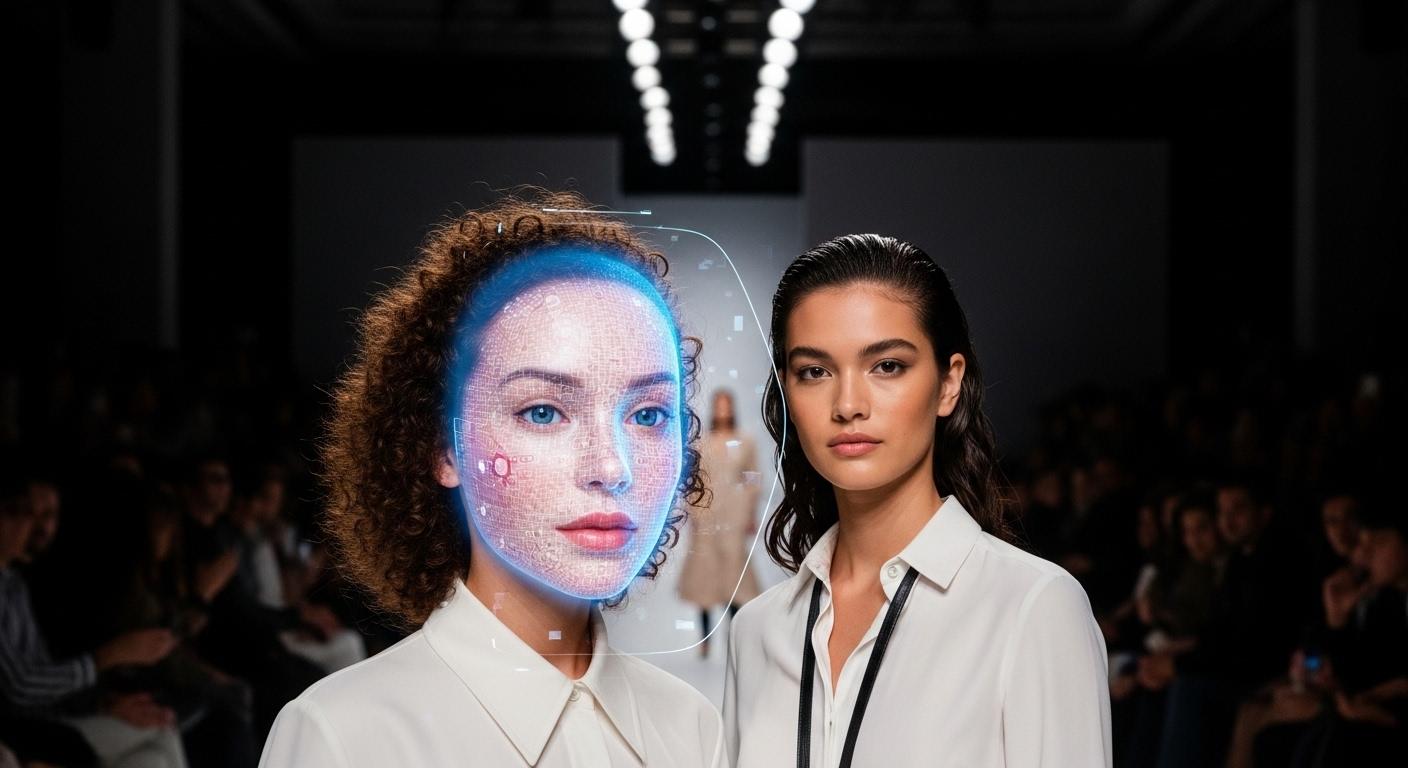
Market dynamics underscore a tension between speed and authenticity. On one hand, brands seek scalable campaigns that reach diverse audiences across platforms; on the other, they face reputational risk when synthetic or misrepresented imagery appears to distort reality. The case involves not only local campaigns but also international partnerships that use Brazilian talent in ways that may complicate consent regimes and cross-border rights. Instances of automated face-swapping or virtual influencers raise urgent questions about disclosure, attribution, and the economics of client-side advertising. When deepfake-enabled content outpaces policy, the burden falls on advertisers to vet supply chains, ensure consent, and secure verifiable rights to any representation. In a Brazilian market known for its expressive modeling culture, maintaining authenticity while embracing innovation will require careful governance and disciplined brand stewardship.
Industry observers note that a prudent path blends investment in real talent development with responsible use of virtual assets. This approach helps protect reputations while still enabling brands to experiment with new storytelling formats that reflect Brazil’s diverse cultures and aesthetics. The practical takeaway is that ethical risk management is not a constraint but a driver of long-term competitiveness in a crowded, digitally connected market.
Paths Forward: Policy, Industry Collaboration, and Talent Empowerment
The road ahead involves balancing experimentation with accountability. Policymakers could publish guidance on synthetic media, consent, and data rights in fashion and media contexts, while industry bodies define model-specific licensing models and revenue-sharing norms. Collaboration among agencies, brands, educational institutions, and technology providers can yield responsible AI frameworks that preserve career pathways for talent and reliability for campaigns. A practical blueprint might include a portable contract standard, a registry of consent and rights for likeness usage, and clearly defined sunset clauses for AI-driven assets. In parallel, investment in upskilling for models—ranging from public speaking and social media management to understanding contract terms—can reduce information asymmetries and empower creators to negotiate from a position of knowledge rather than dependence.
Ultimately, success will hinge on an ecosystem that values talent, respects consent, and aligns incentives among brands, platforms, and agents. Brazil could position itself as a regional leader in responsible modeling practice by fostering transparent partnerships, supporting local talent development, and embedding governance checks in every stage of the creative process.
Actionable Takeaways
- Companies should conduct due diligence on AI uses in modeling and advertising, ensuring explicit consent and clear rights to likeness and data.
- Regulators should publish practical guidelines for synthetic media, transparency, and accountability in the creative economy.
- Agencies and models should agree on fair compensation and portable rights that survive project changes and platform shifts.
- Brands should invest in authentic Brazilian talent development and require disclosures when using AI-generated imagery.
- Technology platforms should provide tools for consent management, data provenance, and verifiable rights across campaigns.
Source Context





Leave a Reply