

Updated: April 15, 2026
In Brazil, how Models Brazil navigate platform-driven opportunities, labor shifts, and the surge of digital imagery reveals a broader story of adaptation in a talent economy shaped by social media, sponsorships, and global demand for diverse representation.
Contextual forces reshaping Brazilian modeling
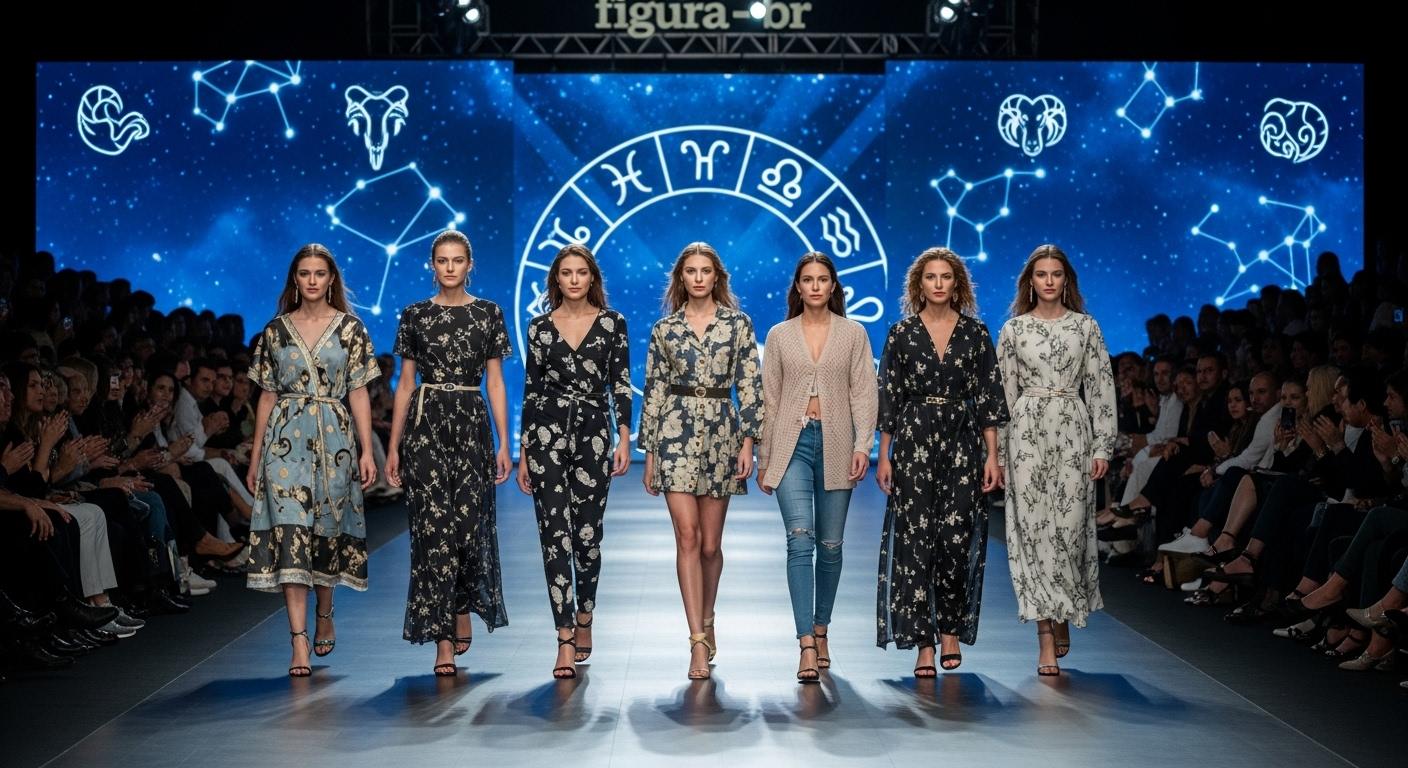
Brazil’s modeling scene has long thrived on a mix of traditional agency work and high-voltage campaigns across fashion, beauty, and lifestyle sectors. Today, the rise of social platforms and data-driven marketing expands access to opportunities, letting aspiring talents showcase portfolios without waiting for a single casting call. This shift creates both opportunity and risk: brands can discover talent more quickly, but models confront opaque terms, fluctuating pay, and pressure to manage an online persona alongside a physical presence on shoots and runways. The result is a double layer of demand—hiring managers seek both recognizable faces and fresh, locally grounded creators—while models must balance visibility with sustainable, long-term earning potential.
For Brazil, the implications run beyond individual careers. Market dynamics increasingly reward versatility—models who can articulate a personal brand, collaborate with photographers and creators across regions, and adapt to hybrid formats coupling live fashion with digital experiences. In this environment, the most durable success emerges from a clear understanding of platform economics, audience segmentation, and the recurring costs of professional development, casting infrastructure, and content licensing. The conversation also circles back to representation: audiences expect accessible, diverse beauty standards that reflect Brazil’s regional variety, from São Paulo’s luxury circuits to Bahia’s cultural energy. Brands that invest in this broader talent ecosystem tend to see longer-term partnerships and more resilient campaigns across seasons and geographies.
Economic and regulatory influences shaping the industry
Economic fundamentals increasingly matter as models monetize across multiple channels—editorial shoots, endorsements, and affiliate marketing—while platforms monetize attention with algorithmic feeds and data-driven targeting. This monetization pressure can push toward shorter-term gigs, yet it also motivates the development of professional standards around contracts, rights, and compensation. Regulatory signals in Brazil—touching on data privacy, image rights, and labor practices—shape how agencies negotiate with talent and how campaigns license usage across media, regions, and timeframes. The broader global policy discourse on AI governance, platform accountability, and digital labor has tangible reverberations here: brands and agencies must translate ambitious regulatory concepts into practical, enforceable agreements that protect models’ rights, ensure transparent remuneration, and clarify licensing boundaries for both traditional media and emerging digital formats.
A practical consequence is a push toward clearer rights assignments and predictable fee structures. As technologies enable more automated editing, synthetic overlays, and virtual appearances, contracts increasingly specify who owns the final creative and how long rights endure. Models and agencies that align their terms with evolving norms—such as clearly defined usage windows, geographic scope, and purpose limitations—create steadier careers and reduce disputes that can derail campaigns at critical moments. In Brazil, this alignment also intersects with labor standards and social protections, encouraging agencies to formalize schedules, overtime protocols, and insurance coverage to safeguard talent throughout busy production calendars.
Digital and virtual models: the frontier of Brazilian talent
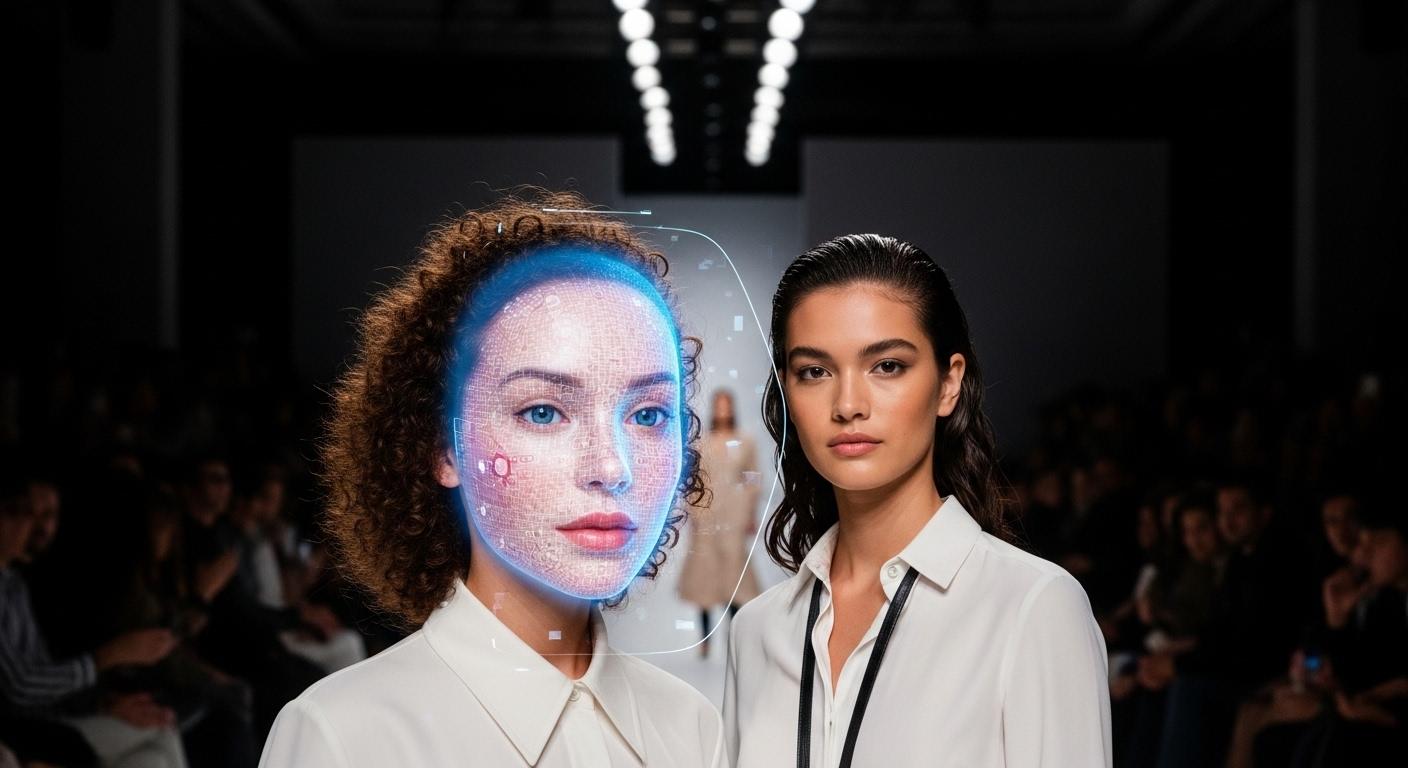
The diffusion of virtual models and CGI-enhanced shoots is not a distant future; it is reshaping how campaigns are authored and experienced. Brazilian brands increasingly experiment with hybrid formats that pair real models with digital elements—ranging from CGI clothing renders to scene-building overlays that extend a campaign’s reach across platforms. This frontier offers efficiency, scale, and creative experimentation, but it also raises questions about consent, rights, and authenticity. Who owns a look when a face is a hybrid of real performance and digital augmentation? How are licensing rights tracked when a single image circulates across social feeds, billboards, and streaming ads? And how do emerging models navigate the ethical considerations of data usage, digital likeness, and the potential for over-saturation in a crowded market?
From a workforce perspective, the shift toward virtual elements can complement human modeling, expanding opportunities for individuals who lack traditional runway credentials but bring distinctive presence or stylistic angles. It also compels educators, agencies, and studios to invest in new skill sets—motion capture, 3D anatomy, lighting for digital composites, and consent-driven workflows that protect both performers and producers. In Brazil’s diverse regional markets, virtual components can help deliver culturally resonant aesthetics while managing logistical constraints in regions with limited production infrastructure. The prudent path blends rigorous rights management with transparent creative briefs, enabling brands to experiment with innovation while maintaining accountability to performers and audiences alike.
Strategy for brands and agencies in Brazil
For brands and agencies operating in Brazil, a practical blueprint emerges from the convergence of platforms, policy, and digital experimentation. First, cultivate a robust hybrid talent strategy that values human skill and digital adaptability. This means investing in local scouting networks across regions, providing ongoing training, and designing portfolios that demonstrate versatility across formats—from live fashion events to short-form video and stills used across social channels. Second, implement explicit digital rights and licensing terms that match the campaign’s breadth and duration. Clear usage windows, geographic scope, and perpetual rights where appropriate help prevent disputes and ensure fair compensation for performers. Third, build inclusive recruitment and casting pipelines that reflect Brazil’s rich diversity, while offering fair pay and predictable schedules. Agencies should publish transparent fee structures, clarify overtime expectations, and maintain insurance coverage to protect participants throughout shoots. Fourth, stay attuned to regulatory signals, particularly around data privacy and image rights. Proactive compliance reduces legal risk and strengthens partnerships with brands that prize reliability and long-term collaboration. Finally, monitor platform economics and audience dynamics. Talent development should align with the realities of algorithm-driven distribution, ensuring models can craft personal brands that resonate with both traditional fashion consumers and digital-native audiences.
Actionable Takeaways
- Adopt a hybrid talent strategy that values real-world modeling and virtual/modeling capabilities to broaden campaign feasibility and scale.
- Define digital rights clearly in contracts, including usage scope, duration, and post-campaign rights, to prevent disputes and ensure fair compensation.
- Invest in regional scouting and continuous training to build a resilient talent pipeline that reflects Brazil’s diverse markets.
- Align compensation and working conditions with platform expectations and traditional production calendars, including overtime and insurance considerations.
- Monitor and engage with evolving regulatory discussions on data privacy, image rights, and AI governance to anticipate policy changes and adapt contracts proactively.
Source Context
These sources provide background on governance, regulatory updates, and market dynamics that shape discussions around modeling in Brazil and globally:



Leave a Reply