

Updated: April 15, 2026
In Brazil, shein’s Models Brazil sits at the intersection of a fast-growing e-commerce boom and a modeling ecosystem long tempered by agency-led work and influencer culture. As Shein courts Brazilian consumers with steep discounts and rapid product turnover, local studios, photographers, and agencies are recalibrating how they price talent, schedule shoots, and negotiate deadlines. The outcome isn’t merely a marketing experiment; it could redraw the economics of modeling in a country that treats fashion as both style and industry. This analysis examines the forces at work, the potential shifts for talent pipelines, and the policy and market dynamics that will determine whether Shein’s Brazil ambitions create a lasting imprint on the local talent economy.
Market Context and Shein’s Brazil Strategy
Shein’s push into Brazil leverages a vast, price-sensitive consumer base and a logistics network designed for rapid replenishment. Yet the plan faces friction from local retailers and smaller brands that accuse the global retailer of pressuring margins and setting deadlines that are difficult to meet for fashion shoots. The core tension is not mere price per item; it is how those prices cascade into the terms offered to photographers, studios, and particularly models who are central to product imagery and social campaigns. In Brazil’s competitive market, the appetite for low prices can collide with the needs of a stable workforce, prompting questions about long-term sustainability of model contracts, usage rights, and renewal expectations for campaigns featuring local talent.
Modeling Industry Dynamics in Brazil
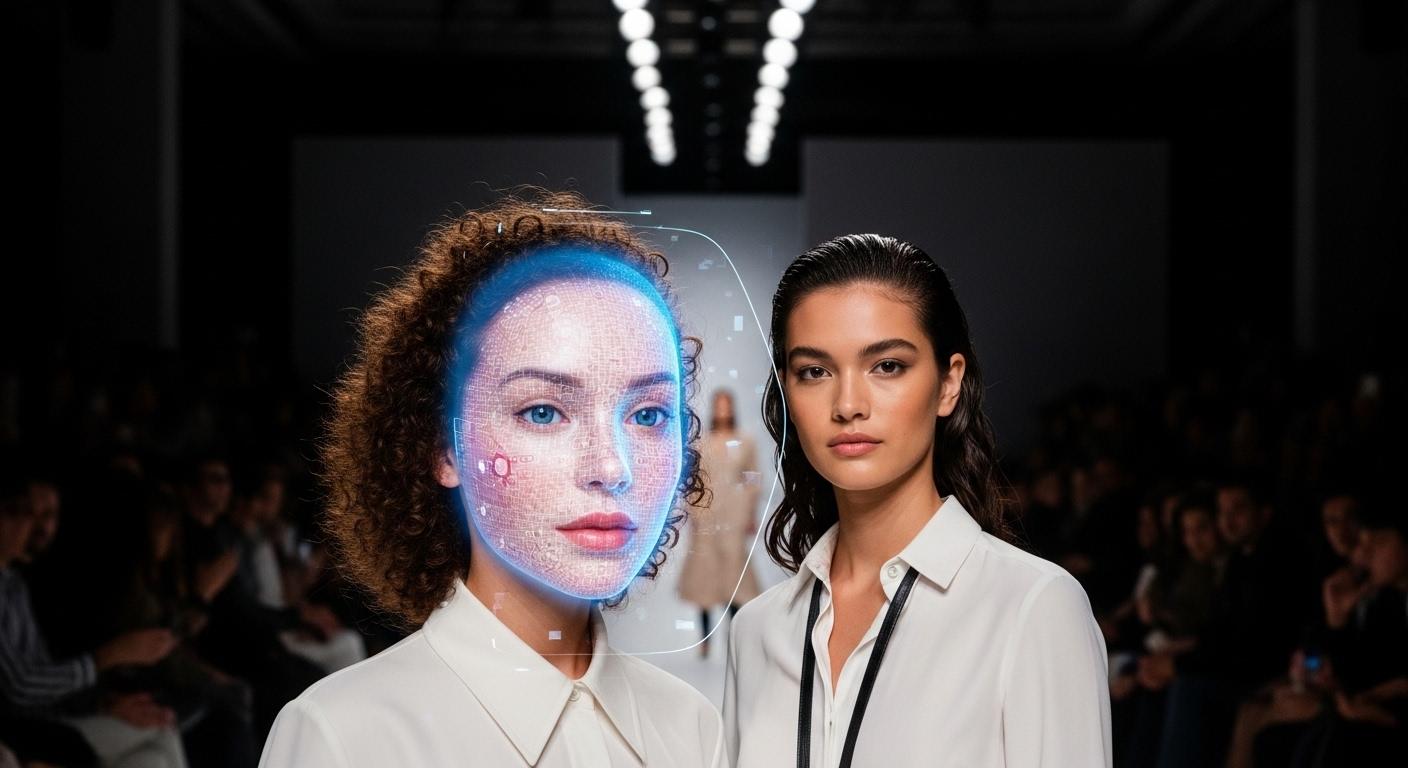
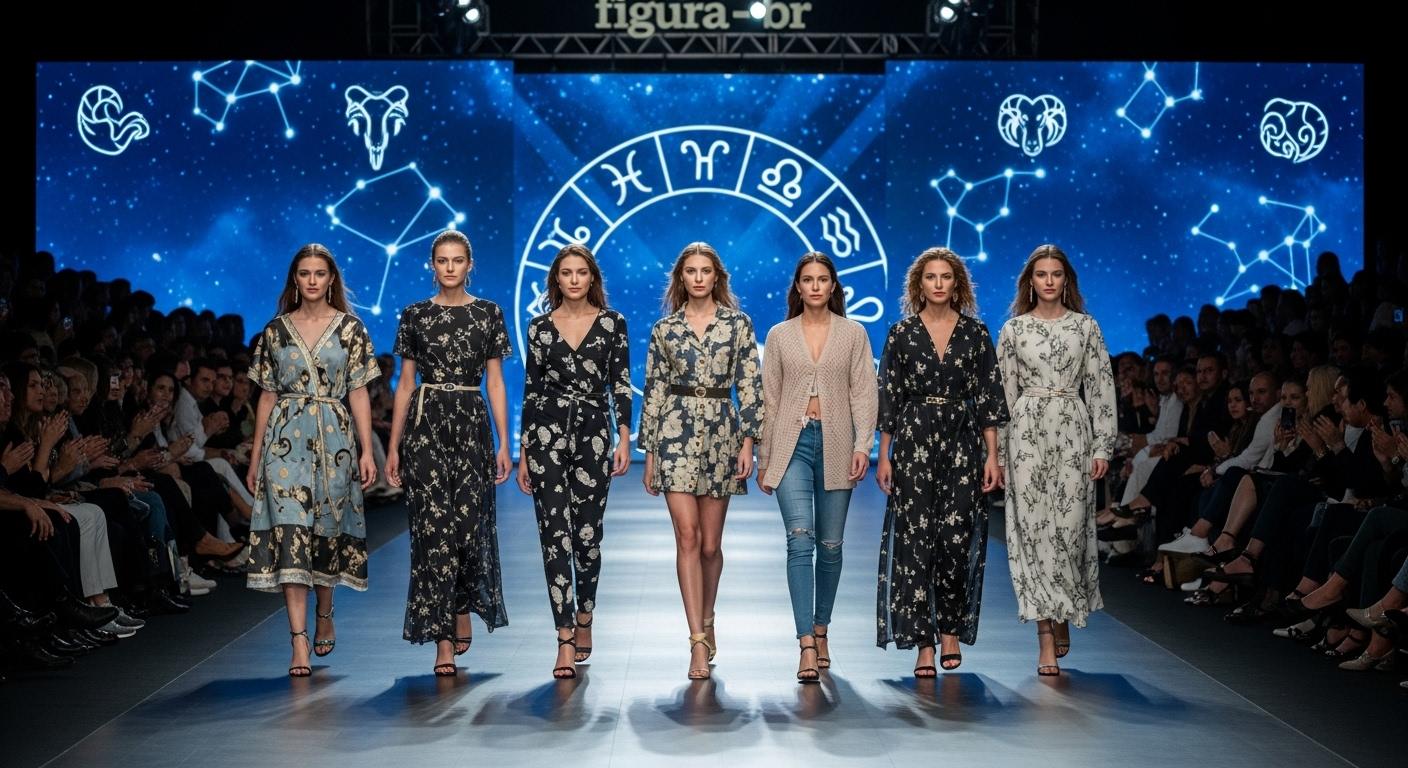
The Brazilian modeling scene blends agencies, freelance talent, and a thriving influencer culture. A program like shein’s Models Brazil could unlock more work opportunities for models who already juggle fashion campaigns and social media growth. But the terms attached to such programs—shoot schedules, exclusivity clauses, and compensation structures—will shape how models and agencies negotiate their position. If the company leans on a large pool of mid-tier and emerging faces, internships in front of the camera could expand, yet compensation parity and clear usage rights will be critical to avoiding a race to the bottom. For many Brazilian talents, visibility on a global platform can translate into new opportunities, but it can also compress the bargaining power of established agencies that historically curate a steady stream of bookings across markets.
Economic and Regulatory Pressures
Brazil’s regulatory and macroeconomic landscape adds complexity to any multinational expansion. Import duties, tax regimes for digital platforms, and currency volatility influence the total cost of doing business for brands, agencies, and photographers who participate in campaigns that rely on local talent. Consumers benefit from competitive pricing, but the broader picture includes the sustainability of local fashion ecosystems: if pricing pressure remains unsustainable, modeling agencies may reduce workforce size or demand more favorable contractual terms for shoot days, location usage, and model exclusivity. Additionally, data privacy and advertising guidelines in Brazil shape how talent data—images, portfolios, and demographic details—are managed when campaigns are translated and distributed across platforms and markets.
Possible Futures for Brazil’s Modeling Scene
Three plausible trajectories emerge from the current mix of expansion, local capabilities, and policy signals. In a best-case scenario, Shein collaborates with Brazil’s established agencies to co-create fair working terms, invest in model development programs, and respect local labor standards. This could uplift a broader swath of talent, improve shoot efficiency, and integrate ethical safeguards that protect models’ rights while still enabling scalable campaigns. A more moderate path might see continued expansion with selective partnerships and continued pricing pressures, which could incentivize efficiency but risk narrowing opportunities for younger or freelance models who lack strong representation. A worst-case scenario could involve aggressive pricing, tight deadlines, and limited transparency around usage rights, potentially eroding a portion of Brazil’s modeling workforce and prompting regulators and industry groups to push back with stronger labor protections and campaign disclosures. Each path depends on negotiation leverage, the pace of regulatory clarity, and the ability of local firms to translate global demand into sustainable modeling opportunities.
Actionable Takeaways
- For modeling agencies: negotiate clear usage rights, fair day rates, and predictable shoot calendars when partnering with global retailers; build tiered contract structures that protect both newcomers and veterans.
- For talent: pursue transparent terms, seekrepresentation that ensures exposure translates into long-term opportunities, and invest in personal branding to diversify revenue streams beyond a single client.
- For brands and platforms: align pricing models with local labor standards, publish campaign guidelines that protect model rights, and establish independent oversight to monitor contract fairness.
- For policymakers and regulators: monitor labor conditions in fast-fashion campaigns, require disclosures on model usage and exclusivity, and consider incentives for ethical talent development in emerging markets.
- For consumers: recognize the market’s impact on workers’ livelihoods and support brands that demonstrate responsible sourcing and fair labor practices across their campaigns.





Leave a Reply