

Updated: April 15, 2026
jaguar Models Brazil enters a new phase as demand for homegrown talent intersects with digital platforms, regional fashion weeks, and global brands seeking local authenticity. The Brazilian modeling scene has long thrived on relationships, scout networks, and seasonal cycles, but today it sits at the intersection of data, branding, and regulatory clarity. This analysis explores how agencies like jaguar Models Brazil are recalibrating to attract diversity, sustain careers, and navigate a rapidly changing market that stretches from São Paulo runways to social media feeds across the country.
Market Overview
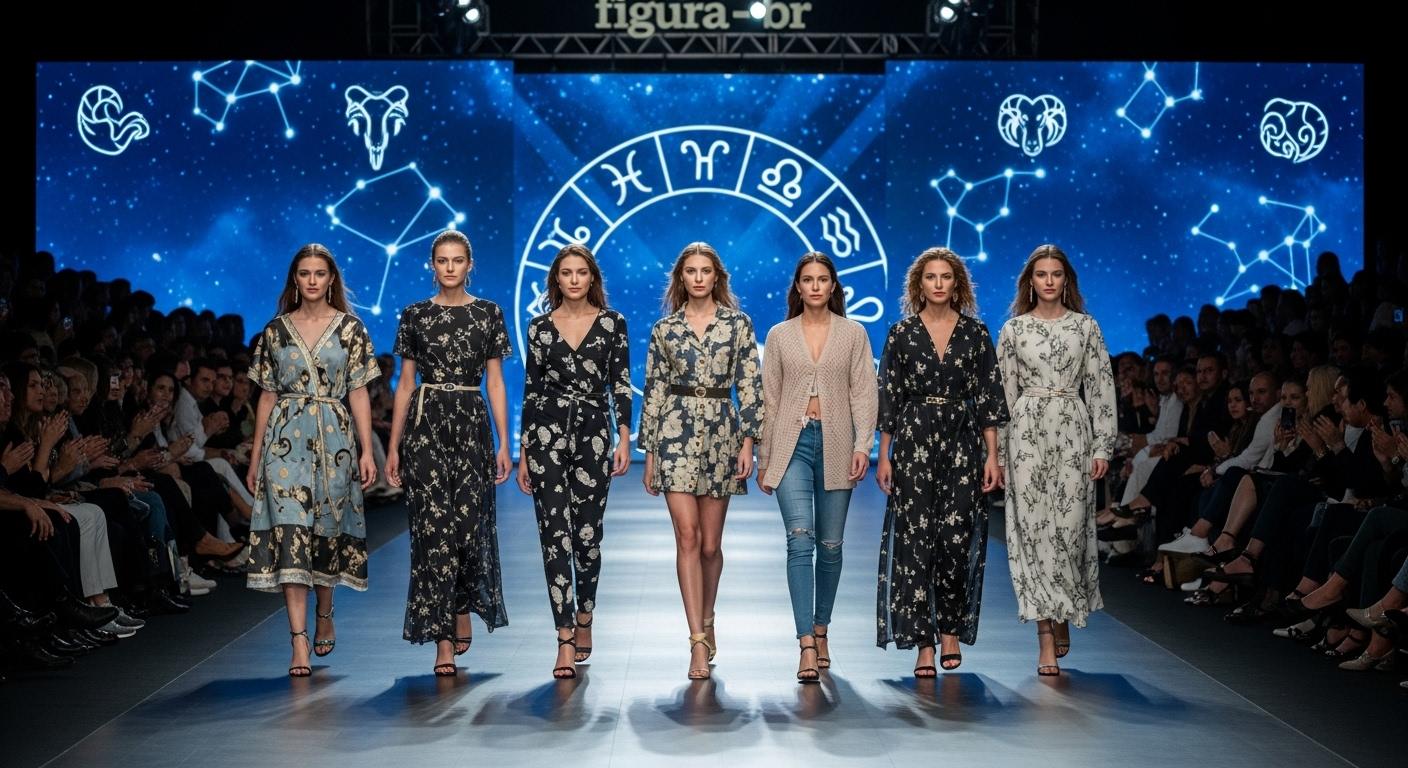
The Brazilian modeling market sits at the crossroads of high fashion, commercial campaigns, and social media monetization. São Paulo and Rio de Janeiro remain the epicenters for major shows, editorial shoots, and international brand presence, but a growing number of regional fashion weeks in Ceará, Minas Gerais, and the South increasingly shape discovery and long-term career trajectories. Talent pools are expanding beyond traditional beauty standards to include a broader range of sizes, skin tones, and gender expressions, aligning with a global shift toward inclusivity. Agencies operating in Brazil must balance the allure of fresh faces with the discipline of contracts, rights management, and long-term viability for models who increasingly demand portfolio diversity, stable earnings, and career longevity.
For jaguar Models Brazil, the market means building a scalable pipeline: scouting across urban centers and university campuses, maintaining robust social portfolios, and delivering reliable bookings that span fashion campaigns, commercial catalog work, and appearances at brand events. The business landscape is shaped by budget cycles in advertising, the cadence of fashion weeks, and the rising importance of content creation as a monetizable skill. In this environment, agencies that can fuse traditional scouting with data-informed talent management stand a better chance of sustaining models through rapid seasonality and evolving brand demands.
Digital Transformation and Branding
Digital platforms have transformed how models become known and how agencies cultivate sustainable careers. Instagram, TikTok, and emerging video-first formats are no longer supplemental; they are central to a talent’s marketability. A modern agency like jaguar Models Brazil must help models curate compelling editorial reels, test shoots, and runway-quality portfolios while negotiating usage rights, licensing terms, and long-term image control. The practical implication is a shift from one-off photo shoots to continuously updated digital catalogs that airlines, retailers, and luxury houses can reference in real time. This shift also elevates the role of personal branding—models now influence casting decisions, negotiate collaboration terms, and participate in content that extends beyond traditional campaigns.
Consequently, scouting has become more democratized and more data-driven. Agencies increasingly rely on regional networks, analytics dashboards, and talent accelerators that map attributes such as versatility, language skills, and audience engagement. For jaguar Models Brazil, the opportunity lies in curating a high-visibility, diverse roster that can fluidly transition between editorial work and social content, while maintaining the professional discipline required for high-stakes shoots and international campaigns. This dual track—editorial credibility paired with digital reach—appears to be essential for models seeking global relevance in a Brazilian context.
Labor Rights, Regulation, and Industry Ethics
Brazil’s labor framework and industry norms place a premium on ethical practices, fair compensation, and clear contractual terms. The modeling sector frequently navigates a patchwork of freelance arrangements, short-term bookings, and agency-managed campaigns, which can complicate eligibility for benefits, social security, and tax compliance. A mature ecosystem requires transparent contracts, clear payment timelines, and defined responsibilities for travel, lodging, and makeup artistry. When models are under 18, guardianship rules, consent, and education considerations add further layers of complexity that agencies must manage with diligence. In this environment, jaguar Models Brazil has a responsibility to advocate for model protections, standardized agreements, and continuing professional development that aligns with Brazilian labor standards and global best practices.
Regulatory clarity also matters for international collaborations. Brands seeking to deploy Brazilian talent across Latin America or North America must navigate visa, work-permit, and cross-border fee arrangements, as well as cultural due diligence. A disciplined approach to compliance reduces the risk of disputes and protects the reputation of both the agency and the talent. The ethical baseline is preserved when contracts spell out front-end expectations, residuals, and post-campaign rights, ensuring talent can evaluate opportunities with confidence rather than relying on informal negotiation power alone.
Global Fashion Context and Local Opportunities
Brazil sits at a strategic nexus for global fashion, bridging Latin American aesthetics with European and North American markets. Local agencies, including jaguar Models Brazil, can leverage this position by developing partnerships with international scouts, participating in joint show productions, and offering cross-border training—language skills, styling versatility, and portfolio diversification—that make models attractive to global clients. The local advantage includes a rich cultural and stylistic vocabulary that resonates across campaigns centered on beauty, lifestyle, and heritage. However, it also requires disciplined investment in sustainable practices, ethical sourcing, and responsible casting that aligns with the evolving expectations of brands and consumers worldwide.
Inclusion, sustainability, and responsible leadership are increasingly non-negotiable. Agencies that demonstrate progress in these areas—from inclusive casting to environmentally conscious shoot productions—are more likely to attract long-term partnerships with brands seeking authentic regional voices. The Brazilian market’s ability to deliver such capabilities depends on a coordinated approach: grooming talent with international reach, partnering with fashion weeks to showcase diverse portfolios, and cultivating relationships with retailers who view models as long-term ambassadors rather than one-off contributors. For jaguar Models Brazil, success hinges on balancing market-specific demands with global standards that elevate the agency’s credibility and the careers of its models.
Actionable Takeaways
- Invest in diversified, high-quality digital portfolios that reflect both editorial uniqueness and commercial versatility.
- Standardize contracts, payment terms, and rights management to protect models and reduce disputes.
- Build partnerships with local fashion weeks and international studios to expand exposure and booking opportunities.
- Prioritize inclusive casting, ethical shoots, and sustainable production practices to align with global brand expectations.
- Develop cross-border training programs (languages, styling, and media handling) to unlock international markets for Brazilian talent.
Source Context
The following sources provide broader context on Brazil’s labor framework, market dynamics, and global fashion trends that influence modeling agencies like jaguar Models Brazil. They complement the analysis with official data and industry perspectives:
Brazilian statistics and economic context (IBGE)
Brazilian labor regulations and protections (Ministério do Trabalho)
Latin American fashion market insights (Vogue Business)
Global fashion industry perspectives (Business of Fashion)






Leave a Reply