

Updated: April 18, 2026
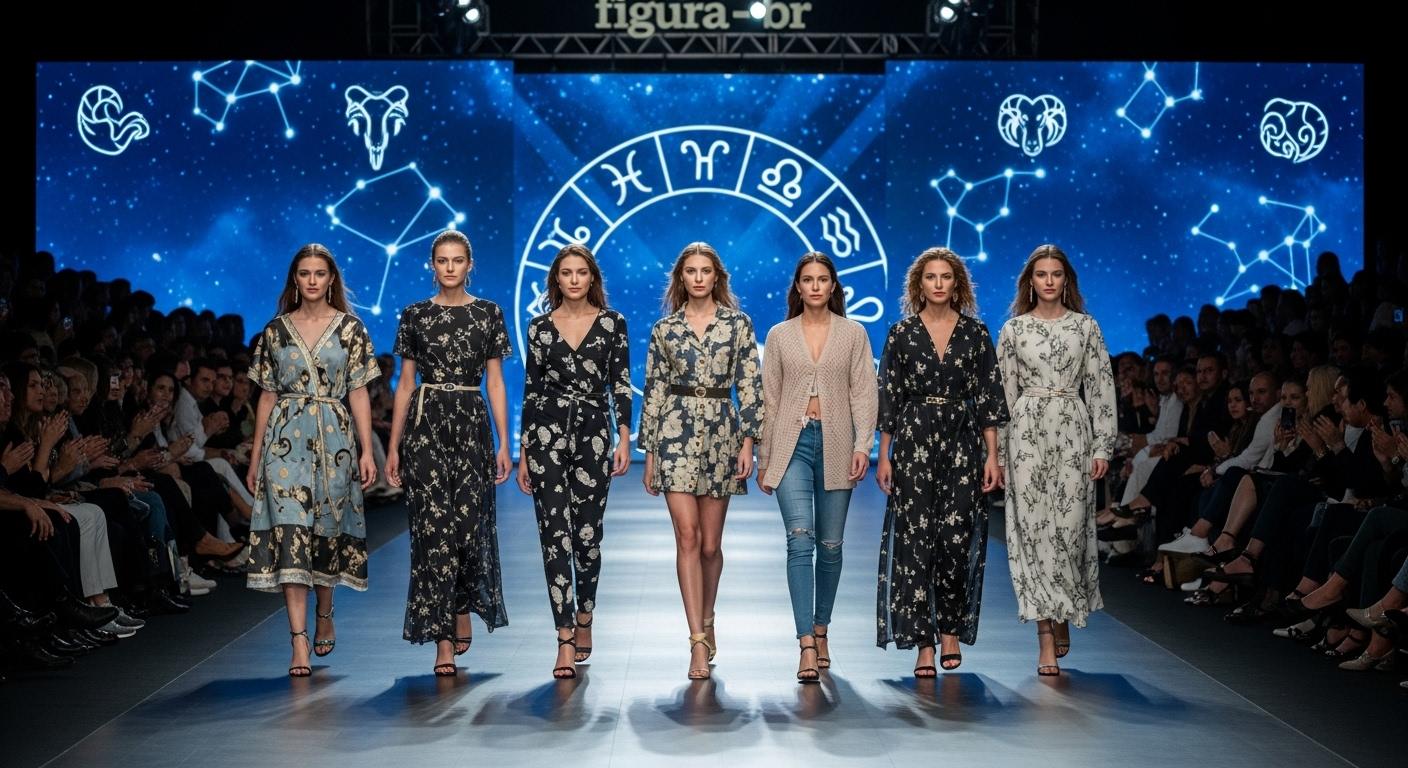
Brazil’s modeling scene sits at a crossroads where traditional runways meet algorithmic casting and social media analytics. The phrase brazillian Models Brazil signals not only a national pool of talent but a global proposition shaped by agencies, brands, and new technologies. This piece explores how Brazil’s model ecosystem is being recalibrated by digital platforms, data-driven decisions, and the shifting expectations of both local stakeholders and international buyers. The analysis emphasizes context, causal links, and scenario framing to map where opportunities and risks converge for models, agencies, and the industry at large.
Market dynamics: talent, demand, and diversification
The core of Brazil’s modeling economy remains talent—an aging market of long-standing agencies in Rio de Janeiro and São Paulo, now supplemented by a broader, more diversified pipeline. Traditional scouting through fashion weeks, boutique agencies, and established casting calls persists, but there is growing reliance on social media reach, influencer ecosystems, and micro-casting to identify faces who resonate with online audiences. Brands increasingly expect models to bring an audience as much as a portfolio, reframing the value proposition from mere appearance to audience-building potential. This shift expands opportunities for regional talent outside the historic metropolitan centers and encourages agencies to invest in local scouting networks, language versatility, and cross-border collaboration. At the same time, the demand for Brazilian faces is distinctly global: brands seek Latin American authenticity, but with a cosmopolitan polish that translates across markets from Milan to São Paulo, Lagos to Lisbon. The result is a talent market that can be more dynamic yet simultaneously more segmented, with earnings tied to a model’s ability to navigate multiple markets and platforms, not just a single agency roster.
Technology, data, and the modeling ecosystem
Technology is no longer a backend support for modeling; it has become a mainstream driver of casting, fit, and brand alignment. AI-assisted casting, for example, enables agencies to compare facial attributes, body measurements, and audience fit against brand briefs across hundreds of candidates within hours rather than weeks. Data about engagement rates, follower demographics, and content performance increasingly informs who gets invited to a shoot or booked for a campaign. For Brazilian models, this means a more explicit link between personal branding offline and digital presence online. Agencies that succeed at this integration tend to offer training in social-media management, content creation, and basic analytics, helping models cultivate a sustainable brand beyond a single campaign. However, there are cautions: overreliance on quantitative metrics can undervalue distinctive presence, storytelling, and cultural nuance. The modeling industry must balance data-driven casting with human judgment—recognizing that a model’s resonance often extends beyond likes and views to real-world impact on a brand’s narrative and consumer trust.
Policy, labor rights, and the economics of modeling
Labor dynamics and compensation structures in modeling are an ongoing area of debate in Brazil and globally. As the modeling job mix shifts toward freelance contracts, short-term shoots, and agency-led bookings, questions about fair pay, contract clarity, and working conditions gain prominence. Brazilian industry groups and individual agencies are increasingly prioritizing transparent rate sheets, advance payments, and standardized terms to reduce ambiguity for both newer entrants and veteran models. The regulatory environment—whether through labor codes, tax status for independent contractors, or agency oversight—shapes how revenue is distributed along the value chain. In this context, models who can navigate multifaceted contracts, negotiate for favorable terms, and assert ownership over their digital rights stand a better chance of long-term financial stability. This is especially relevant as portfolio value expands into digital compilations, virtual lookbooks, and personalized brand collaborations that persist beyond a single campaign.
Global demand and regional identity: balancing authenticity and scale
Global brands increasingly seek models who embody Latin American style without overfitting to a single stereotypical look. The Brazilian market benefits from a rich pool of diversity—different skin tones, body types, and cultural expressions—yet faces pressure to align with international aesthetics and fashion storytelling. For models, this tension creates opportunities to craft a personal narrative that remains authentic to Brazilian roots while being adaptable to global campaigns. Agencies can capitalize on this by investing in education about cross-cultural engagement, language skills, and market-specific branding, enabling models to move fluidly between regional campaigns and international runways. The broader effect is a more resilient modeling ecosystem that can weather shifts in fashion cycles, brand brief changes, and platform-driven fluctuations in demand.
Actionable Takeaways
- Adopt transparent, standardized contracts and clear compensation structures to attract and retain top talent while reducing disputes over pay and rights.
- Invest in digital literacy for models, including content strategy, privacy best practices, and understanding data they generate on social platforms.
- Balance data-driven casting with qualitative assessments of presence, storytelling ability, and cultural nuance to preserve brand resonance.
- Develop regional scouting hubs to broaden the talent pool beyond traditional centers, pairing local insight with global brand briefs.
- Prioritize digital rights management and revenue sharing for online campaigns, lookbooks, and synthetic media to ensure ongoing value for models.
Source Context
For readers seeking broader context on Brazil’s fashion and modeling landscape, the following sources offer complementary perspectives:






Leave a Reply