
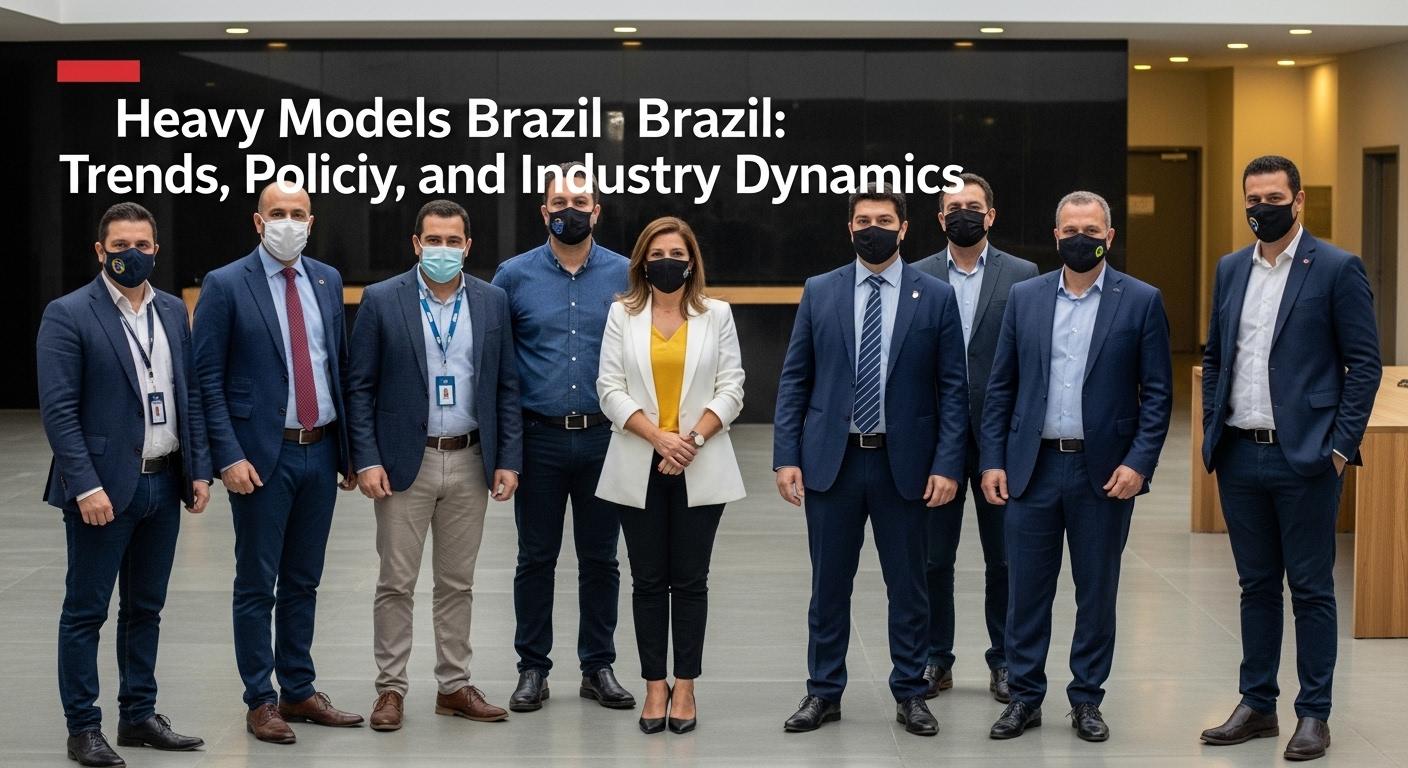
Amid Brazil’s vibrant fashion scene, heavy Models Brazil are increasingly moving from backstage anonymity to the mainstream spotlight. The shift signals more than changing silhouettes on runways; it marks a reckoning with consumer expectations, brand storytelling, and the economics of an industry in flux. As retailers recalibrate inventories and campaigns toward inclusive sizing, the question becomes how deep and lasting this trend will be. This analysis explores the drivers behind heavier modeling representation in Brazil, the technological and logistical rails supporting it, and the strategic choices brands and agencies must make to convert visibility into sustainable business.
Mercado e Diversidade: o que heavy Models Brazil revela
Brazil’s fashion economy has long celebrated a spectrum of beauty standards, yet the iteration of heavy Models Brazil indicates a maturation in consumer appetite and brand strategy. The rise of plus-size models in campaigns, lookbooks, and editorial shoots points to shifting demand from a narrow ideal to a broader, more inclusive narrative. Agencies report that retailers are testing inclusive lines across categories—athleisure, swimwear, outerwear—everywhere from regional capitals to São Paulo and Rio. This diversification influences casting decisions, sourcing networks, and even the logistics of show production. On the supply side, bodies of different sizes present both challenges and opportunities: fitting garments, standardizing measurement profiles, and training casting directors to identify commercial potential beyond traditional runways. On the demand side, Brazilian audiences are increasingly receptive to authenticity; social media amplifies voices of plus-size influencers, and campaigns that feature diverse bodies tend to resonate with local markets and with tourists buying into a Brazilian fashion identity. In short, heavy Models Brazil reflects a broader consumer shift and a more nuanced business case for inclusivity.
Tecnologia, dados e o novo ecossistema de modelos
The casting and representation ecosystem for heavy Models Brazil is increasingly data- and tech-enabled. Brands use social-media analytics to gauge resonance with campaigns featuring diverse silhouettes, while agencies deploy remote auditions and standardized measurement catalogs to widen talent pools without inflating travel budgets. Digital tools also reshape how campaigns are conceived: virtual lookbooks, try-on tech, and AI-assisted matching help ensure that models’ portfolios align with brand aesthetics and campaign objectives. Yet tech brings cautions. Biases in data sets can skew casting toward familiar archetypes, underscoring the need for deliberate human oversight and diverse casting panels. The result is a hybrid model: human judgment guided by analytics, expanding reach to regional markets while maintaining brand safety and creative integrity. In practice, the tech layer lowers barriers to entry for regional models and accelerates the pace at which inclusive campaigns can scale across channels.
Cenários econômicos para marcas, agências e designers
Economically, including heavy Models Brazil in campaigns offers a multipronged value proposition. On one axis, inclusive campaigns can unlock new consumer segments in a country where fashion is as much cultural as commercial. Brands that invest in diverse silhouettes often see deeper engagement and longer customer lifecycles, as campaigns feel more representative of local realities. On another axis, the shift pressures agencies to rebuild casting pipelines, negotiate with studios for adaptable fittings, and invest in wardrobe and safety protocols for different body types. This dynamic also interacts with broader macro trends: inflation, currency volatility, and import costs affect production budgets, while e-commerce growth and regional distribution expand the potential ROI of inclusive campaigns. Looking ahead, mid-market brands may pursue partnerships with regional studios and local influencers to compress lead times and cost, while premium houses might leverage high-visibility runway and editorial work to set market standards that others follow. The big question for designers and brand strategists is whether current momentum translates into durable capability across cycles and collections.
Actionable Takeaways
- Prioritize inclusive casting across campaigns and seasons, ensuring representation that mirrors Brazil’s diverse consumer base.
- Develop long-term partnerships with agencies specializing in diverse and heavy-set models to stabilize talent pipelines and reduce casting lead times.
- Invest in data-driven casting practices—combine qualitative creative review with demographic analytics to optimize campaign reach and relevance.
- Adopt remote audition workflows and regional scouting to broaden the talent pool beyond traditional fashion capitals.
- Align wardrobe, styling, and studio capabilities with diverse body types, including fittings, safety, and accessibility considerations on set.
- Balance inclusive campaigns with authentic storytelling, avoiding tokenism by embedding real-life narratives and community voices.
- Measure ROI beyond vanity metrics—track engagement quality, conversion rates, and long-term brand loyalty across diverse campaigns.




Leave a Reply