
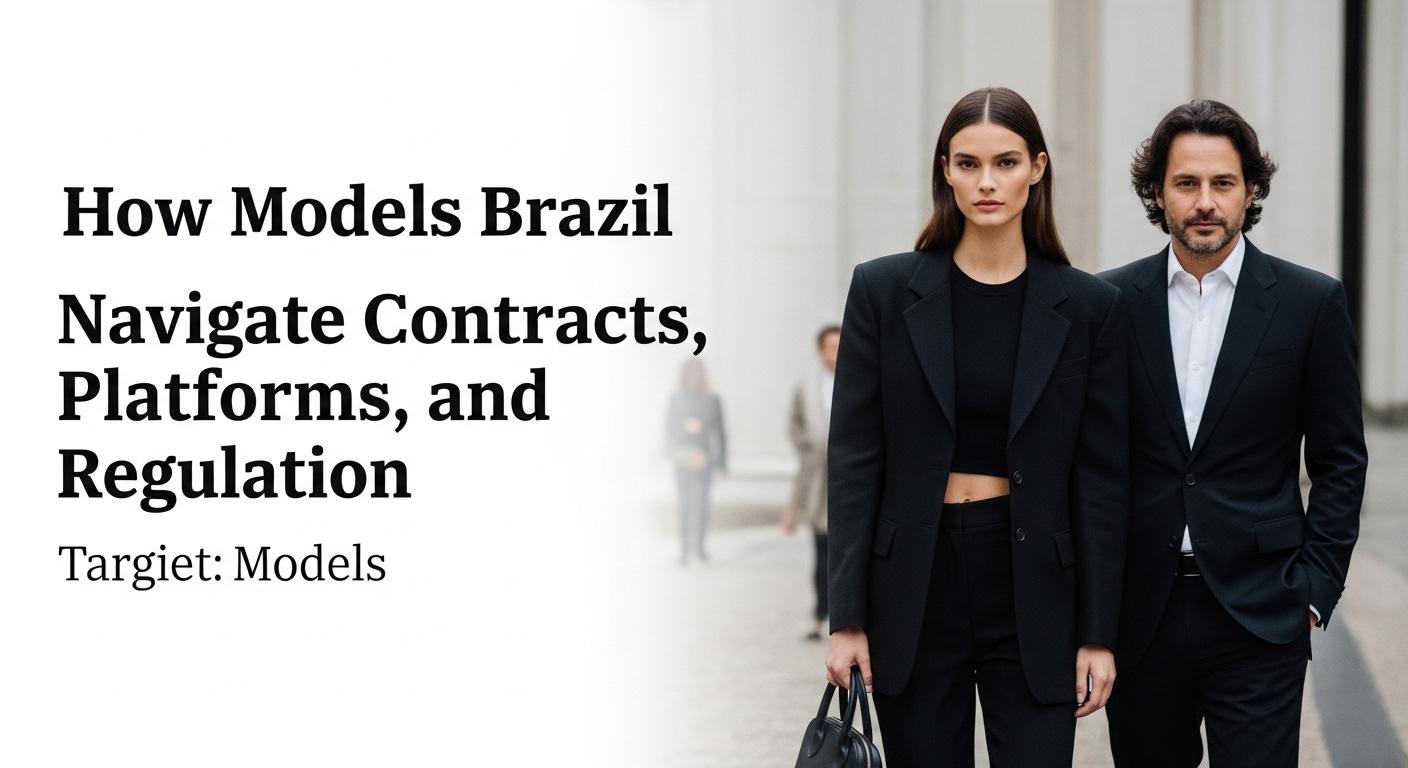
This analysis asks how Models Brazil navigate contracts, brand partnerships, and a digital marketplace that amplifies visibility yet tests legal boundaries. The Brazilian modeling ecosystem sits at a crossroads: global brands demand fast, scalable content; platforms promise rapid earnings but reshape compensation models; and a regulatory environment that still codifies older labor norms challenges new forms of work. By tracing the intersection of talent agencies, platform economics, and regulatory signals, we can map not only immediate risk points for models and agencies but also the arc of how Models Brazil navigate toward greater transparency, fair practice, and sustainable growth.
Market dynamics and contract risk in Brazil
In Brazilian practice, modeling contracts often serve as the primary mechanism through which talent and brands exchange value. Agencies typically provide lead opportunities, negotiate levels of exclusivity, and manage usage rights for photography, runway, and digital campaigns. Yet the legal and commercial terrain is uneven. Some contracts emphasize long exclusivity or broad usage across media, risking diminished future opportunities for the model. Others attempt to minimize guarantees, tying compensation to a producer’s budget rather than a fixed rate. The result is a tension between creative autonomy and commercial predictability. This tension is not exclusive to fashion; beauty, fitness, and influencer-related work increasingly share contract patterns as platforms and brands demand cross-media assets. For models, the practical implication is straightforward: clarity on who owns what, for how long, and for which territories is essential to avoid disputes and to ensure earnings scale with exposure created.
Digital platforms, branding, and value capture
Platforms have accelerated the speed at which fashion and beauty content circulates, but they also reconfigure value capture. Direct-to-consumer collaborations, social-media sponsorships, and licensing for e-commerce or streaming content can create new revenue streams, yet they also transfer risk: terms of use, data rights, and attribution standards vary widely. For models, this means a need to codify who can repurpose an image, for how long, and in what formats. A robust framework differentiates between standard promotional use and broader rights that extend to international markets, merchandise, or user-generated formats. Agencies that help models negotiate layered rights—starting with exclusive offline usage but granting nonexclusive online rights with clear revenue share—tend to fare better as platforms consolidate and demand more flexible content from creators. Brands, too, must balance creative speed with legal diligence, ensuring campaigns respect local labor norms and protect the model’s long-term value, not just the immediate upside of a single shoot.
Regulation, rights, and the question of labor status
The Brazilian regulatory landscape for modeling work sits between traditional labor law and the rising realities of freelance, project-based content work. While many models operate as independent contractors, the risk of misclassification persists, with potential implications for social contributions, tax, and access to benefits. Debates around how to classify commissions, residuals, and long-term rights ownership are ongoing, and they influence negotiation leverage on both sides of the contract. Policymakers and industry bodies have begun to explore clear guidelines for image rights, rights of publicity, and disclosures about earnings and second-use licenses. For practitioners, the lesson is pragmatic: maintain transparent records of agency commissions, ensure that model rights are described with precision, and advocate for standardized disclosures that help new entrants understand the economics of the work before they sign.
Scenario framing: three futures for the Brazilian modeling ecosystem
First scenario: the market remains highly fragmented, with many small agencies and boutique brands. In this world, bargaining power hinges on networked relationships, and formalizing rights becomes slower, but creativity persists. Second scenario: regulatory clarity converts many freelance models into more formal workers or contract-based cohorts, aided by industry associations that advocate for standardized terms and ongoing education. This path could enhance stability and social protections but may increase upfront costs for brands. Third scenario: platforms consolidate influence, driving standardized templates, data-sharing norms, and cross-border licensing that streamline workflows but compress room for bespoke negotiations. Each scenario presents risks and opportunities for different players—models seeking fair royalties, agencies balancing margins with compliance, and brands maintaining agility while respecting local norms. A balanced approach would weave flexible usage rights with transparent compensation schedules, incentivizing longevity in the Brazilian market while avoiding the hollowing-out of individual talent’s bargaining power.
Actionable Takeaways
- Models: insist on written rights scopes, including offline and online usage, duration, and territories; request clear payment timelines and residuals where applicable.
- Agencies: publish standardized model agreements and provide plain-language guidance on rights and royalties; offer pathways to collective bargaining or negotiation training.
- Brands: align campaigns with local labor practices, honor pre-negotiated licensing terms, and maintain transparency around how assets will be used and monetized.
- Platform operators: publish clear terms on data rights, attribution, and cross-border licensing; support fair revenue sharing with creators and agents.
- Policymakers and industry bodies: pursue clear classifications for talent, update image-right norms, and promote education that helps models understand contract economics.








Leave a Reply