
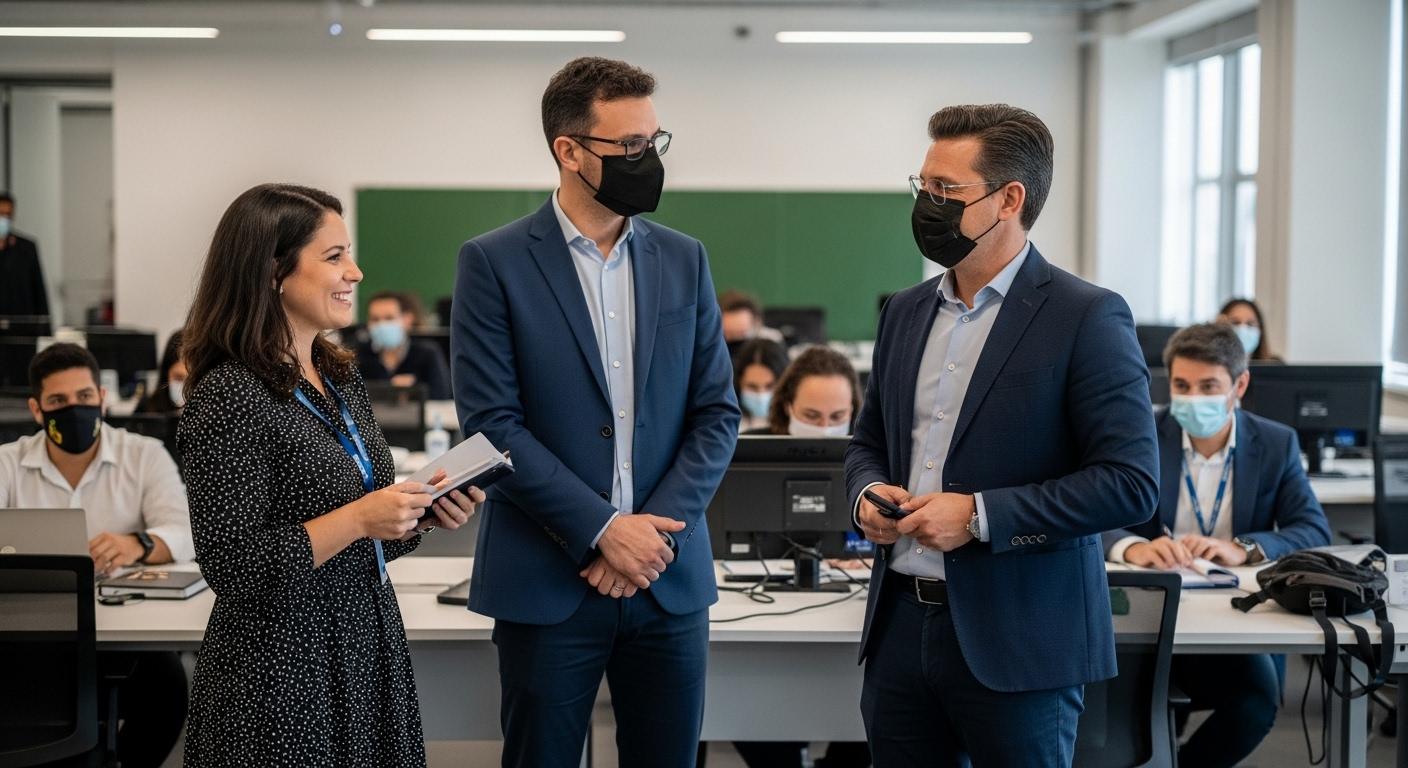
In this piece, how Models Brazil navigate policy, consumer demand, and ethical standards offers a lens on Brazil’s fashion-tech ecosystem as it intersects with AI-driven platforms and global markets. The industry is not merely about glamour; it is a complex labor and data economy where decisions in regulation, platform governance, and brand storytelling ripple through studios, agencies, and courts.
Industry context: modeling in a Brazil embracing AI and digital platforms
Brazil’s modeling sector sits at the crossroads of tradition and disruption. Local agencies balance long-standing labor norms with the rapid ascent of social-media-driven opportunities and remote casting. The pandemic accelerated remote shoots and virtual lookbooks, but the surge in gig-based gigs raises questions about wages, contracted work, and access to social protections. In this environment, the phrase how Models Brazil frames a practical inquiry: are the actors in the ecosystem positioned to negotiate fair compensation while sustaining creative quality? The answer hinges on transparency in contracts, clear disclosure of brand partnerships, and a shared baseline for studio standards. Beyond pay, the industry is contending with data flows—from model releases to digital avatars—that travel across platforms with limited oversight. The Brazil market thus reveals a micro-economy where talent, technology, and trust co-evolve, shaping both opportunity and risk for up-and-coming talents and veteran professionals alike.
Technology, data, and the modeling supply chain
Technology reshapes the modeling supply chain in clear, practical ways. Casting now occurs via algorithmic stacks that sort portfolios by metrics that include reach, engagement, and audience demographics. AI-assisted retouching, synthetic imagery, and virtual fittings accelerate workflows but demand new safeguards: informed consent for data use, explicit permissions for synthetic likenesses, and robust tracking of data provenance. For Models Brazil, the challenge is twofold: ensuring talent privacy while leveraging technology to broaden opportunity. Local studios increasingly partner with platforms that promise broader visibility, yet the power asymmetries in data access can distort bargaining power. The governance question becomes how to equalize access to data literacy, protect model rights, and ensure that automation complements human craft rather than replacing it.
Policy, ethics, and governance implications for Models Brazil
Brazil’s policy landscape—especially data protection and labor regulation—shapes what is permissible and profitable for modeling work. The General Data Protection Law (LGPD) governs consent, usage, and retention of personal data, making models and photographers mindful of privacy exposure. Meanwhile, debates about gig-work classification, portable benefits, and independent contracting influence how contracts are structured across studios and agencies. Ethical considerations extend to representation, consent for image use in international campaigns, and the potential for bias in algorithmic casting. For Models Brazil, a pragmatic path forward combines clear contractual norms, ongoing education on data rights, and mechanisms for redress when platforms or brands overstep. In the long run, governance is not a punitive tool but a framework that fosters sustainable careers, elevates professional standards, and aligns business incentives with creative integrity.
Market dynamics and international exposure
Global demand for diverse fashion narratives creates both opportunity and pressure for Brazilian models. Agencies increasingly curate international portfolios, supporting visa and work-permit navigation, while fashion campaigns seek authentic local voices that resonate across Latin America and beyond. This cross-border exposure can elevate earned incomes but also shifts risk toward currency volatility, travel costs, and regulatory compliance in partner markets. In parallel, Brazil’s own consumer market continues to demand aspirational content tailored to regional tastes. The resulting tension pushes models and studios to invest in bilingual storytelling, cross-cultural styling, and scalable collaboration frameworks. The outcome is a more resilient industry where domestic training pipelines, international networks, and ethical standards converge to sustain growth even as market cycles shift and platforms reconfigure the economics of visibility.
Actionable Takeaways
- Policymakers should prioritize transparent contracts and accessible resources that clarify rights, compensation, and data use for models and studios.
- Studio owners and agencies ought to standardize ethical guidelines for consent, image rights, and platform disclosures to build trust with talent and brands.
- Educators and industry associations should expand curricula on data literacy, privacy, and gig-economy labor practices to prepare models for AI-driven workflows.
- Talent managers should negotiate fair revenue splits, offer portable benefits, and create clear pathways for professional development across domestic and international campaigns.
- Platforms operating in Brazil must publish clear terms of service, ensure compliance with LGPD, and provide accessible channels for dispute resolution.








Leave a Reply