
Behind the Scenes: The Intricate Process of Creating Anime Figure Models
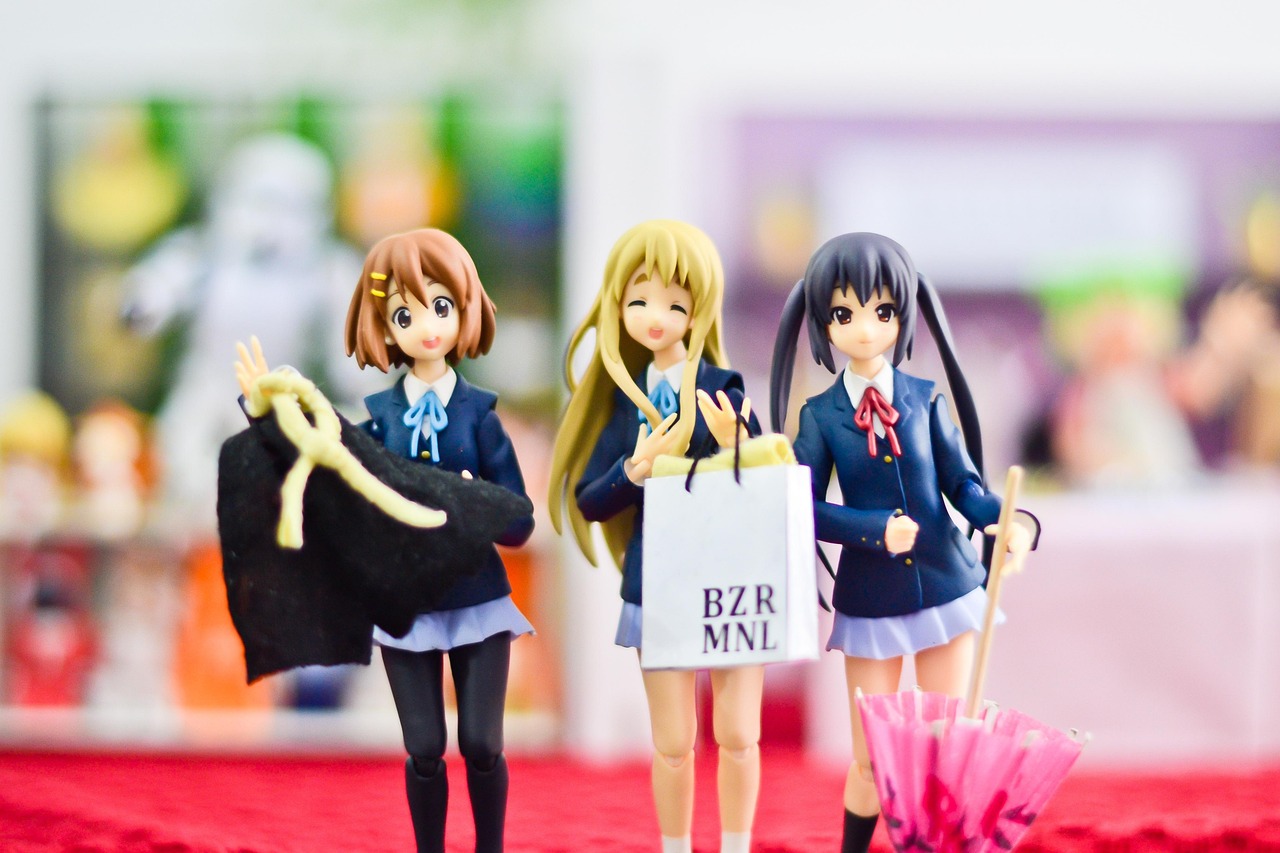
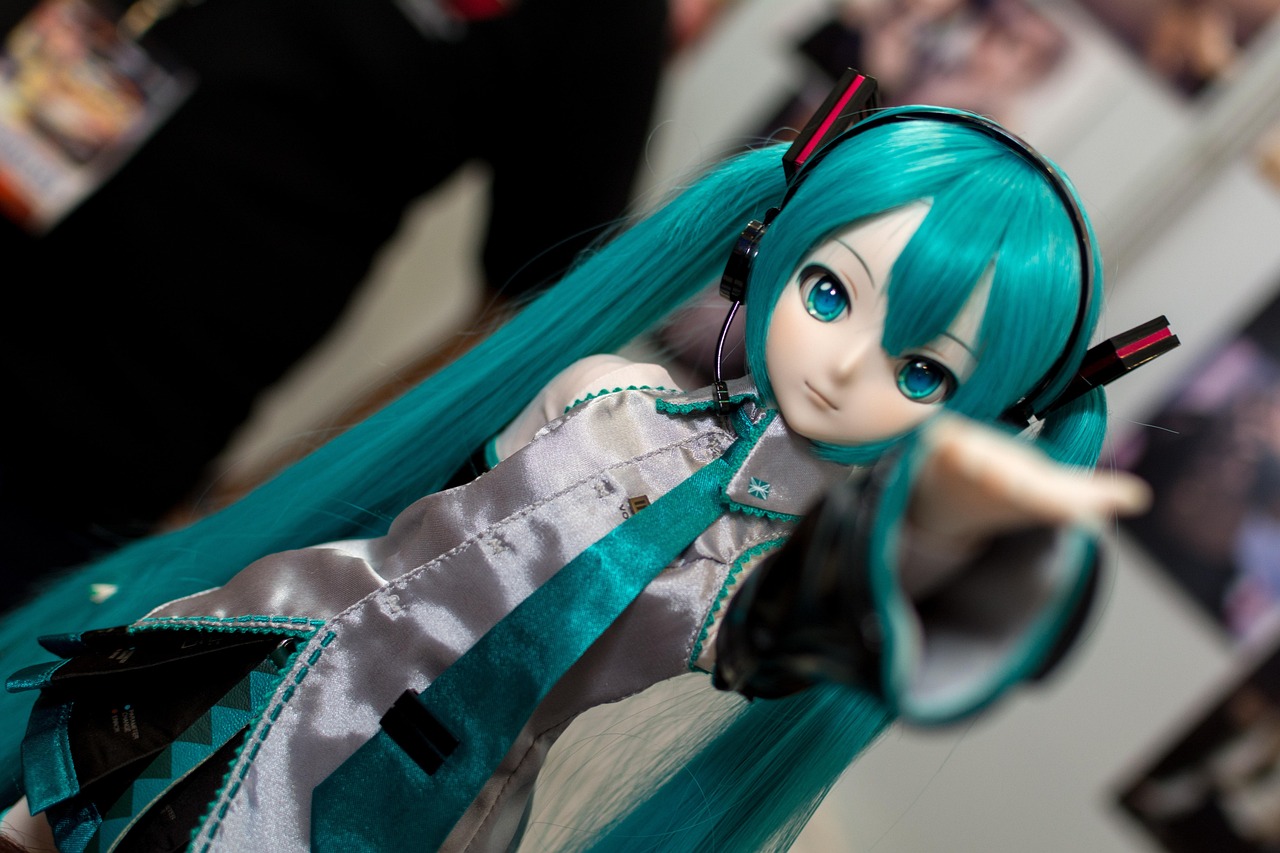
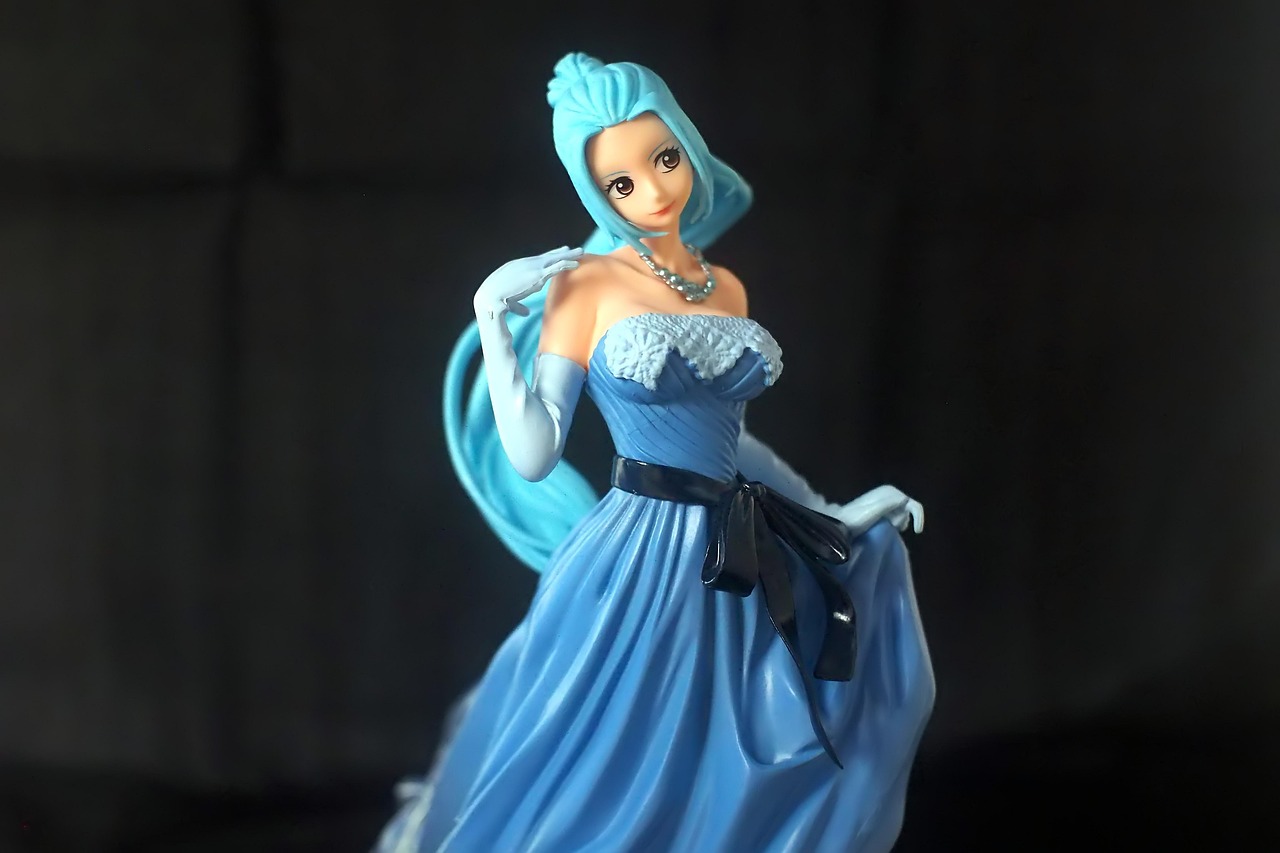
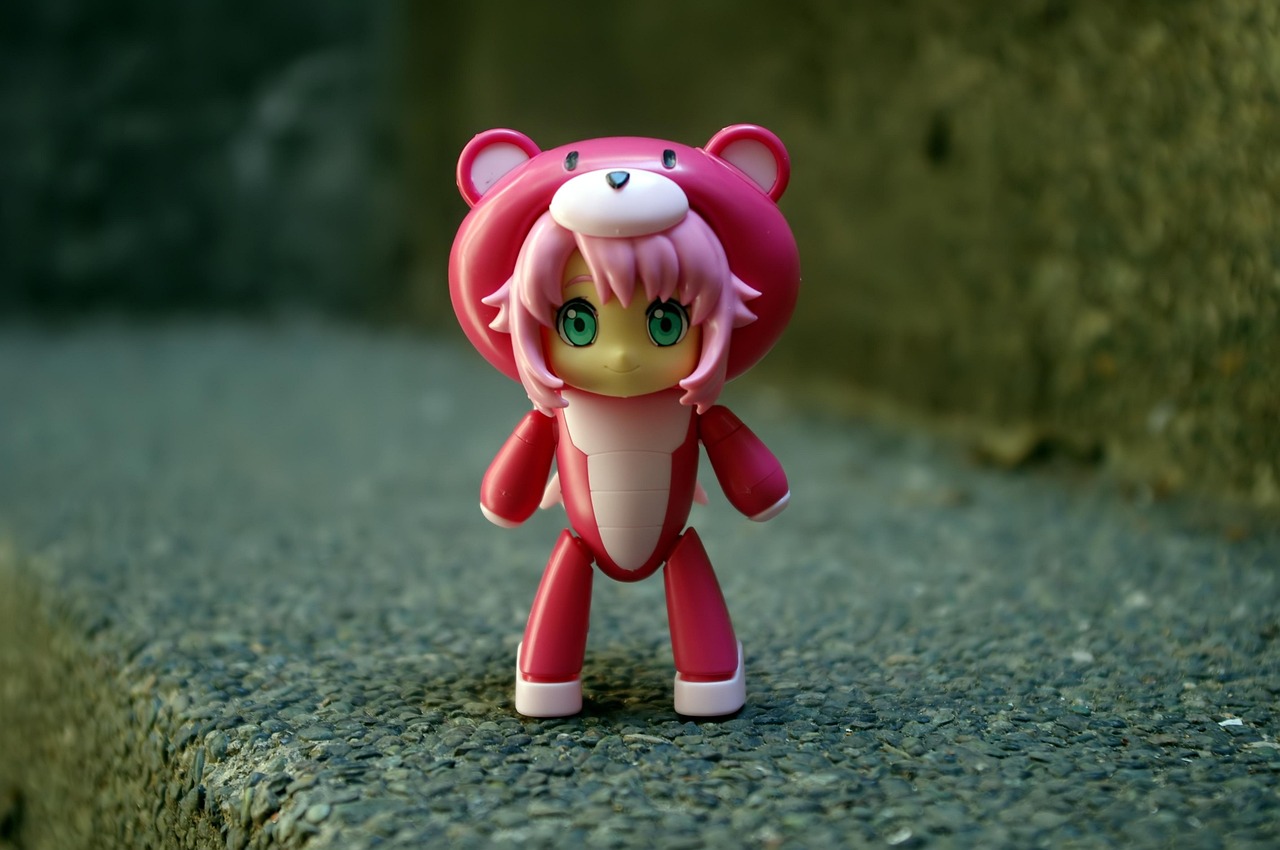
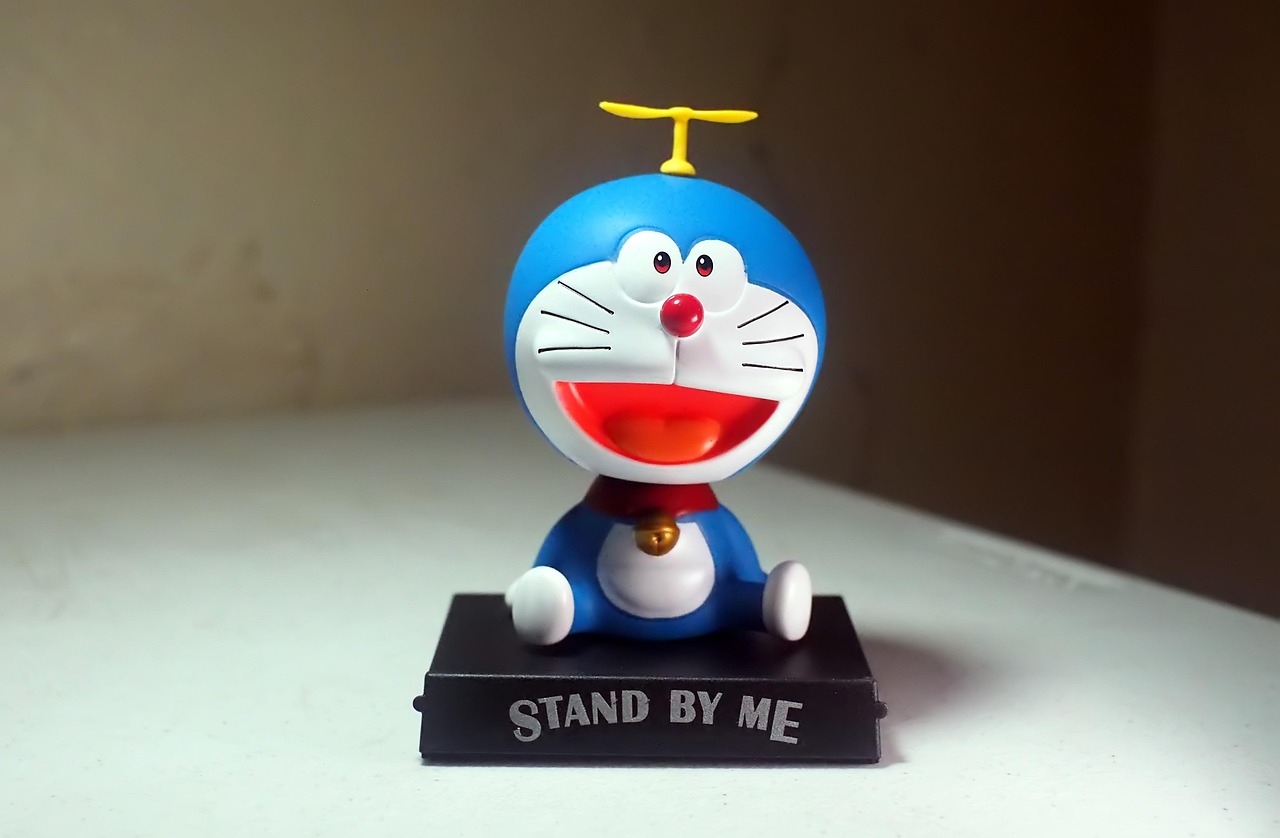
The world of anime figure models is a fascinating realm where art meets precision. These miniature sculptures are not just toys but highly detailed collectibles that capture the essence of beloved characters from anime, manga, and video games. The process of creating these figures is a meticulous journey that combines artistry with advanced technology. In this article, we delve deep into the intricate steps involved in bringing these cherished characters from 2D art to 3D life.
Conceptualization and Design
The journey of an anime figure model begins with the conceptualization and design phase. This stage is crucial as it lays the foundation for the entire project. Designers and artists collaborate to create a concept that is true to the character’s essence while also considering the physical constraints of modeling.
Initially, artists draft sketches and 2D illustrations, capturing various angles and poses. These initial drafts are crucial for setting the tone and ensuring the character’s personality shines through. At this point, designers must decide on the scale and pose of the figure, often referencing scenes from the anime or manga to achieve authenticity.
3D Modeling and Sculpting
Once the design is finalized, the next step is transforming the 2D concept into a 3D model. This is where digital sculptors use advanced software to create a detailed 3D model of the figure. Programs like ZBrush and Blender allow sculptors to craft intricate details, from the character’s facial expressions to the folds in their clothing.
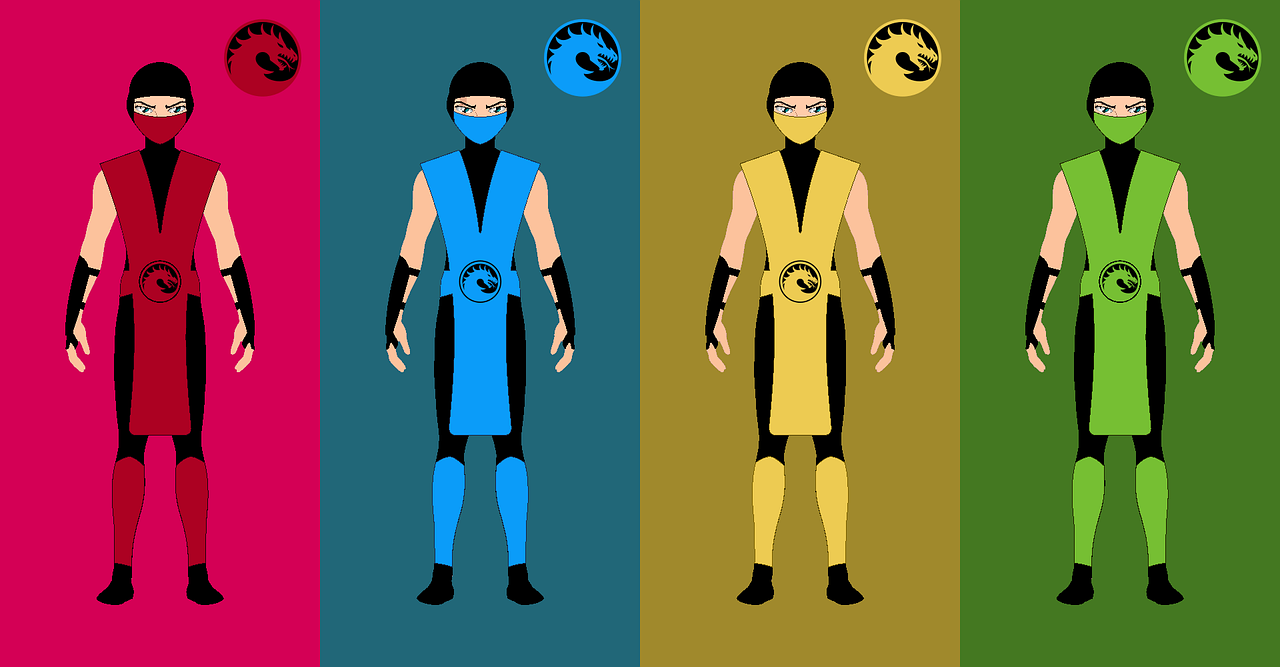
During this phase, sculptors pay close attention to proportions and anatomical accuracy, ensuring that every detail aligns with the original design. This process can take several weeks, as artists frequently return to the drawing board to refine the model and make necessary adjustments.
Prototyping and Material Selection
Once the digital model is perfected, it’s time to create a physical prototype. This is often done using 3D printing technology, which allows for precise replication of the digital model. The prototype serves as a tangible reference for the production team and helps in identifying any design flaws that need correction.
Material selection is a critical aspect at this stage. Most anime figures are made from PVC (polyvinyl chloride) due to its durability and flexibility. However, other materials like ABS (acrylonitrile butadiene styrene) and resin are also used depending on the figure’s complexity and the desired finish.
Molding and Casting
After the prototype is approved, the molding and casting process begins. This involves creating molds for each part of the figure, which are then used to cast the final pieces. The molds are typically made from silicone or metal, ensuring they can withstand repeated use without losing detail.
Casting involves injecting the chosen material into the molds, which then hardens into the shape of the figure parts. This step is crucial for maintaining consistency across all figures in a production run. It requires precision and expertise to ensure that every detail is captured accurately.
Assembly and Detailing
Once all the parts are cast, the assembly process begins. Skilled artisans meticulously piece together the various components, ensuring that each part fits perfectly. This assembly process is often done by hand, as it requires careful attention to detail to avoid damaging the delicate parts.
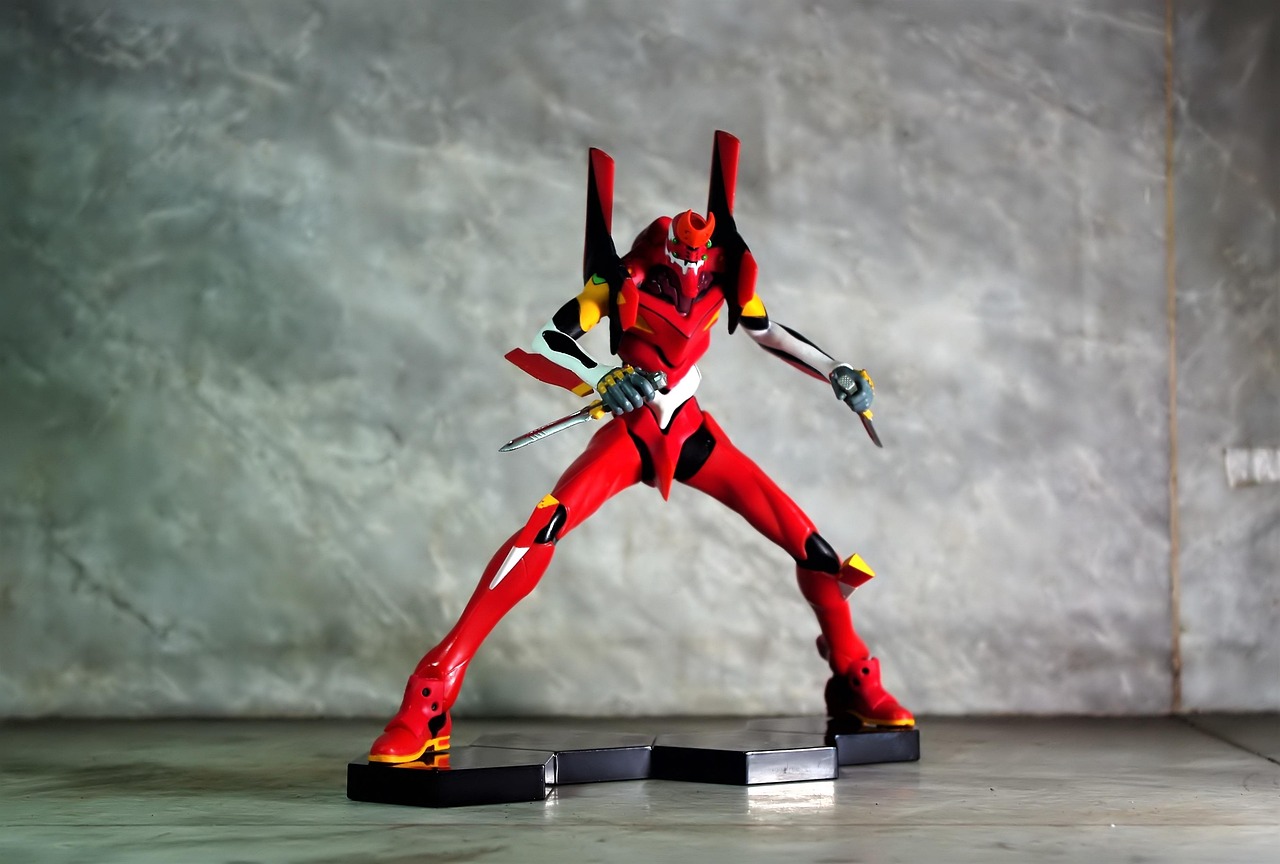
Detailing is what truly brings the figure to life. This stage involves painting and finishing touches that enhance the figure’s appearance. Artists use airbrushes and fine brushes to apply colors, shading, and highlights, replicating the character’s original design. This step can take considerable time, as even the smallest details, like eye expressions and texture variations, require precision.
Quality Control and Packaging
Before the figures are ready for market, they undergo rigorous quality control checks. This ensures that each figure meets the high standards expected by collectors. Inspectors look for any defects, such as paint smudges or improper assembly, and only approve the figures that meet the strict criteria.
Finally, the figures are packaged with care. Packaging is designed to protect the figure during transit while also appealing to collectors. Often, the packaging itself is a work of art, featuring illustrations and designs that complement the figure inside.
The Role of Technology in Anime Figure Production
Technology plays a significant role in modern anime figure production. Innovations in 3D modeling software and printing have revolutionized the industry, allowing for greater precision and efficiency. Moreover, advancements in materials technology have led to more durable and detailed figures, enhancing the collector’s experience.
Additionally, the use of augmented reality and digital previews has started to influence the design and marketing of anime figures. Collectors can now view potential purchases in 3D through their devices, providing a richer understanding of the figure’s details before purchase.
The Collector’s Perspective
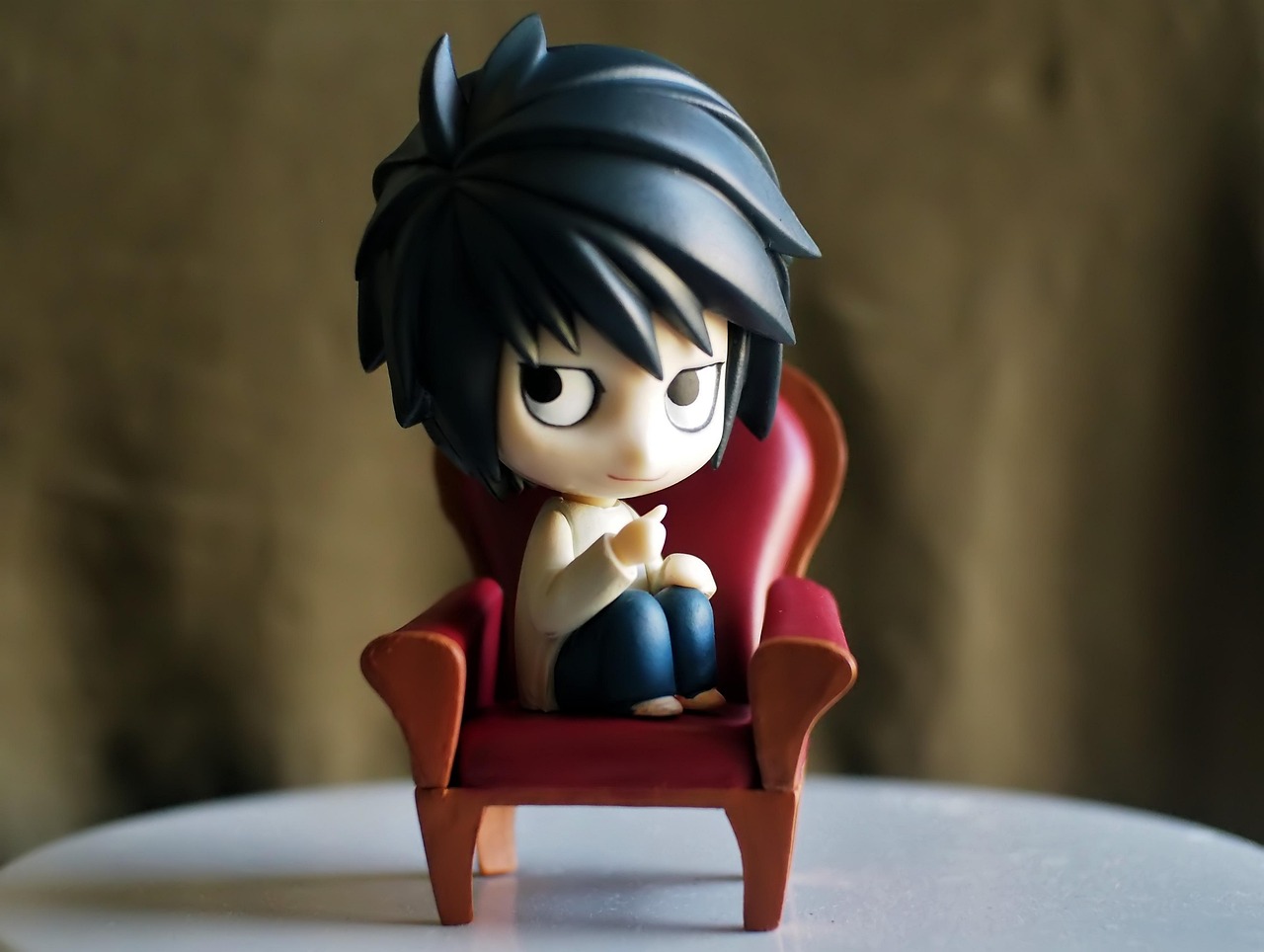
For collectors, anime figures are more than just items on a shelf. They are a connection to the stories and characters they love. Each figure is a testament to the artistry and craftsmanship that goes into creating these miniature works of art.
Collectors often look for figures that not only capture the character’s likeness but also evoke emotions and memories associated with the anime. Limited editions, exclusive releases, and figures with unique poses or details are highly sought after, adding a competitive edge to collecting.
Takeaways
The process of creating anime figure models is a complex and intricate journey that combines artistry, technology, and craftsmanship. From the initial concept sketches to the final painted figure, each step requires precision and a deep understanding of both the character and the materials used. As the industry continues to evolve, we can expect even more impressive innovations that will further enhance the art of anime figure modeling.
Whether you’re a seasoned collector or a casual fan, understanding the process behind these figures can deepen your appreciation for the artistry and effort that goes into each piece. As these miniature sculptures continue to capture the hearts of anime enthusiasts worldwide, their creation remains a testament to the enduring appeal and cultural significance of anime and manga.
Environmental Considerations in Anime Figure Production
As the demand for anime figures grows, so does the need for sustainable practices in their production. In recent years, many manufacturers have started to prioritize environmentally friendly methods and materials. This shift is critical not only for reducing the industry’s carbon footprint but also for meeting the expectations of eco-conscious consumers.
Manufacturers are exploring alternatives to traditional PVC, such as biodegradable plastics and recycled materials. These innovations aim to minimize the environmental impact of figure production without compromising quality. Additionally, some companies are adopting more efficient production processes that reduce waste and energy consumption.
Packaging is another area where environmental considerations come into play. Companies are moving towards using recyclable and minimal packaging to reduce waste. By designing packaging that protects the figure while also being eco-friendly, manufacturers can appeal to a broader audience that values sustainability.
The Future of Anime Figure Models
The anime figure industry is poised for continued growth, driven by technological advancements and the ever-expanding global fan base of anime and manga. As technology evolves, we can expect to see even more detailed and dynamic figures that push the boundaries of what’s possible in miniature sculpting.
One exciting development is the integration of augmented reality (AR) and other digital technologies with physical figures. This could allow collectors to interact with their figures in new and innovative ways, such as accessing additional content or animations through smartphone apps.
Moreover, the rise of customizable figures is gaining traction. Fans can look forward to figures that offer interchangeable parts or customizable features, allowing them to personalize their collections. Such innovations not only enhance the collector’s experience but also foster a deeper connection between fans and their favorite characters.
Community and Culture
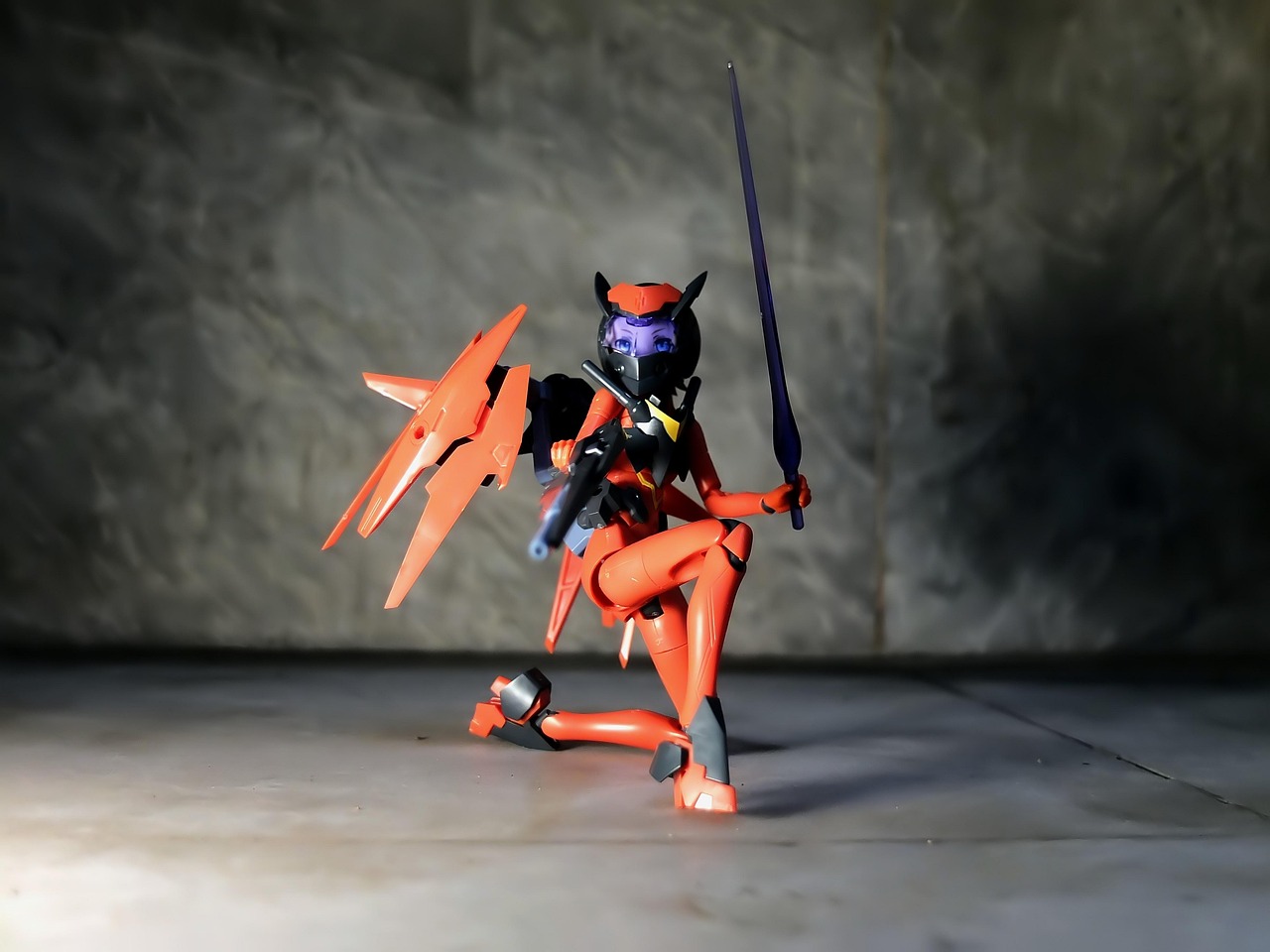
The community aspect of anime figure collecting cannot be understated. Collectors often come together through online forums, social media groups, and conventions to share their passion and showcase their collections. This sense of community fosters a culture of appreciation and creativity, where fans can exchange tips, trade figures, and even collaborate on custom designs.
Conventions and expos dedicated to anime and figures, such as Wonder Festival in Japan, serve as vital hubs for enthusiasts. These events offer collectors a chance to see new releases firsthand, meet creators, and participate in workshops. They also provide a platform for independent artists to showcase their work and gain recognition within the community.
Takeaways
The world of anime figure models is a testament to the artistry and dedication of those who bring beloved characters to life. From the initial concept to the final product, each figure is a result of meticulous craftsmanship and technological innovation. As the industry continues to evolve, it remains grounded in a tradition of creativity and passion that resonates with fans worldwide.
Whether you are a seasoned collector or new to the hobby, understanding the intricate process behind these figures enriches the experience and appreciation for this unique art form. As we look to the future, the potential for innovation and sustainability in anime figure production promises to captivate and inspire the next generation of collectors and creators alike.



Leave a Reply