
The Role of Game Figures in Popular Culture
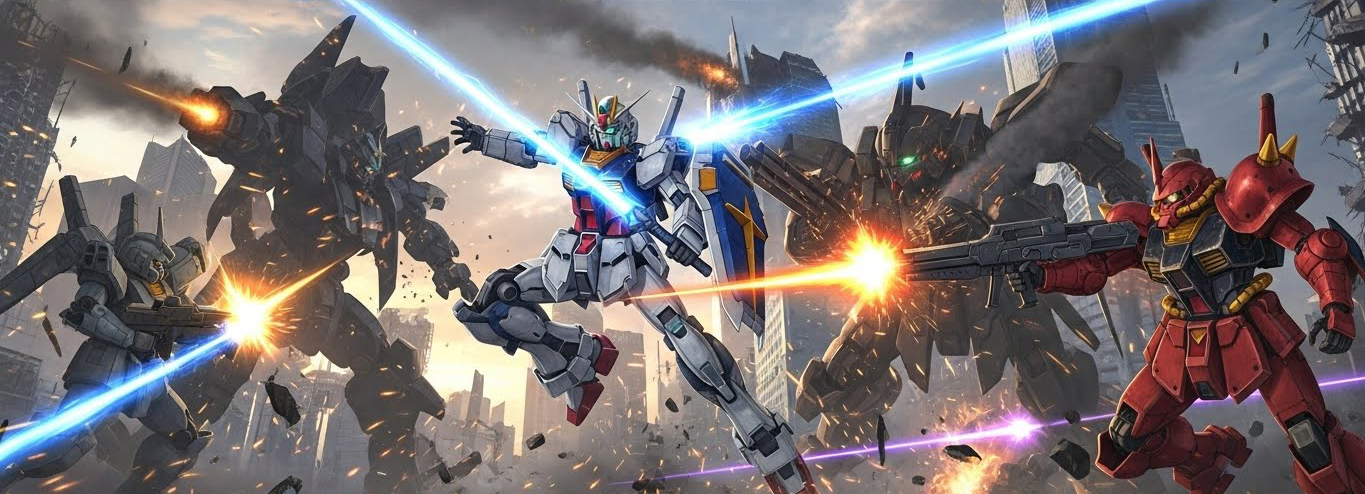
In the vast landscape of popular culture, game figures occupy a unique and influential position. These miniature representations of beloved characters and creatures from various games transcend the boundaries of mere collectibles, becoming symbols of fandom, creativity, and nostalgia. From their early origins to their current status as cultural icons, game figures have woven themselves into the fabric of our everyday lives. This article delves deep into the intricate world of game figures, exploring their history, impact on popular culture, and why they hold such a cherished place in the hearts of fans worldwide.
Historical Background of Game Figures
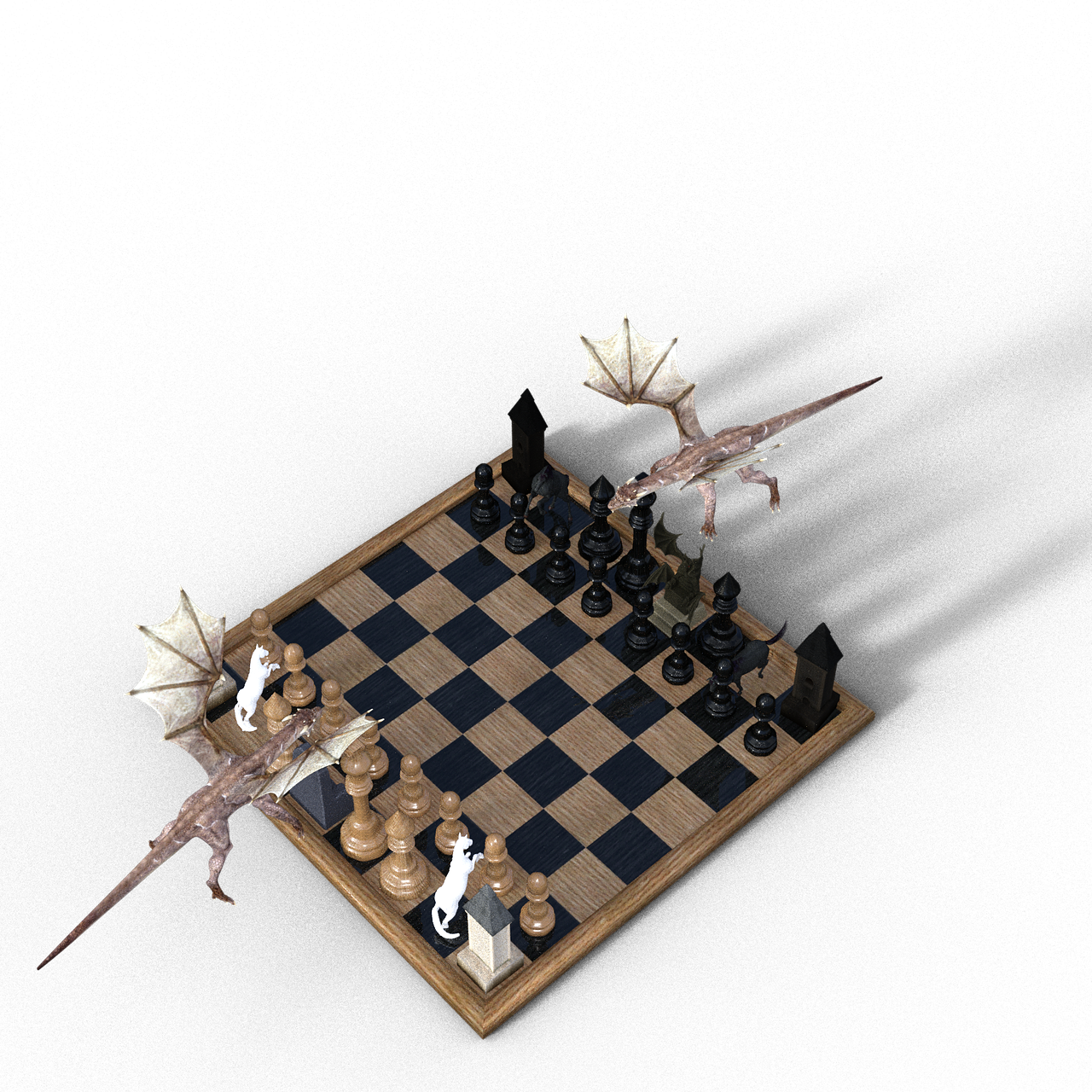
The roots of game figures can be traced back to the early days of tabletop gaming. In the late 1970s and early 1980s, games like Dungeons & Dragons introduced detailed miniature figures to represent characters within their fantasy worlds. These miniatures allowed players to visualize their characters and battles, enhancing the gaming experience and paving the way for a new form of interactive storytelling.
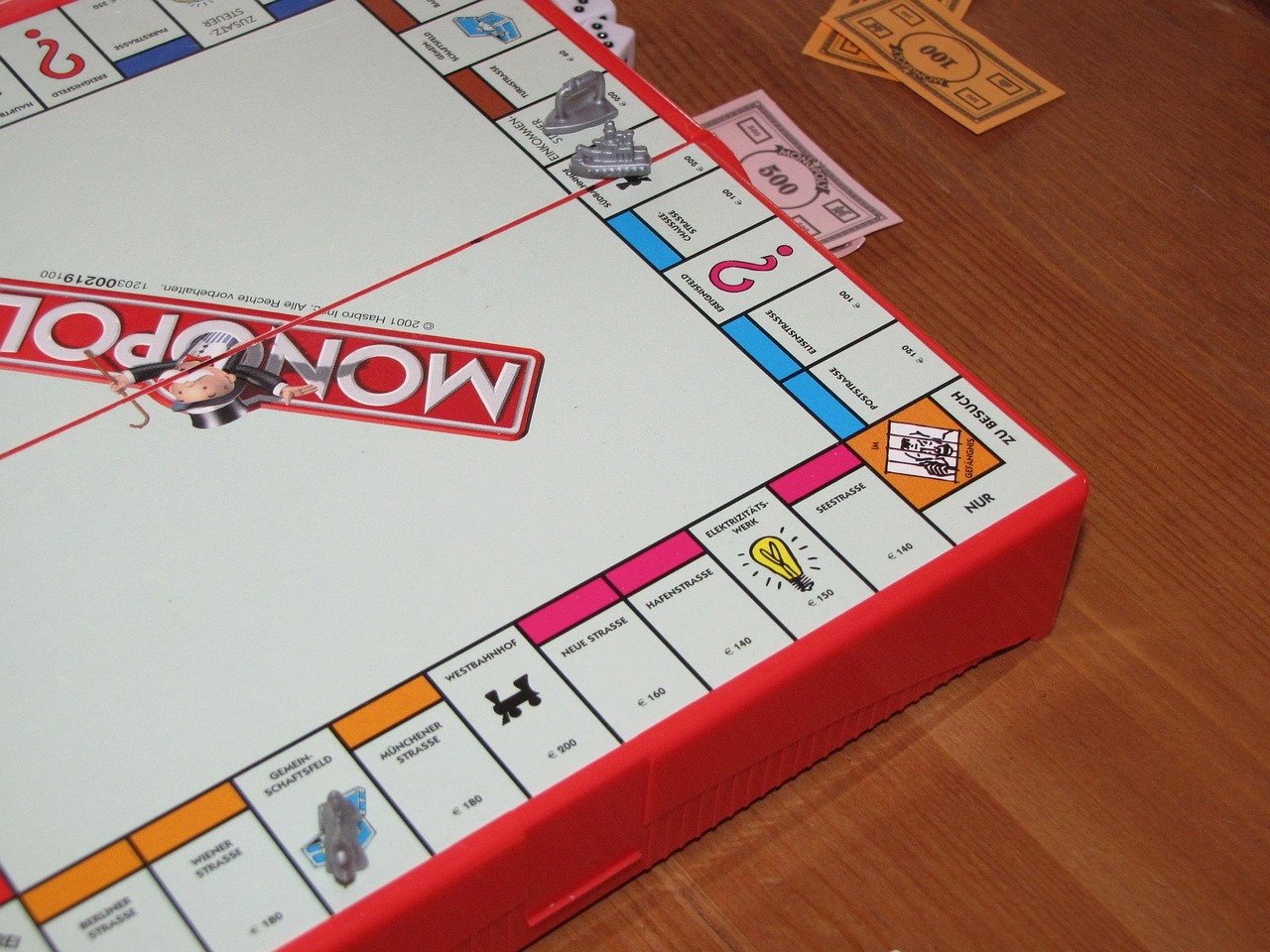
As video games gained popularity, the demand for physical representations of digital characters grew. Companies like Nintendo and Sega capitalized on this trend, creating action figures and merchandise based on their iconic franchises. The 1980s and 1990s saw a surge in the production of game figures, with series like Super Mario, Sonic the Hedgehog, and The Legend of Zelda becoming household names.
The Evolution of Game Figures
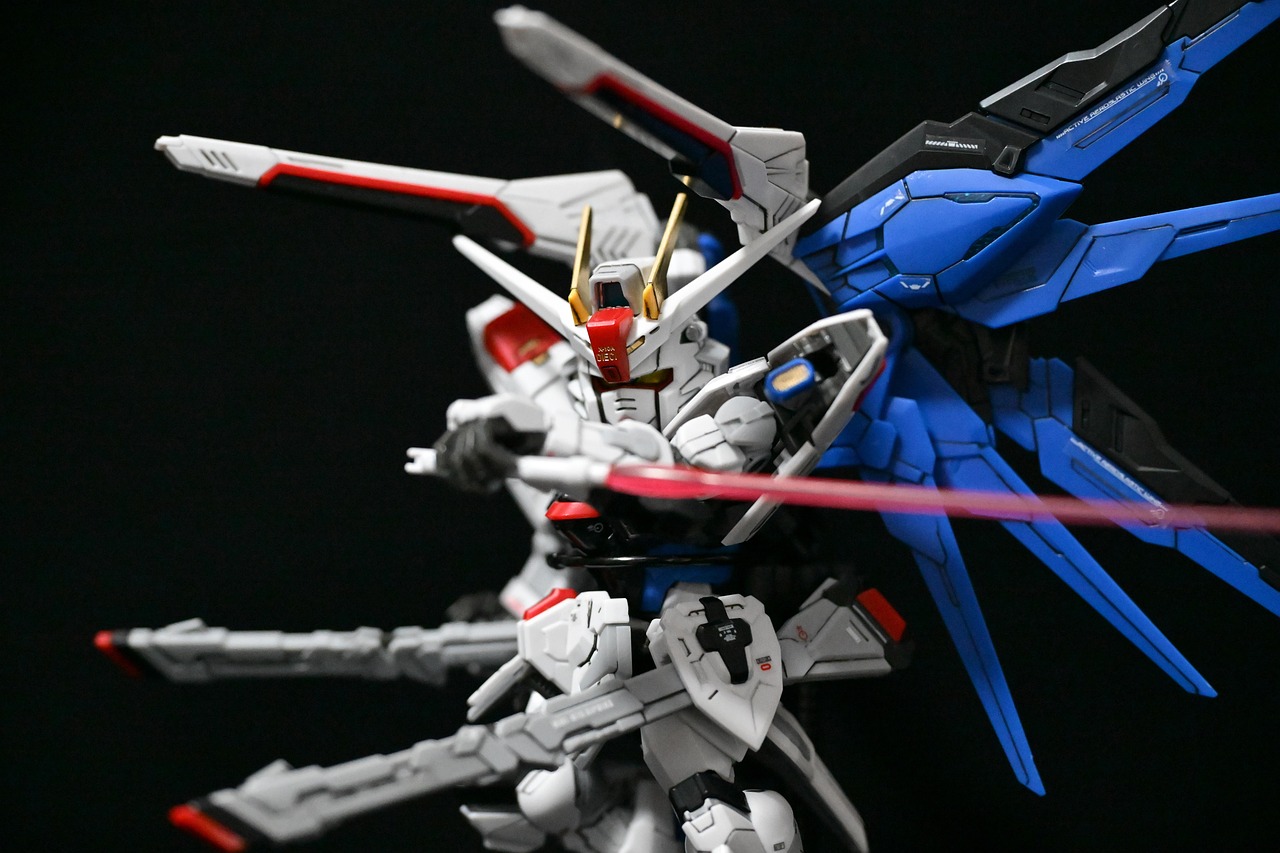
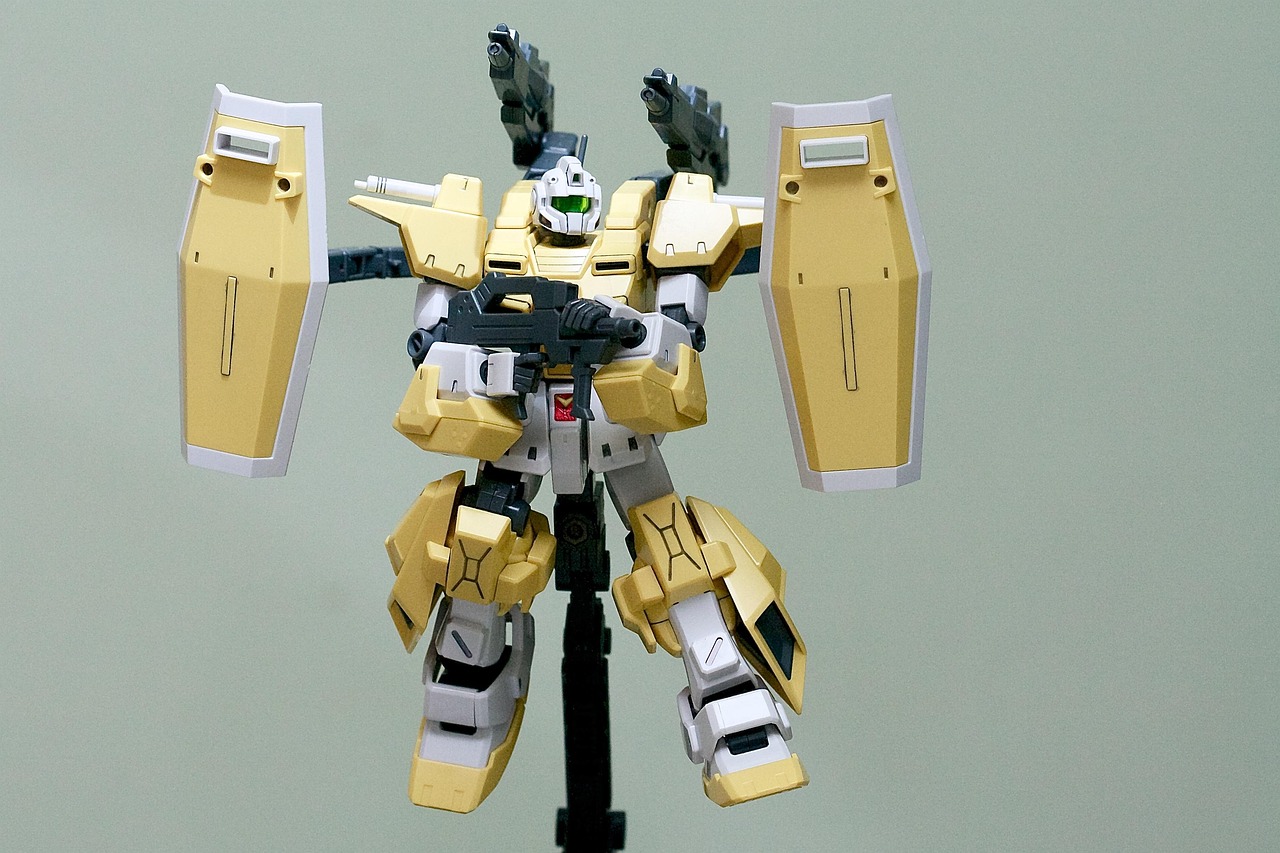
Over the years, game figures have evolved significantly in terms of design, detail, and functionality. Early figures were often basic and lacked articulation, but advancements in technology and manufacturing have led to highly detailed and poseable models. Modern game figures are crafted with meticulous attention to detail, capturing every nuance of the characters they represent.
One of the most significant advancements in the game figure industry is the integration of technology. Companies like Disney with their Disney Infinity series introduced figures equipped with NFC chips, allowing players to bring their physical figures into the digital gaming world. This fusion of physical and digital play has not only enhanced the gaming experience but also opened up new possibilities for interactive storytelling.
Game Figures as Collectibles
Game figures have become highly sought-after collectibles, with enthusiasts around the world dedicating time and resources to building their collections. The appeal of collecting game figures lies not only in their aesthetic value but also in their connection to cherished memories and experiences. For many fans, each figure represents a piece of their gaming history, a tangible reminder of the adventures and stories they have shared with these characters.
The collectible aspect of game figures has also given rise to a thriving secondary market. Limited edition releases, rare variants, and exclusive figures often fetch high prices among collectors. This demand for rare and unique pieces has transformed game figure collecting into a competitive and passionate hobby, with dedicated communities and conventions celebrating this shared interest.
Impact on Popular Culture
Game figures have left an indelible mark on popular culture, influencing various aspects of media, fashion, and entertainment. Their impact can be seen in the way they have inspired artists, designers, and creators across different fields. The aesthetic and thematic elements of game figures often find their way into art, music, and fashion, blurring the lines between gaming and mainstream culture.
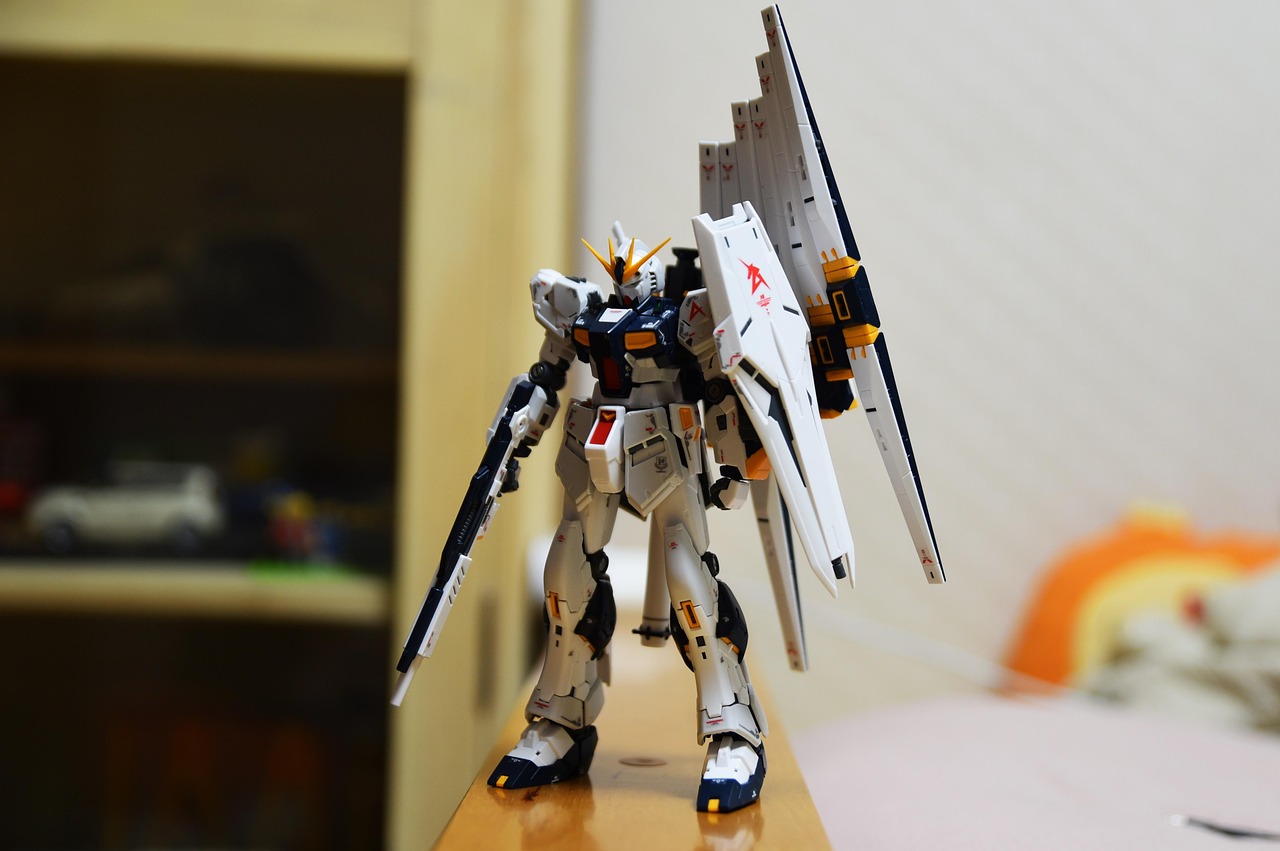
Furthermore, game figures have become powerful symbols of fandom and identity. They serve as a means for fans to express their love and admiration for their favorite games and characters. Whether displayed on shelves, incorporated into cosplay, or used in creative photography, game figures allow fans to engage with the gaming world in a tangible and personal way.
Game Figures in Media and Entertainment

The influence of game figures extends beyond their physical form, permeating various forms of media and entertainment. Films, television shows, and even literature have drawn inspiration from game figures, incorporating them into their narratives and aesthetics. The success of franchises like Pokémon and Transformers, both of which began as game figures, is a testament to the enduring appeal and versatility of these creations.
Additionally, game figures play a crucial role in marketing and branding strategies for game developers and publishers. Limited edition releases and collaborations with popular franchises create buzz and anticipation, driving sales and engagement. This symbiotic relationship between game figures and the broader entertainment industry highlights their significance as both cultural icons and commercial assets.
The Future of Game Figures
As technology continues to advance, the future of game figures looks promising. Innovations in 3D printing and augmented reality could revolutionize the way we create and interact with game figures. Imagine being able to customize and print your own figures at home or use augmented reality to bring them to life in your living room.
Furthermore, the growing trend of sustainability and eco-consciousness is likely to influence the production of game figures. Companies are increasingly exploring environmentally friendly materials and manufacturing processes, ensuring that the future of game figures aligns with the values of a more conscious consumer base.
Takeaways
Game figures have come a long way from their humble beginnings as tabletop miniatures. They have evolved into complex, highly detailed representations of beloved characters that hold a special place in popular culture. Whether as collectibles, symbols of fandom, or sources of inspiration, game figures continue to captivate and engage audiences worldwide.

Their role in popular culture is multifaceted, influencing everything from fashion and art to marketing and media. As technology and consumer preferences evolve, so too will the world of game figures, ensuring their continued relevance and appeal in the years to come. As we look to the future, it is clear that game figures will remain a beloved and integral part of our cultural landscape.
The Cultural Significance of Game Figures
Game figures hold a significant place in our cultural narrative, serving as a bridge between the digital and physical worlds. They embody the stories, challenges, and triumphs that players experience in their gaming journeys, making them more than just objects of play. By owning a game figure, fans are not just collecting a piece of plastic; they are affirming their connection to a broader community of enthusiasts who share similar passions and interests.
Moreover, game figures often serve as educational tools, providing insight into character design, storytelling, and the evolution of gaming technology. As more people recognize the artistic and technical achievements inherent in these figures, they are increasingly viewed as legitimate art forms. This shift in perception is opening up new avenues for academic study and appreciation within the fields of art and cultural studies.
Game Figures and Social Interaction
Game figures have also played a pivotal role in fostering social interaction and community building. Events such as conventions and meetups dedicated to game figure enthusiasts are held worldwide, offering fans opportunities to connect with like-minded individuals. These gatherings often feature workshops, panel discussions, and trading sessions, creating environments where enthusiasts can share their knowledge and passion.
Social media platforms have further amplified the social aspect of game figure collecting, providing spaces for fans to showcase their collections, discuss new releases, and exchange tips and stories. Online communities and forums dedicated to game figures have sprung up, facilitating conversations that transcend geographic boundaries and bring together a diverse array of voices and perspectives.
The Role of Game Figures in Consumer Culture
In the context of consumer culture, game figures exemplify the intersection of entertainment and commerce. They are not just products but also experiences that consumers engage with on multiple levels. The design, marketing, and retailing of game figures are deeply intertwined with consumer trends, often reflecting broader shifts in public tastes and interests.
For instance, the rise of nostalgia in consumer culture has led to a resurgence of interest in retro game figures, as adults seek to recapture the magic of their childhood gaming experiences. This nostalgia-driven market has prompted companies to re-release classic figures and create new lines that pay homage to iconic gaming eras. These strategies not only cater to existing fans but also introduce new generations to the rich history of gaming culture.
Game Figures as Art and Innovation
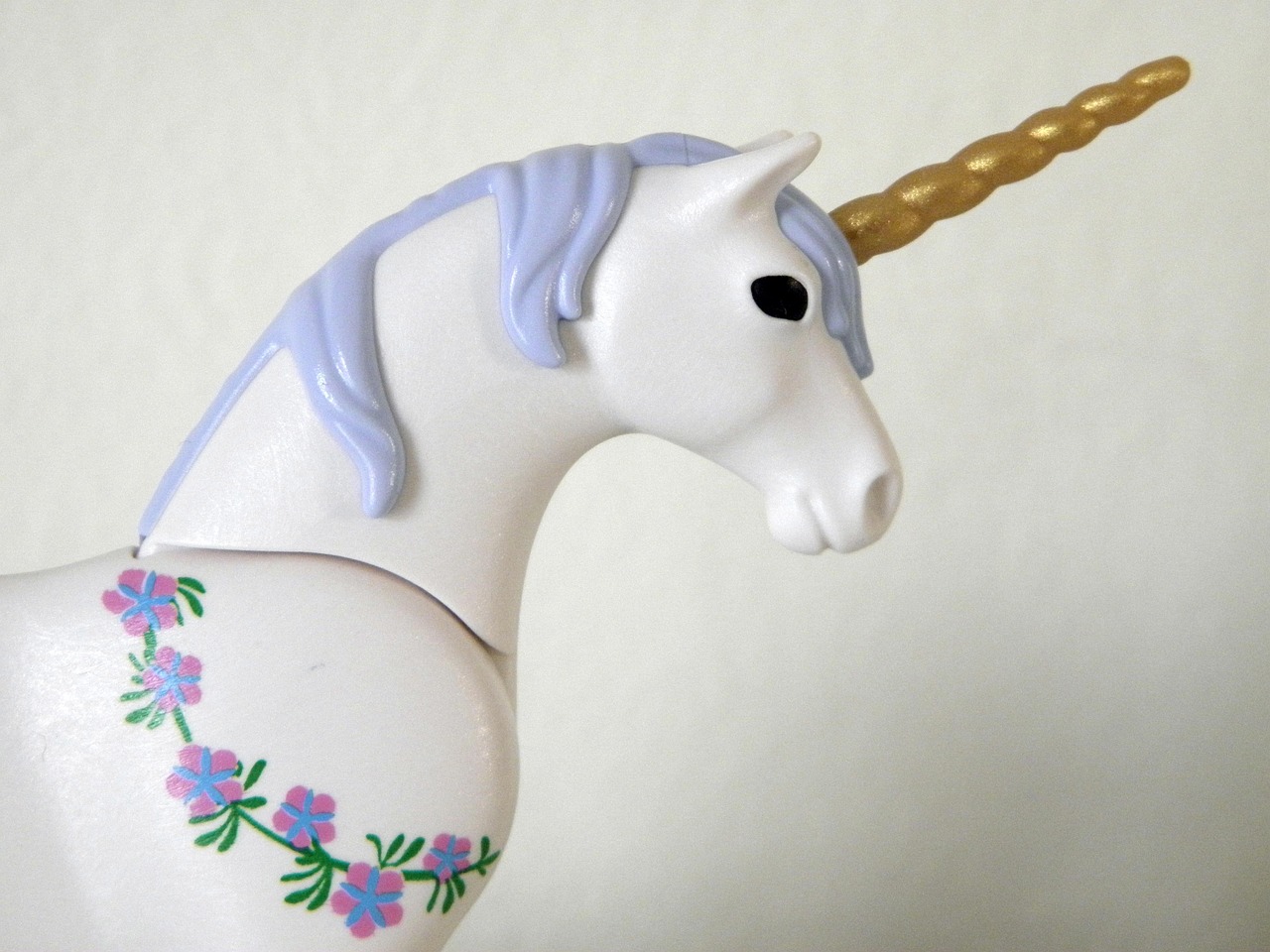
The artistry involved in creating game figures is a testament to the skill and creativity of designers and sculptors. Each figure is a work of art, meticulously crafted to capture the essence of the character it represents. From the intricate details of costumes and facial expressions to the dynamic poses that convey action and emotion, game figures are a celebration of artistic innovation.
Collaborations between game developers and renowned artists have further elevated the status of game figures as art. Limited edition releases featuring unique designs and reinterpretations by famous artists have become highly coveted items, blurring the lines between commercial products and collectible art pieces. This trend highlights the growing recognition of game figures as legitimate forms of artistic expression.
Game Figures and Technological Advancements
Technological advancements have continually shaped the development of game figures, increasing their appeal and functionality. The incorporation of augmented reality (AR) and virtual reality (VR) technologies into game figures offers exciting possibilities for interactive play. By integrating AR and VR, fans can bring their figures to life in immersive environments, creating new dimensions of engagement and storytelling.
Furthermore, 3D printing technology is revolutionizing the way game figures are produced and customized. Enthusiasts can now create personalized figures with bespoke designs, enhancing the uniqueness and personal value of their collections. As these technologies become more accessible, the customization and personalization of game figures are likely to become an integral part of the collecting experience.
A Global Phenomenon
Game figures have achieved global popularity, resonating with fans from diverse cultural backgrounds. Their universal appeal lies in the shared language of gaming, which transcends linguistic and cultural barriers. As a result, game figures serve as a common thread that unites people worldwide, fostering cross-cultural exchanges and understanding.
This global phenomenon is evident in the widespread adoption of game figures in various regions, each interpreting and celebrating them in unique ways. For example, the Japanese market has a rich tradition of high-quality, intricately designed figures, while Western markets often emphasize articulation and playability. These regional variations highlight the adaptability and versatility of game figures as cultural artifacts.
Conclusion: The Lasting Legacy of Game Figures
As we reflect on the role of game figures in popular culture, it is clear that their significance extends far beyond their physical form. They are conduits of creativity, nostalgia, and community, embodying the essence of gaming and its impact on our lives. Whether cherished as collectibles, admired as art, or enjoyed as interactive playthings, game figures continue to inspire and captivate audiences around the world.
The enduring appeal of game figures is a testament to their ability to adapt and evolve alongside changing cultural and technological landscapes. As we look to the future, one thing remains certain: game figures will continue to be cherished as cultural icons, serving as a timeless testament to the power of gaming to bring people together and inspire generations.







Leave a Reply